If you’re shopping for auto insurance or buying a vehicle for the first time, understanding what actually makes up an auto insurance policy is essential. Not all policies are the same, and not all insurers evaluate risk the same way. Knowing how coverage types work, and which ones matter most, helps you avoid overpaying while staying properly protected.
Below are the core components found in most auto insurance policies. Some are legally required depending on your state, while others are optional but often recommended.
Auto Liability Coverage
Liability coverage is the foundation of any auto insurance policy and is required in most states. It covers damage or injuries you cause to others in an accident where you are at fault.
There are two parts:
- Bodily Injury Liability
Covers medical expenses, lost wages, and legal costs if another person is injured because of an accident you caused. - Property Damage Liability
Pays for repairs or replacement if you damage someone else’s vehicle or property.
State minimums vary, but minimum coverage may not be enough in a serious accident. Higher limits provide better financial protection.
Uninsured and Underinsured Motorist Coverage
Not every driver carries sufficient insurance. According to the Insurance Information Institute, this coverage reimburses the policyholder or a family member if they are hit by an uninsured or hit-and-run driver, and it extends to underinsured situations as well.
It can help pay for:
- Medical bills
- Vehicle repairs
- Related expenses after a qualifying accident
Some states require this coverage, while others make it optional. In areas with high uninsured driver rates, it can be especially valuable.
Comprehensive Coverage
Comprehensive coverage protects your vehicle from non-collision damage, including:
- Theft
- Fire
- Vandalism
- Hail or storm damage
- Falling objects
- Animal strikes
If your car is damaged or stolen due to a covered event, comprehensive coverage helps pay for repairs or replacement, minus your deductible.
This coverage is optional in most states, but lenders typically require it if your vehicle is financed or leased.
Collision Coverage
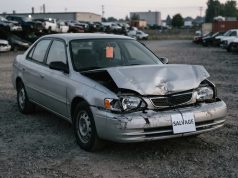
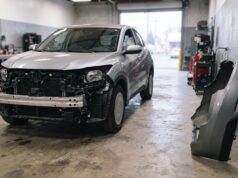
Collision coverage pays for damage to your vehicle after an accident involving another car or a stationary object, regardless of fault.
Examples include:
- Collisions with other vehicles
- Single-vehicle accidents
- Hitting guardrails, poles, or mailboxes
Like comprehensive coverage, collision includes a deductible and is often required by lenders for financed or leased vehicles.
Personal Injury Protection (PIP)
Personal Injury Protection is available in certain states and is required in some no-fault insurance systems. The Insurance Information Institute notes that at its broadest, PIP can cover medical payments, lost wages, and the cost of replacing services normally performed by someone injured in the accident.
PIP may also cover:
- Lost income
- Childcare expenses
- Rehabilitation costs
This coverage can be especially helpful if you don’t have strong health insurance.
Medical Payments Coverage
Medical payments coverage helps pay for medical expenses for you and your passengers after an accident, regardless of fault.
Covered costs may include:
- Emergency room visits
- Hospital stays
- X-rays and surgery
- Follow-up care
This coverage is optional in many states but can provide added peace of mind, particularly for households without comprehensive health coverage.
Optional Auto Insurance Add-Ons
Beyond core coverages, insurers often offer optional add-ons, such as:
- Rental or transportation reimbursement
- Roadside assistance and towing
- New car replacement coverage
- Rideshare insurance
- Classic or specialty vehicle coverage
- Custom equipment or sound system protection
These options increase protection but also raise premiums. The key is choosing coverage that fits your vehicle, driving habits, and financial comfort level.
Finding the Right Balance
More coverage provides more protection, but it also costs more. The goal is not maximum coverage. It is appropriate coverage.
Understanding what each part of an auto insurance policy does helps you make informed decisions, compare quotes accurately, and avoid paying for coverage you don’t need.
Ready to Review Your Coverage?
Auto insurance needs can change over time. Reviewing your policy can help ensure your coverage still matches your vehicle, driving habits, and financial situation.