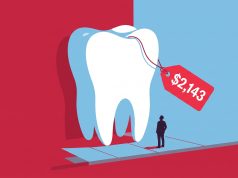
A 68-year-old retired teacher in Tampa walked into her dentist’s office for a cracked molar, left with a $4,280 estimate for a crown and root canal, and called Medicare to file a claim only to be told Original Medicare does not cover dental work, period. She had been on Parts A and B for three years, paying her $174.70 Part B premium plus a Plan G Medigap policy. She assumed “medical” included teeth and eyes because it always had under her teacher’s union plan. It did not. She paid the $4,280 out of pocket, then added a $580-a-year standalone dental policy, and paid another $2,100 six months later when the tooth next to it cracked, because the new dental policy had a 12-month waiting period on major services. Total damage in a single year: roughly $6,400, most of which could have been avoided had she enrolled in a Medicare Advantage plan with a dental benefit during her initial enrollment window.
Medicare Is Not One Program
Medicare is four programs pretending to be one. Part A covers hospital stays, skilled nursing after a qualifying hospital admission, and some home health. Part B covers outpatient medical care, doctor visits, outpatient surgery, preventive screenings, and durable medical equipment. Part D covers prescription drugs and is sold through private insurers. Medicare Advantage, sometimes called Part C, is a private alternative that bundles A, B, and usually D, often with extras like dental and vision. Medigap, also called Medicare Supplement, fills the cost-sharing gaps in Original Medicare but does not add new benefit categories.
Original Medicare, meaning Parts A and B, is the default most people land on when they turn 65 and don’t make a choice. It was designed in 1965 to cover medical services then considered “serious” care. Dental, vision, and hearing were classified as lifestyle or cosmetic care and carved out. That carve-out is still in effect today. The dental exclusion is written directly into federal law, and it is not absolute: six narrow exceptions exist for dental care tied to a covered medical procedure, like a transplant workup or cancer treatment, plus what a Medicare Advantage dental allowance actually covers against a real implant bill. Medigap does not change the categories Original Medicare covers; it only pays the deductibles and coinsurance on the categories Medicare already covers. Adding Medigap to Original Medicare does not buy you dental or vision coverage. It just reduces what you owe on the coverage you already have.
Retirees coming off employer plans almost always assume Medicare works the way their old plan worked, and almost always discover the categories are narrower the first time they try to file a claim for a service the old plan used to cover.
What Original Medicare Actually Excludes
The list of services Original Medicare does not cover is short, specific, and expensive if you need any of them. Routine dental care, including cleanings, fillings, extractions, crowns, root canals, dentures, and bridges, is excluded. Routine vision care, including eye exams for glasses, glasses themselves (except the one pair immediately after cataract surgery), and contacts, is excluded. Hearing aids and the exams to fit them are excluded. Routine foot care is excluded, except for medically necessary procedures related to a covered condition, such as diabetes. Long-term custodial care, meaning help with bathing, dressing, and eating at home or in a nursing facility, is excluded. Acupuncture is mostly excluded, with a narrow carve-in for chronic low back pain. Cosmetic surgery is excluded. Care received outside the United States is excluded, with rare exceptions.
Most of those exclusions hit retirees in predictable places. Teeth crack. Vision declines. Hearing fades. A knee or hip finally needs help at home. Every one of those events lands in an excluded category, and every one of them lands on the retiree’s checkbook unless a different plan is doing the work. The teacher in Tampa hit the first one. The average retiree hits at least two before their mid-70s.
Three Ways to Close the Gap
There are three ways to cover the dental, vision, and hearing gap, and they are not equally good for everyone.
Medicare Advantage plans bundle Parts A and B with Part D, and the competitive ones now include dental, vision, and hearing benefits at no additional premium beyond the standard Part B premium. These benefits are real but usually capped. A typical Advantage dental benefit covers $1,000 to $2,500 per year for major services after a preventive allowance, and vision benefits usually pay for one exam plus a $150 to $250 eyewear allowance per year. For routine maintenance and moderate needs, this is usually enough. For heavier needs, like multiple crowns or implants, the caps run out fast.
Standalone dental, vision, and hearing policies are sold separately by Delta, Cigna, Humana, and others, and they stack cleanly on top of Original Medicare or Medicare Advantage. Premiums range from $25 to $65 per month, depending on the category and carrier, and the policies typically have waiting periods of 6 to 12 months for major services. That waiting period is why standalone coverage must be purchased before you need it, not during the crown consult. A standalone plan bought the week of a cracked tooth covers nothing useful for a year.
The third option is cash-pay, often combined with dental school clinics, community health centers, and cash-discount plans like those sold by big membership warehouses. For a healthy retiree with few dental needs, this can be the most affordable option. For a retiree with a known set of problems, it is usually the most expensive path once the numbers are tallied, because dental work compounds, and a tooth that should have been crowned at $1,400 gets extracted and replaced at $4,200 when the retiree delays care to stretch dollars.
The Windows That Cost You Money
Medicare enrollment is not a free-flowing choice. It runs on windows, and missing them triggers penalties that follow you for life.
Your Initial Enrollment Period is the seven-month window around your 65th birthday, three months before, the month of, and three months after. This is a good time to choose Original Medicare plus a Medigap policy or a Medicare Advantage plan with dental, vision, and hearing benefits. Miss this window without qualifying for a Special Enrollment Period, and your Part B premium can be permanently increased by 10 percent for every 12 months you were eligible and did not enroll.
The Annual Election Period runs from October 15 through December 7 each year. This is when you can switch between Original Medicare and Medicare Advantage, or change Advantage plans, or add a Part D prescription plan. Changes take effect January 1. Many retirees who chose Original Medicare plus Medigap at 65 find themselves missing dental and vision benefits three years in, and this is the window to switch to an Advantage plan that covers them. The reverse move, from Advantage back to Original Medicare plus Medigap, is legally allowed but medically underwritten after your Initial Enrollment Period in most states, which means you may be denied Medigap coverage based on your health.
The Special Enrollment Periods cover qualifying life events like losing employer coverage, moving out of your plan’s service area, or your plan losing its Medicare contract. These windows are narrower, typically 60 days, and require documentation.
Questions to Ask Before You Enroll or Switch
- Does my current plan cover routine dental, vision, and hearing, and if so, what are the annual caps on each?
- If I switch from Medicare Advantage back to Original Medicare plus Medigap, can my Medigap policy be medically underwritten in my state?
- What is the waiting period on major services under a standalone dental policy I am considering?
- Have I enrolled in Part D, and if not, am I accumulating a late enrollment penalty?
- When is my next Annual Election Period or Special Enrollment Period, and what changes am I allowed to make?
If you want a deeper explanation of how the parts fit together, the beginner’s guide to what Medicare covers is the right next read. If you are weighing Advantage against Medigap, the Advantage vs Medigap breakdown spells out the trade-offs in plain language.
The Real Cost of the Myth
The Tampa teacher’s first year on Medicare cost her $6,400 out of pocket for dental alone, plus her Part B and Medigap premiums. She switched to a Medicare Advantage plan with a $2,500 annual dental cap during the next Annual Election Period and paid $0 in monthly plan premium, which is the trade most retirees make once the dental math becomes real. If you are turning 65 in the next six months, or you are already on Original Medicare and have not checked your dental, vision, and hearing coverage, this is the week to do it, not the week the crown breaks.
Is your Medicare plan actually covering your teeth, eyes, and ears?
A single cracked tooth cost this retiree $4,280 in a category Medicare does not cover. Compare Medicare plans with real dental and vision benefits.
Compare Medicare Plans →