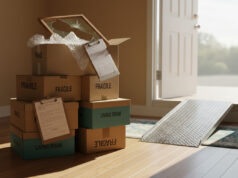
Renting a home or apartment offers flexibility, convenience, and fewer maintenance responsibilities. But it does not remove the financial risks that come with everyday life. That is where renters insurance comes in. It is a simple, affordable policy designed to protect your belongings and shield you from unexpected expenses.
Whether you rent a small city apartment or a family home in the suburbs, understanding renters insurance helps you avoid costly surprises. This guide explains what renters insurance covers, what it does not, and why it plays an important role in your financial safety net.
What Is Renters Insurance?
Renters insurance is a type of property insurance created specifically for tenants. It protects your personal belongings from damage or theft and provides liability coverage if someone is injured in your rental or if you accidentally damage someone else’s property.
Unlike homeowners insurance, renters insurance does not cover the building itself. That responsibility belongs to the landlord. Your policy focuses on what you own inside the space, including furniture, electronics, clothing, appliances, and other personal items.
What Does Renters Insurance Cover?
Most renters insurance policies include three core types of protection.
Personal Property Coverage
This covers the cost to repair or replace your belongings if they are damaged or stolen due to covered events such as:
- Fire and smoke
- Theft and vandalism
- Water damage from burst pipes
- Windstorms or hail
- Certain natural disasters
Coverage often extends to items temporarily outside your home, such as belongings in your car or luggage while traveling.
Liability Coverage
Liability protection helps cover medical bills, legal costs, and settlements if:
- A guest is injured in your rental
- You accidentally damage someone else’s property
- Damage spreads from your unit to another (such as a kitchen fire)
This is especially important in shared buildings where accidents can affect neighbors.
Additional Living Expenses (ALE)
If your rental becomes uninhabitable due to a covered event, ALE helps pay for:
- Temporary housing
- Meals
- Other necessary living costs during repairs
What Renters Insurance Does Not Cover
Renters insurance has limits, and understanding them prevents frustration later.
It typically does not cover:
- Structural damage to the building
- Floods or earthquakes (separate policies required)
- Pest infestations
- Intentional damage or gross negligence
- High-value items beyond policy limits without added riders
- Business equipment used for work-from-home income
Why Do You Need Renters Insurance?
Many renters assume their landlord’s policy protects them. It does not.
Here’s why renters insurance is worth having:
- Protection against loss: Replacing furniture, electronics, and clothing after a fire or theft can be financially overwhelming.
- Liability protection: Accidents happen, and liability coverage protects you from lawsuits and medical bills.
- Affordability: Renters insurance is one of the least expensive insurance products available.
- Peace of mind: Coverage helps you recover faster after unexpected events.
- Lease requirements: Many landlords now require renters insurance as part of the rental agreement.
How to Choose the Right Policy
Before buying a policy:
- Inventory your belongings and estimate replacement value
- Choose coverage limits that match what you own
- Decide between replacement cost vs. actual cash value
- Select a deductible that fits your budget
- Review exclusions and consider riders for valuables or natural disasters
- Compare quotes from multiple insurers
A well-matched policy balances affordability with meaningful protection.
Final Takeaway
Renters insurance is not just a box to check. It is a practical, low-cost way to protect your lifestyle and financial stability. Whether you are a student, young professional, or long-term renter, having coverage means you do not have to start over when something goes wrong.
Preparation beats panic. Renters insurance gives you confidence knowing that your belongings, and your finances, are protected.
Want to make sure your renters insurance actually fits your needs? Taking a few minutes to compare coverage options can help you confirm your limits, deductibles, and protections before something goes wrong.