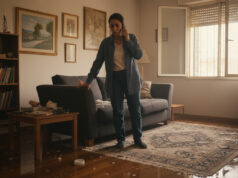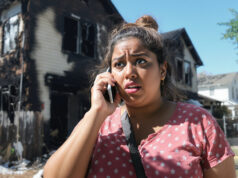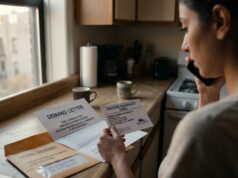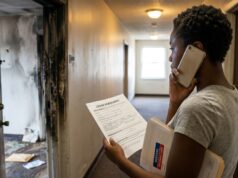
Sofia Hernandez had been home for forty minutes when the upstairs unit’s water heater split a seam and ten gallons a minute started cascading through her ceiling. By midnight she was checked into an extended-stay hotel three blocks away with two suitcases. Three weeks and $2,847 later, she discovered her renters policy had paid almost all of it through a part of the policy she had never read: loss of use coverage.
Most renters know their policy covers stolen laptops and damaged furniture. Far fewer know there is a third bucket of coverage, sometimes called additional living expense or ALE, that funds hotels, meals out, pet boarding, laundromats, and storage when the apartment is unlivable. The coverage exists in nearly every standard renters policy, but the cap and rules vary widely between carriers.
How the limit is set
ALE limits are typically expressed as a percentage of the personal property coverage limit. A policy with $30,000 in personal property and a 30 percent ALE limit would pay up to $9,000 in displaced living expenses. Common percentages run between 20 and 40 percent, though some carriers offer flat-dollar limits or unlimited ALE for a defined time period (often twelve to twenty-four months).
Read the declarations page for the actual figure. The policy may say “Coverage D, Loss of Use” or list the percentage in the same block as the personal property limit. If the limit is too low for your area, raising it usually adds only a few dollars per month to the premium.
What ALE actually pays
The coverage pays the gap between your normal cost of living and your displaced cost of living. If your rent is $1,800 and the hotel is $140 per night, the policy pays the hotel cost minus what you would have spent on rent for those nights, prorated daily. If your weekly grocery bill is normally $120 and you are now spending $280 on takeout because the hotel has only a microwave, the policy pays the $160 gap, not the full $280.
Common ALE-eligible expenses include:
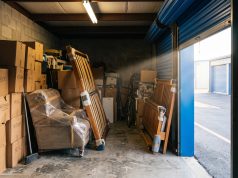
– Hotel, motel, or short-term rental costs above your normal rent – Restaurant and prepared-food costs above your normal grocery spend – Laundromat costs you would not normally incur – Pet boarding when the hotel does not allow pets – Mileage to and from work if your temporary location is farther – Storage unit costs for belongings during repairs – Furniture rental if the temporary unit is unfurnished
The carrier needs receipts for every reimbursement. Keep a separate envelope or phone folder for everything from the moment you leave the apartment.
Time and dollar caps both apply
ALE coverage runs out two ways: when the dollar limit is reached, or when the time limit expires, whichever comes first. Most policies cap the period at twelve or twenty-four months, even if the dollar limit has not been hit. The clock starts the day you leave the unit, not the day repairs begin.
If repairs drag on past the time cap, the gap is on you. This is one of the most common surprises in long fire-rebuild claims. Tenants in apartment buildings that take eighteen months to repair after a major fire have run into ALE time caps even when their dollar limit was not exhausted.
What ALE does not pay
ALE excludes the rent or mortgage you were already paying for the damaged unit. If your lease requires you to keep paying rent during the repair period, that is a question for your landlord and the lease, not the renters policy. Most leases include a clause that suspends rent when the unit is uninhabitable, but a few do not.
The coverage also excludes losses from causes that are not covered perils. Earthquake and flood (from natural sources) are usually excluded from standard renters policies, which means a tenant displaced by a hurricane storm surge or an earthquake would not have ALE coverage unless they had purchased the corresponding endorsement. Government-ordered evacuations not tied to physical damage and willful damage by the tenant are also excluded.
If you are reviewing a current policy or shopping for a new renters insurance quote, check the loss of use limit specifically. It is the part of the coverage most renters never use, and the part that most often falls short when they do. Reading the full claim process for renters insurance before a loss happens makes the receipt and documentation work easier when you are displaced.
Compare renters insurance with strong loss of use coverage
A $2,847 hotel bill after a covered loss should not come out of your savings. See policies with full ALE coverage in your area.
Get Renters QuotesFrequently asked questions
How long does renters insurance pay for a hotel?
Most policies pay for hotel costs up to the loss of use dollar limit or for a maximum time period (typically 12 to 24 months), whichever comes first. The carrier reimburses the gap between your normal rent and your hotel costs, prorated daily.
Do I have to keep paying rent during the repair?
It depends on the lease and state law. Most leases include an inhabitability clause that suspends rent when the unit is unlivable, but the clause language varies. Talk to the landlord in writing within the first 24 hours of the displacement to confirm rent status.
Can I file an ALE claim before all the repair receipts are in?
Yes. Most carriers will pay ALE on a rolling basis as receipts come in. Submit them weekly with a brief summary of expenses and the dates they cover. Waiting until the end risks hitting the time cap before the dollar limit.
What if the hotel does not allow my dog?
Pet boarding fees are usually covered by ALE because they are a direct consequence of the displacement. Save the boarding receipts and submit them with your other ALE expenses.
Does ALE cover lost wages if I cannot work from the displaced location?
No. ALE covers cost-of-living expenses, not income loss. Lost wages are not a renters insurance benefit. Some commercial business interruption policies cover income loss, but personal renters policies do not.