8 min read · Last updated September 30, 2026
- The Business Auto Coverage Form’s hired-auto liability grant only reaches vehicles the business itself leases, hires, rents, or borrows, not a car an employee personally signs a rental contract for.
- The Insurance Services Office (ISO) endorsement that closes this specific gap is CA 20 54, Employee Hired Autos, and it is a different form from CA 99 33, Employees As Insureds, which covers an employee’s own owned car instead.
- Commercial auto renewal rates rose 4.93% in the second quarter of 2026 and 3.58% in the August 2026 monthly print, per the Ivans Index, making it an expensive year to discover a coverage gap by accident.
- Even a hired-auto endorsement that broadens liability coverage does not automatically broaden every other coverage part. A federal court held an injured employee’s uninsured motorist claim failed anyway, leaving him with just the bus company’s own $100,000 policy limit.
The Insurance Services Office endorsement that covers a rental car an employee personally signs for on a business trip is CA 20 54, Employee Hired Autos, a different form from CA 99 33, Employees As Insureds, which only reaches a vehicle the employee already owns.
In this article
- Why the base policy stops at the rental counter
- What CA 20 54 actually does
- CA 20 54 is not CA 99 33
- The gap that survives even after CA 20 54
- What to check before the next business trip
- Frequently asked questions
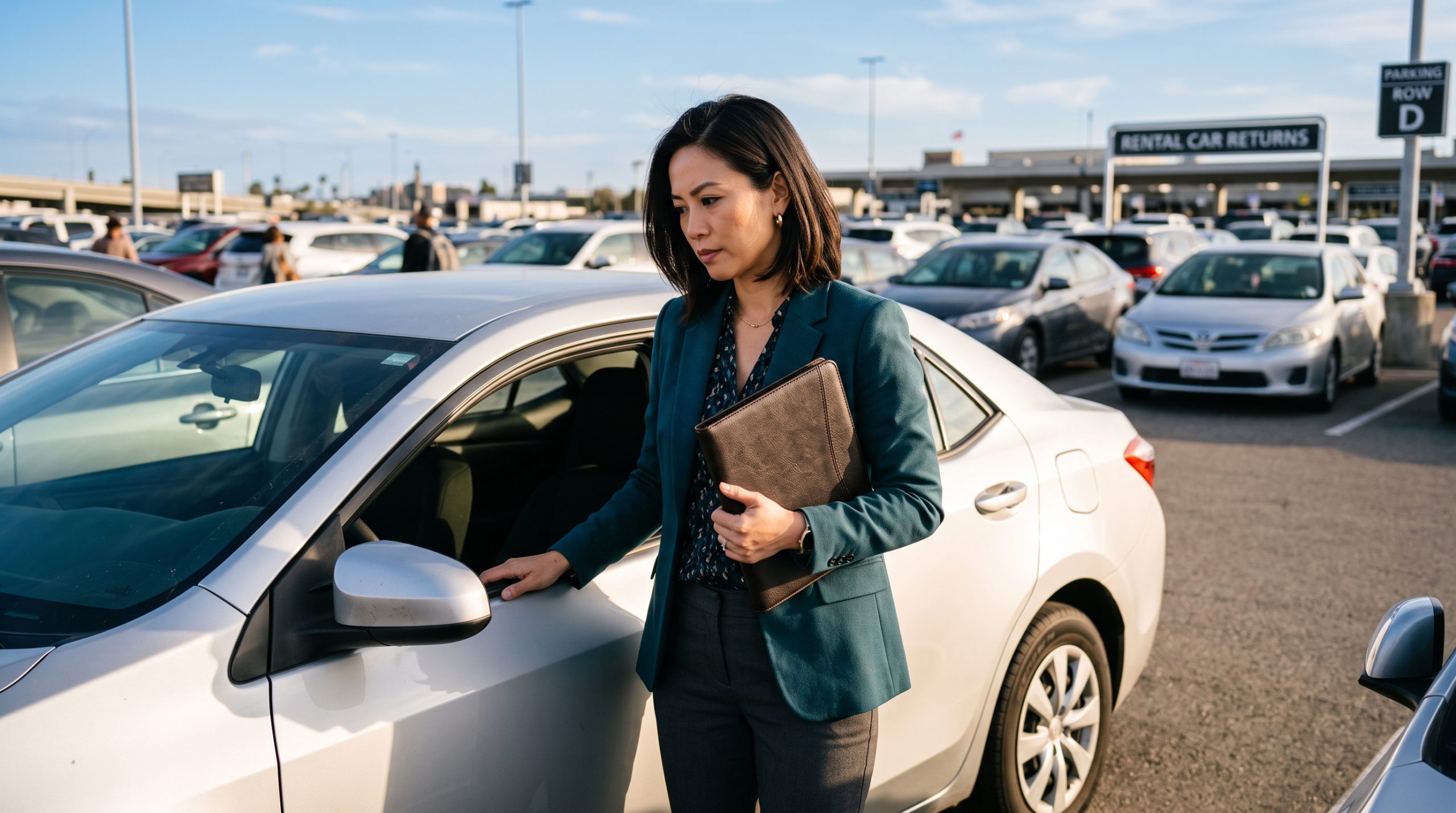
Mai Nguyen managed client accounts for a mid-sized packaging company outside Charlotte. In March, she flew to Nashville for two days of site visits and, at the Avis counter, signed a rental agreement in her own name for a mid-size sedan. She declined the counter’s loss damage waiver, priced as low as $9 a day, because she assumed her employer’s commercial auto policy already covered her on business trips. Nineteen miles from the airport, she rear-ended a delivery van at a stoplight, causing $340,000 in injuries to its driver.
Why the base policy stops at the rental counter
The standard ISO Business Auto Coverage Form, CA 00 01, defines a “hired auto” under Symbol 8 as, in the form’s own words, “only those autos you lease, hire, rent or borrow.” The word “you” means the named insured on the policy, the business itself, not any individual working for it. When Mai signed the Avis agreement, the contracting party was Mai, not her employer. The rental never became an auto the company hired, so the base form’s hired-auto liability grant never had a reason to reach it.
That distinction sounds technical until a claim tests it. The company’s $1,000,000 liability limit exists to cover autos it owns, hires, or borrows, and the vehicles its employees drive with permission. A car an employee rents under her own name and her own signature sits outside all three categories unless the policy says otherwise.
What CA 20 54 actually does
The fix is a specific ISO endorsement, form CA 20 54, titled Employee Hired Autos. Its operative language states plainly that “an ’employee’ of yours is an ‘insured’ while operating an ‘auto’ hired or rented under a contract or agreement in an ’employee’s’ name, with your permission, while performing duties related to the conduct of your business.” The same endorsement can extend Hired Auto Physical Damage coverage too, treating a car an employee rents under a personal contract as a covered auto the business itself owns for that purpose.
Run the numbers on Mai’s crash both ways. Without CA 20 54, the rental company’s own liability coverage is what stands behind her, and by Budget’s own description of its optional Supplemental Liability Insurance, that protection without the add-on defaults to “the minimum financial responsibility limits” the state requires, a fraction of a $340,000 claim. With CA 20 54 endorsed onto the employer’s policy, Mai’s rental becomes a covered auto and the company’s full $1,000,000 commercial auto limit stands behind the claim instead.
| Scenario | Who the rental contract is with | What covers the liability claim |
|---|---|---|
| No hired-auto endorsement | Employee, in her own name | The rental company’s own coverage, defaulting to state financial responsibility minimums unless a counter waiver was purchased |
| CA 20 54 endorsed | Employee, in her own name | The employer’s own commercial auto liability limit, because the rental is now a covered auto |
| Company books the rental directly | The business itself | Already covered under the base hired-auto definition, no endorsement needed |
CA 20 54 is not CA 99 33
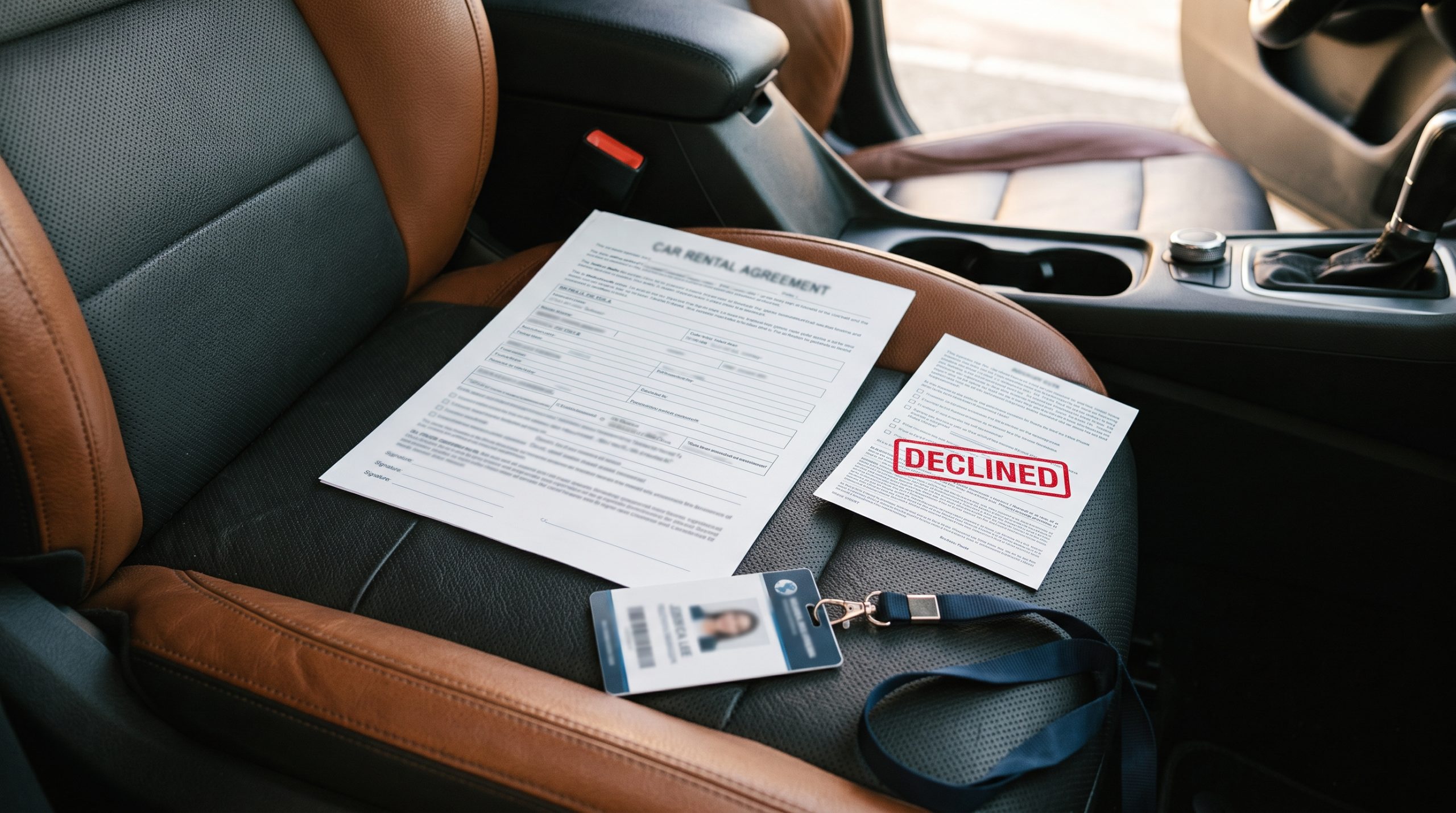
A second, older ISO endorsement carries an almost identical-sounding name and covers a completely different gap. CA 99 33, Employees As Insureds, adds coverage for “any ’employee’ of yours … while using a covered ‘auto’ you don’t own, hire or borrow in your business or your personal affairs.” That is an employee’s own personal car, driven for business errands with the business’s permission, the classic non-owned auto scenario already covered on this site. CA 20 54 covers the opposite fact pattern: a car the employee rents from a third party, under a contract with the third party, not a car the employee already owns. A company can genuinely need both endorsements on the same policy for two different reasons, and treating them as interchangeable is how a real gap survives a renewal unnoticed.
The gap that survives even after CA 20 54
CA 20 54 broadens liability and, on some editions, physical damage. It does not automatically broaden every other part of the policy. A federal court confirmed exactly this limit in Kelly v. St. Paul Fire and Marine Insurance Co., a 2000 case out of New Hampshire. An employee on a business trip was driving an Avis rental when an underinsured bus struck him. His employer’s policy carried a hired-auto liability broadening endorsement, but its uninsured motorist coverage still applied only to “any owned auto,” a definition the hired-auto fix never touched. The court sided with the insurer: the broadened liability grant did not carry uninsured motorist coverage along with it.
The lesson for a company adding CA 20 54 at renewal: ask specifically whether the endorsement extends to every coverage part the business actually wants on a rental. Liability, physical damage, and uninsured or underinsured motorist coverage are each their own question, not one automatic package. A related fix, for the individual rather than the employee, is Drive Other Car coverage, which follows a named person rather than a specific rental contract.
What to check before the next business trip
Commercial auto has not been a cheap line to renew. The Ivans Index put commercial auto renewals at 4.93% in the second quarter of 2026, easing to 3.58% in the August 2026 monthly print, still a real increase layered onto every fleet policy in force. Confirming CA 20 54 is actually on the policy, rather than assuming a general hired-and-non-owned auto endorsement already covers it, costs nothing at renewal and closes a gap that only shows up the moment an employee signs a rental agreement under her own name.
Frequently asked questions
Does hired and non-owned auto (HNOA) coverage already include this? Not necessarily. HNOA coverage built on ISO Symbols 8 and 9 broadens liability for autos the business hires directly and for employees’ own personal cars used for business. Neither symbol, on its own, resolves a rental contract signed by the employee personally rather than by the business. That specific fix is CA 20 54.
Does CA 20 54 cover physical damage to the rental, not just liability to other people? Some editions extend Hired Auto Physical Damage coverage to a car an employee personally rents, treating it as an auto the business owns for that purpose. Ask the agent to confirm which coverage parts the specific endorsement on the policy actually reaches, since liability and physical damage are separate questions.
What happens if the employee also buys the rental company’s own damage waiver? The rental company’s waiver and the employer’s commercial auto policy can both apply to the same loss, and which one pays first, or whether they split the cost, depends on the “other insurance” language in both contracts. Declining the counter waiver and assuming the company policy alone will pay is the exact assumption that leaves an employee exposed if CA 20 54 was never added.
Is this the same issue as an employee driving their own car for work? No. That is CA 99 33, Employees As Insureds, a separate endorsement for an employee’s personally owned vehicle used for business. CA 20 54 covers a car the employee rents from a third party under her own signature, a different contract entirely.
How do I find out if CA 20 54 is already on my company’s policy? Ask the agent or broker for the declarations page and the full endorsement schedule, not just a summary. CA 20 54 will be listed by its own form number if it is attached. If it is not on the list, it is not covered, regardless of what a general hired-and-non-owned auto endorsement says.
Compare commercial insurance quotes