6 min read · Last updated September 21, 2026
- A standard commercial property policy’s “Personal Property of Others” extension caps at $2,500 per location by default, per the Insurance Services Office’s (ISO) Building and Personal Property Coverage Form (CP 00 10), the industry-standard commercial property policy form. That figure is identical in editions filed 25 years apart.
- The $2,500 limit does not scale with how much customer property is actually on site. A shop holding one customer item or a hundred works from the same $2,500.
- A separate bailee’s customers coverage form, priced to the value of goods a business actually holds, is the real fix. It doesn’t come with the base commercial property policy.
- Commercial property renewal rates rose 6.40% in the second quarter of 2026, per the Ivans Index, so the gap between a rising premium and a frozen $2,500 sublimit keeps widening.
A standard commercial property policy automatically covers customer property in a business’s care for only $2,500 per location, no matter how much it’s actually worth. A bailee’s customers coverage form, purchased separately, is the only way to insure the real exposure.
In this article
- What “personal property of others” actually means
- The $2,500 sublimit, in the policy’s own words
- Why the fix is a separate policy, not a bigger limit
- What this costs when it goes wrong
- Frequently asked questions
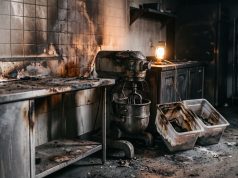
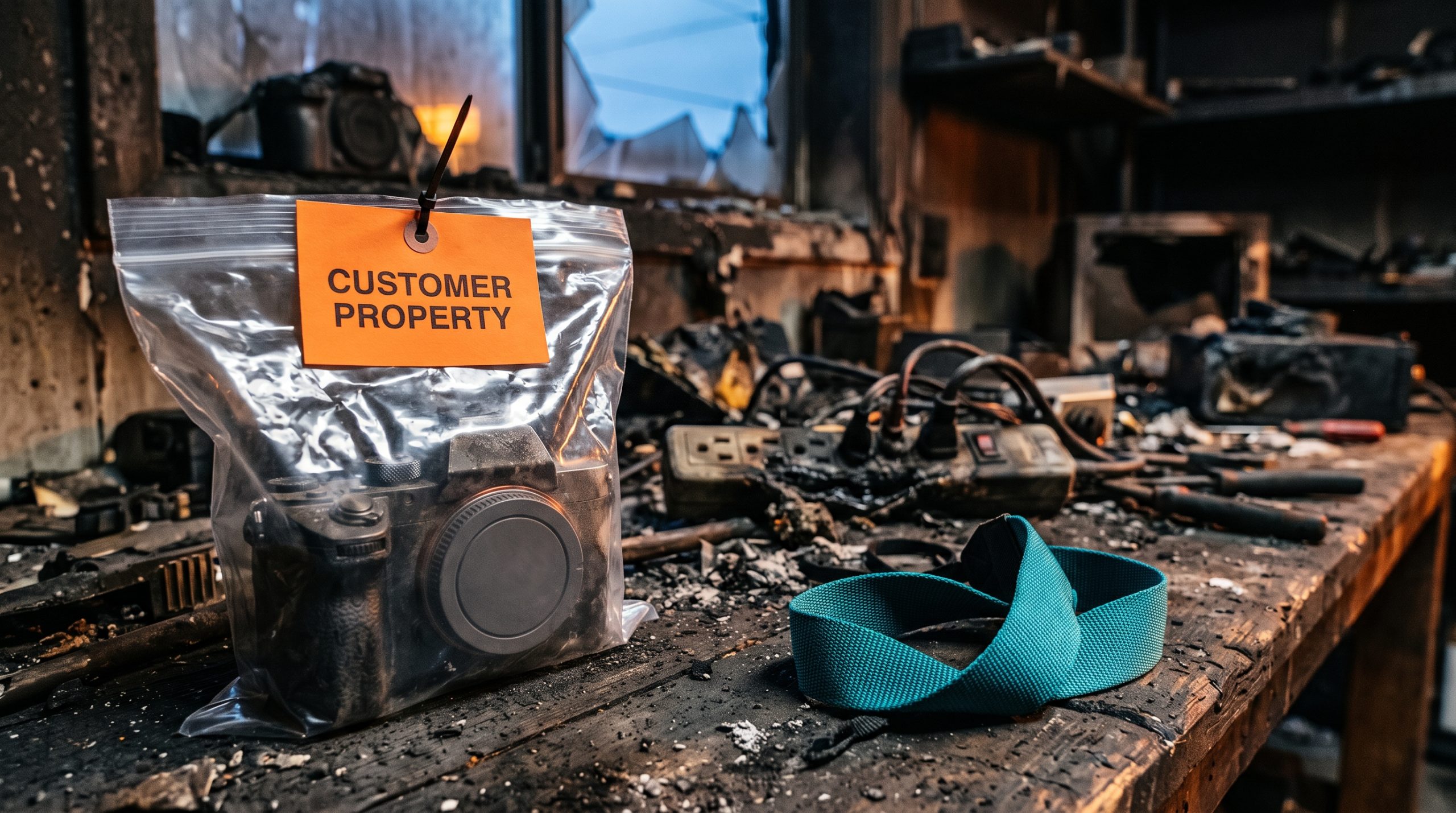
Daniel Choi had eleven customer devices on the workbench of his Beaverton, Oregon repair shop the night a frayed power-strip cord started a fire in the back room. The most valuable one was a client’s mirrorless camera body and lens kit, in for a sensor replacement, insured by its owner at $9,000. The fire destroyed the camera along with six other customer devices and most of Choi’s own tools.
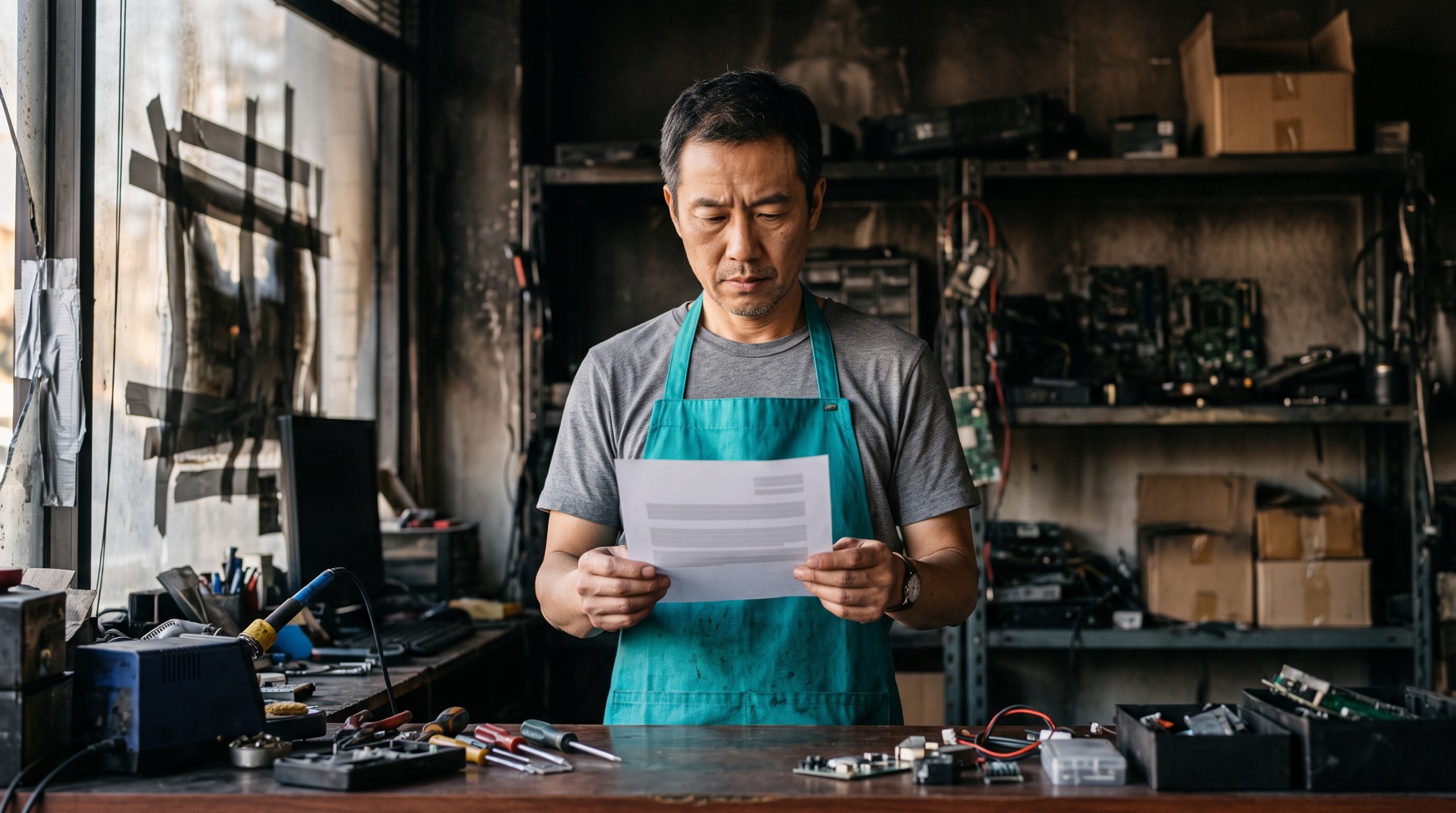
His commercial property policy paid for the building repairs. It paid to replace his own equipment. For the camera and the other six customer devices combined, it paid $2,500 total. Choi’s insurer wasn’t being difficult. It was reading the policy correctly.
What “personal property of others” actually means
In insurance terms, Choi is a bailee. The International Risk Management Institute (IRMI), the industry’s standard reference glossary, defines a bailee as “a person or organization to which possession of the property of others has been entrusted, usually for storage, repair, or servicing.” Dry cleaners, jewelers, furriers, camera and electronics repair shops, and self-storage operators are all bailees under this definition. They hold customer belongings they don’t own but are legally responsible for while those belongings sit on their premises.
Most bailees assume their commercial property policy already handles this. In a narrow, easy-to-miss sense, it does. The Building and Personal Property Coverage Form most small businesses carry includes an automatic extension for property of others. The trouble is how small that extension actually is.
The $2,500 sublimit, in the policy’s own words
The Insurance Services Office’s (ISO) Building and Personal Property Coverage Form, form CP 00 10, is the base commercial property form used across the industry. Its Coverage Extensions section states the limit directly: “Personal property of others in your care, custody or control. The most we will pay for loss or damage under this Extension is $2,500 at each described premises.” The same $2,500 figure appears in the form’s 1999 edition as well as its current 2012 edition, unchanged across roughly a quarter century of filings.
That number is a flat dollar cap “at each described premises,” not a percentage of anything. It applies whether the shop is holding one customer’s phone case or, like Choi’s shop the night of the fire, eleven devices at once. Every customer’s property competes for the same $2,500.
Why the fix is a separate policy, not a bigger limit
The product built for this exposure is a bailee’s customers form, a specialized inland marine policy. PropertyCasualty360 describes it as covering “personal property of others that is in your care, custody or control” on an open-perils basis, meaning it responds to any cause of loss the policy doesn’t specifically exclude, rather than a named list. Unlike the flat $2,500 extension, this form is scheduled and priced to the business’s real exposure. A repair shop that regularly holds tens of thousands of dollars in customer equipment buys a limit that reflects that, not a limit copied from a generic property form built for a business with almost nothing of a customer’s on site.
This gap isn’t hypothetical, and it isn’t unique to electronics repair. In Jasphy v. Osinsky, a 2003 New Jersey appellate case, a Teaneck furrier accepted three fur coats for storage and cleaning, appraised at $11,500, $3,500, and $3,995, roughly $19,000 combined. A fire the next day destroyed all three coats. The furrier’s own receipt had capped its liability at $1 per garment with no declared value, a total of $3 against $19,000 in destroyed property. The appellate court struck that clause as unconscionable. That case turned on a different mechanism, a liability-limitation clause rather than a property sublimit, but it illustrates the same underlying problem: a business holding customer property worth far more than what its own paperwork, or its own base policy, actually protects.
What this costs when it goes wrong
Run Choi’s numbers and the shortfall is easy to see. The camera alone, at $9,000, exceeds the entire $2,500 extension by $6,500. That leaves nothing at all for the other six devices, worth a combined $3,950.
| Item | Insured value | Paid under the CP 00 10 extension | Shortfall |
|---|---|---|---|
| Camera body and lens kit | $9,000 | $2,500 (limit exhausted here) | $6,500 |
| Six other customer devices, combined | $3,950 | $0 | $3,950 |
| Total customer property destroyed | $12,950 | $2,500 | $10,450 |
The timing makes this worse, not better. Commercial property renewal rates rose 6.40% in the second quarter of 2026, down slightly from 6.83% the quarter before but still a real premium increase, according to the Ivans Index. A bailee business paying more every year for the same base commercial property policy is paying more for a customer-property extension that hasn’t moved in 25 years.
Choi added a bailee’s customers policy to his coverage six weeks after the fire, scheduled to the roughly $30,000 in customer equipment his shop typically holds on a given day. It cost him $640 a year. The $2,500 extension on his base policy is still there, unchanged, doing exactly what it was always built to do: cover an incidental loss, not the actual business he runs.
Frequently asked questions
Does the $2,500 personal property of others limit apply per claim or per year? It applies “at each described premises” per occurrence, not per year, and resets between separate covered events. Within a single fire or theft, though, every customer’s property competes for that one $2,500, exactly as Daniel Choi’s seven-item claim showed. A large loss involving multiple customer items can exhaust the limit on the first one or two items alone.
Can I just raise my commercial property limit to cover more customer property? No. The personal property of others extension is a separate coverage line inside the base form, not a slice of the overall building or business personal property limit. Raising your policy’s overall limit doesn’t add a dollar to this extension. You need either a scheduled amount specifically for property of others or a separate bailee’s customers policy.
What kinds of businesses typically need bailee’s customers coverage? Dry cleaners, jewelers, furriers, upholsterers, camera and electronics repair shops, and self-storage operators are the classic examples: any business that regularly holds customer belongings it doesn’t own. Auto repair shops are a partial exception: they typically use garagekeepers liability, a dedicated product built specifically for vehicles in their care rather than a general bailee’s customers form.
Does my customer’s own renters or homeowners insurance cover their belongings while they’re in my shop? Rarely for the full value. A personal policy’s coverage for property away from the home typically carries its own modest sublimit, and it’s the customer’s coverage to claim, not yours. The shop’s own commercial coverage, or the lack of it, is what actually determines whether the customer gets made whole.
Is bailee’s customers coverage the same thing as garagekeepers liability? No. Garagekeepers liability is built specifically for auto repair and service businesses and vehicles left in their care. Bailee’s customers coverage is the broader product for every other kind of bailee, from dry cleaners to camera shops to self-storage units.
Your Building Coverage Doesn’t Cover What Your Customers Left Behind
Compare commercial insurance quotes and see what it actually costs to insure the property in your care, not just your building.
Compare Commercial Insurance Quotes