8 min read · Last updated August 5, 2026
- Commercial auto renewal rates averaged 4.93% in the second quarter of 2026 per the Ivans Index. The Council of Insurance Agents and Brokers separately put the line up 5.8% in the first quarter, its 59th straight quarterly increase, in a quarter when the overall commercial market fell 1.2%.
- Hired auto coverage reaches vehicles the business rents, and non-owned auto coverage reaches employee cars used on business errands. Neither one covers the owner personally, which is how a $208,000 claim landed with no policy behind it.
- The fix is one endorsement, ISO form CA 99 10, Drive Other Car Coverage – Broadened Coverage for Named Individuals, which names the owner and a resident spouse.
- Cancelling a personal auto policy because the company owns the trucks is the cheapest way to create a six-figure gap in a commercial program.
In this article
- What Rafael actually bought, and what he cancelled
- Why the denial letter was short
- Four trips, four different answers
- The one endorsement that closes it
- Frequently asked questions
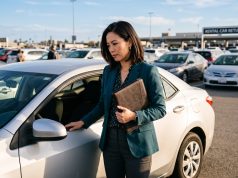
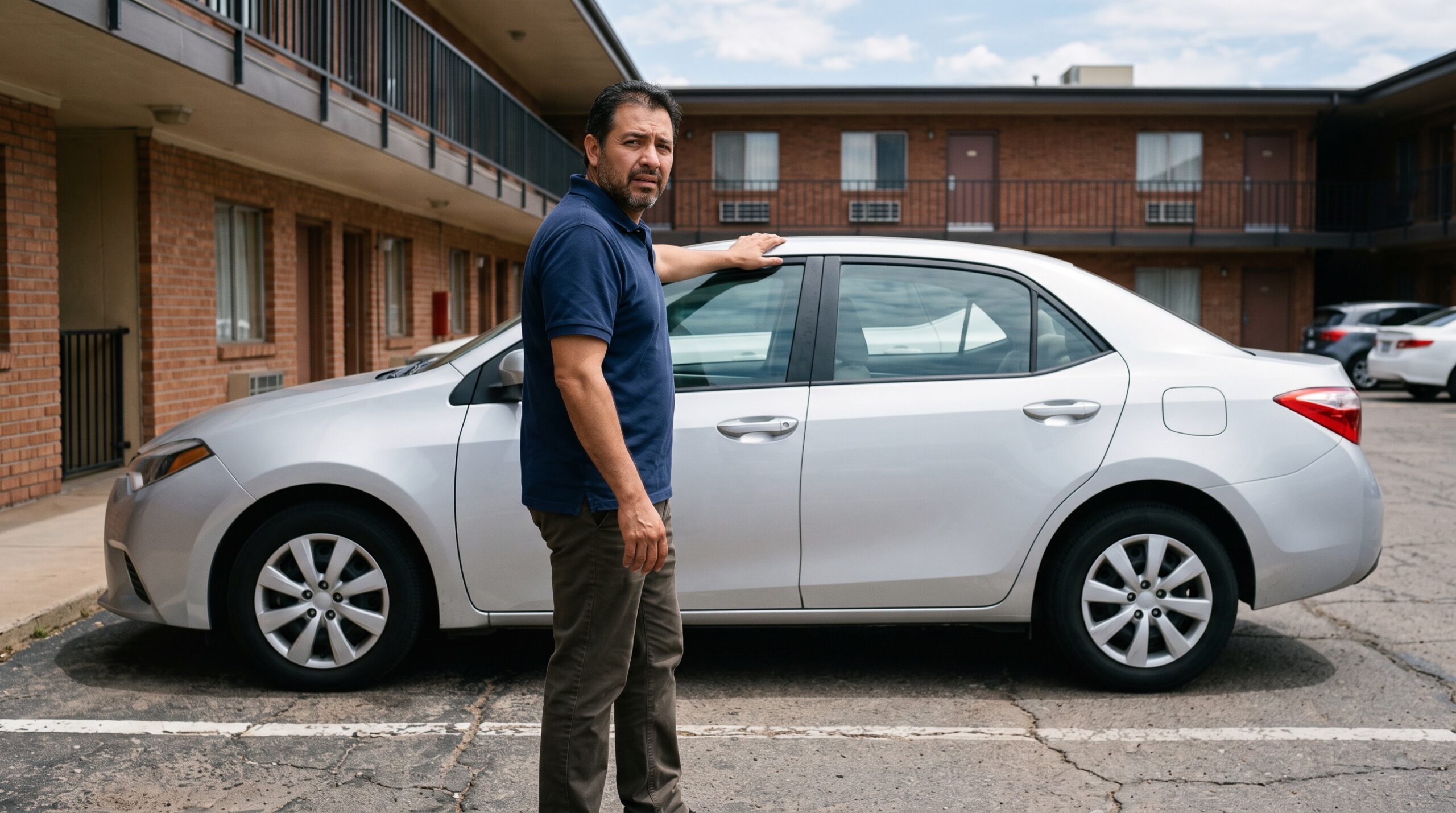
Rafael Ocampo runs a six-person landscaping company outside Philadelphia, and in June he rented a silver sedan for a four-day family trip to Ocean City. He declined the liability coverage at the counter, because both of his crew-cab pickups sit on a commercial auto policy he has carried for nine years. On the second morning he ran a red light. The other driver’s medical bills came to $180,000 and her vehicle was a $28,000 total loss. His commercial carrier denied the claim in three paragraphs, so $180,000 plus $28,000, or $208,000, became Rafael’s personal debt.
What Rafael actually bought, and what he cancelled
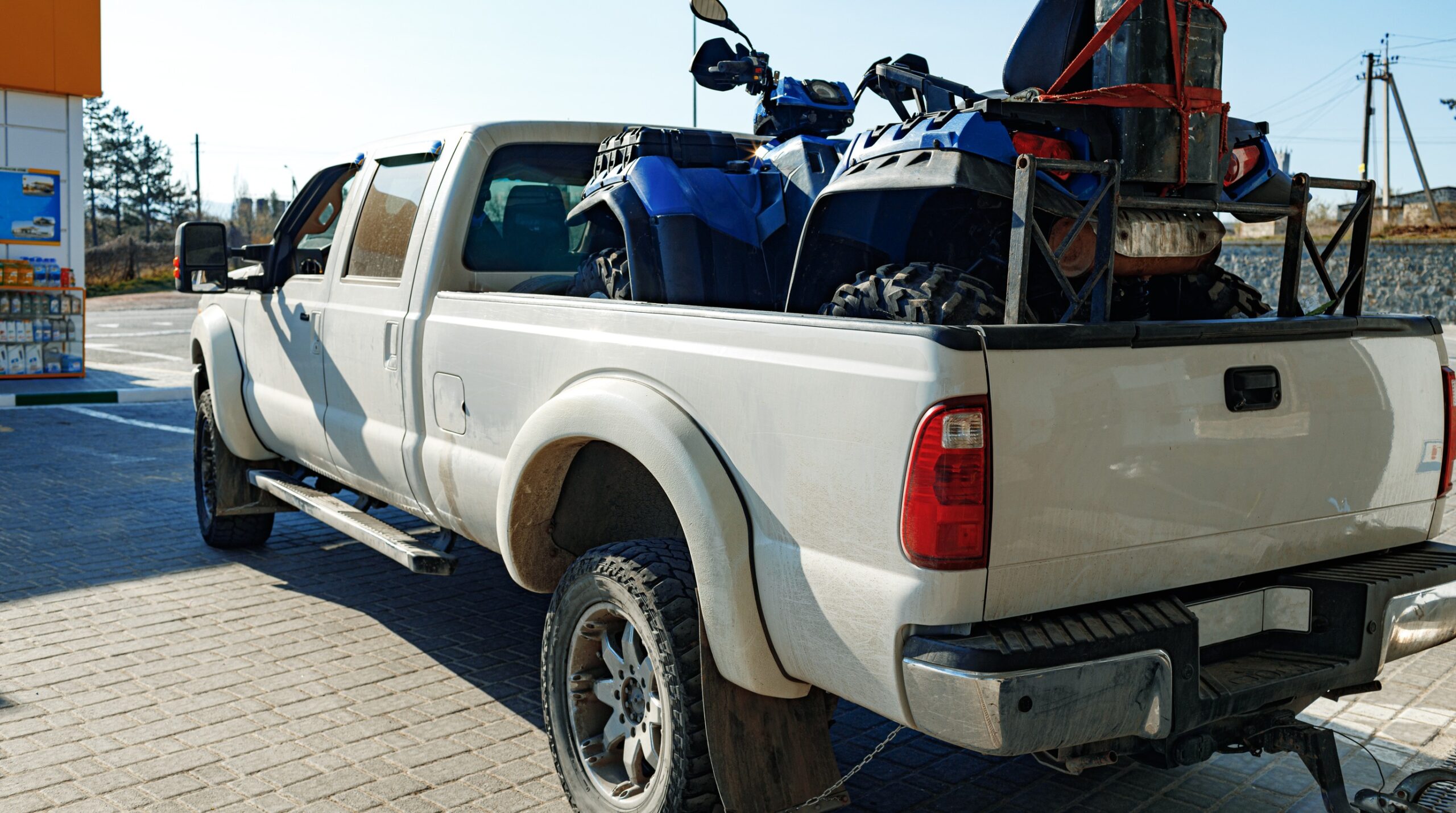
Rafael’s policy is a standard business auto form written for his limited liability company. Both pickups are scheduled on it. It carries hired auto coverage, which picks up vehicles the business rents or borrows for work, and non-owned auto coverage, which protects the business when an employee runs a company errand in a personal car. If you have not read your own declarations page, our walkthrough of the ISO symbols on a business auto policy explains which numbers control which vehicles.
None of that was the problem. The problem was a decision Rafael made in 2024, when his agent pointed out that the company owned both vehicles he drove and he was paying $1,410 a year for a personal auto policy on a car he had sold. He cancelled it. For two years nothing happened, because every mile he drove was in a truck the policy listed by vehicle identification number.
He is also paying more each year for that policy. Ivans, which measures renewal rate change on agency-placed small and mid-market accounts, reported that commercial auto renewal rates averaged 4.93% in the second quarter of 2026, down slightly from 5.28% in the first quarter but still the fourth straight year of increases. The broker survey run by the Council of Insurance Agents and Brokers is blunter: commercial auto premiums rose 5.8% in the first quarter of 2026, the 59th consecutive quarter of increases, in a quarter when the overall commercial market fell 1.2% and ended a 33-quarter run of increases. A March 2026 A.M. Best report cited in the same survey called commercial auto “one of the worst-performing P&C segments over the last 10 years.” Rafael is buying into the one line that refuses to soften, and the thing it does not buy is him.
Why the denial letter was short
Read the “Who Is An Insured” section of a business auto policy and you find two categories. The first is the named insured, which on Rafael’s policy is the company, not Rafael. The second is anyone else using a covered auto with permission. A covered auto is one the business owns, hires, or borrows.
The rented sedan was none of those. Rafael rented it in his own name, with his own card, for a beach trip. The business did not hire it, so hired auto coverage did not attach. Non-owned auto coverage only reaches vehicles used in the business, and a family vacation is not the business. Even where non-owned coverage does apply, it exists to protect the company from a lawsuit over an employee’s driving, not to hand the driver a personal liability policy.
So Rafael was an uninsured motorist in a rented car. No liability coverage, no medical payments, and no uninsured motorist protection if the other driver had been the one at fault. The same hole opens in his brother-in-law’s pickup, in his daughter’s hatchback, and in any rental he takes on a weekend. Our explainer on how a personal auto policy follows you into a rental car describes the protection he threw away in 2024 without knowing what it was doing for him.
The National Association of Insurance Commissioners, the standard-setting body for state insurance regulators, puts the situation plainly in its consumer auto insurance guidance: “If you don’t own a car, you might want to consider purchasing a non-owner auto insurance policy, because it provides benefits in addition to coverage for a rental car.”
Four trips, four different answers
The gap is not in the policy’s limits. Rafael carries a $1 million combined single limit, which is generous for a landscaping company. The gap is in who counts as an insured, and it changes trip by trip.
| The trip | Business auto policy as written | Same policy plus CA 99 10 | A personal auto policy |
|---|---|---|---|
| Driving his own scheduled pickup to a job | Covered | Covered | Not covered (business use of a business auto) |
| Employee runs to the supply yard in her own car | Company protected by non-owned coverage; employee relies on her own policy | Same | Employee’s own policy responds first |
| Rented sedan on a family vacation | No coverage for Rafael | Covered for Rafael and his resident spouse | Covered |
| Borrowing his brother-in-law’s pickup on a Saturday | No coverage for Rafael | Covered, unless the vehicle is owned by his own household | Covered |
The second row is worth pausing on, because it is the gap most owners have actually heard of and it points the opposite way. Non-owned auto coverage protects the company from an employee’s driving. It does nothing for the owner’s own personal driving. Two different holes, two different fixes.
The one endorsement that closes it
The instrument is a drive other car endorsement. According to the risk-management reference publisher IRMI, a drive other car endorsement is form CA 99 10, “a commercial auto endorsement designed to provide nonowned auto coverage under a commercial auto policy similar to that which would be provided under a personal auto policy.” IRMI notes it is “commonly used when an executive officer, for example, does not carry personal auto insurance because he or she is furnished a company auto.” That is Rafael’s situation exactly, minus the executive title.
The endorsement schedules named individuals, and coverage extends to the named person and a resident spouse while they drive a non-owned auto for personal use. It can be written to include liability, medical payments, physical damage, and uninsured and underinsured motorist coverage, which is the part most owners forget they lost. IRMI is explicit about the boundary: coverage “does not apply if the auto in question is owned by that individual or by any member of his or her household.” So it fills the borrowed-and-rented gap, not a gap in a car you already own.
Three questions answer whether you need it. Is your primary vehicle titled to the business and listed on the commercial policy? Do you carry no personal auto policy in your own name? Do you ever drive a vehicle that is not on the commercial policy, including rentals and family cars? Three yes answers means you are driving uninsured on your own time. Ask your agent to add CA 99 10 naming you and your spouse, and if the answer is that the business policy “covers you anyway,” ask them to point at the provision that does it. For the rest of the form, our beginner’s guide to commercial auto insurance covers what the declarations page controls, and our piece on cargo versus physical damage coverage covers the gap on the property side.
Frequently asked questions
Does my commercial auto policy cover me in a rental car?
Only if the business rented it. Hired auto coverage attaches to vehicles the named insured rents, leases, or borrows, and a car you rent in your own name for a personal trip is not one of them. If you have no personal auto policy, buy the liability coverage at the counter or add a drive other car endorsement first.
What is the difference between drive other car coverage and non-owned auto coverage?
Non-owned coverage protects the business when an employee uses a personal vehicle on company business. Drive other car coverage protects a named individual, plus a resident spouse, when they personally drive a vehicle the business does not own. One shields the company from an employee. The other insures you off the clock.
Can I just add my personal car to the commercial policy instead?
You can schedule a personally owned vehicle on a business auto policy, and some agents do it. It does not solve this gap, because the exposure is vehicles nobody has scheduled: rentals, a friend’s truck, a relative’s car. A drive other car endorsement or a personal auto policy is what reaches those.
Does the endorsement cover my spouse and children?
The endorsement extends to the individual named on the schedule and to a resident spouse. Adult children living at home are not automatically included, and coverage does not apply to a vehicle owned by anyone in your household. If licensed drivers in your home own cars, they still need their own policies.
Compare commercial auto and business insurance quotes before your next renewal
See which carriers will write a drive other car endorsement alongside your fleet coverage, and what the whole program costs in one place.