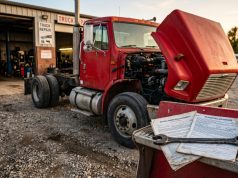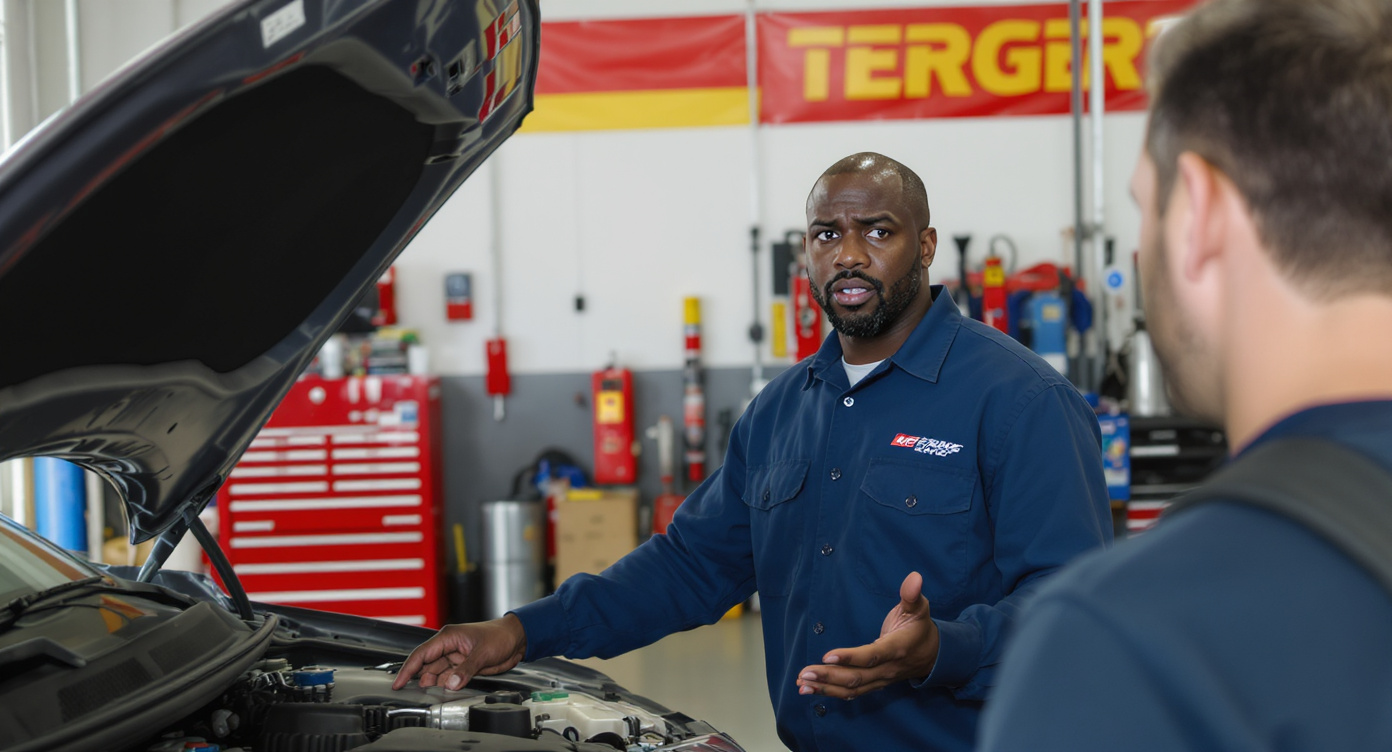
Marcus Brown owns a six-bay independent repair shop in suburban Atlanta. On a Sunday in March, a supply line burst overnight and flooded the floor of bay three with three inches of water by morning. A customer’s 2022 BMW X5, left for transmission work, had been parked in the lowest corner of the bay. Water reached the carpet, the wiring harness, and the floorboard control module. The vehicle was totaled at $48,200. His garage liability adjuster denied the claim within a week. Garage liability covers his shop’s premises and his shop’s owned vehicles. It does not cover customer vehicles in his care, custody, or control. He did not carry garagekeepers liability.
Garagekeepers liability is a separate coverage that pays for physical damage to customer vehicles while those vehicles are in the shop’s possession. Auto repair shops, body shops, dealerships, and valet operations all need it. The standard ISO Garage Coverage Form (CA 00 05) actively excludes property in the insured’s care, custody, or control under the liability section. That exclusion sends the claim straight to garagekeepers, or straight to the shop owner’s pocket if the coverage is missing.
What garage liability covers and why it stops at the customer’s car
Garage liability is the auto-shop version of a commercial general liability policy combined with commercial auto. It pays when a customer slips on a wet floor in your waiting room, when one of your shop’s tow trucks rear-ends another driver, or when an employee test-driving a customer’s car causes a third-party accident. It pays for premises liability, completed operations, and on-the-road accidents involving shop-owned vehicles.
The policy form contains a hard exclusion for damage to property in the insured’s care, custody, or control. Insurers separate the third-party liability risk from the bailment risk because the two carry different loss patterns. When fire, theft, vandalism, collision, or weather damages a customer car on the shop’s premises, garage liability pays nothing.
Three coverage forms: legal liability, direct primary, and excess
Garagekeepers is sold in three structural forms.
Legal liability form. The cheapest and most common. The shop has to be legally liable, meaning negligent. If a customer’s car is stolen and the shop locked the doors and posted security cameras, the shop may not be legally liable, and the form pays nothing.
Direct primary form. Pays regardless of legal liability. If a customer’s car is damaged in your shop, your garagekeepers pays first, before the customer’s auto insurer is involved. Premium typically runs 1.5x to 2x the legal liability form.
Excess form. Pays after the customer’s auto policy. Usually combined with direct primary or used by shops whose customers all carry full coverage already.
A shop that handles $40,000 to $100,000 vehicles regularly should carry direct primary, not legal liability. Reviewing different types of business insurance helps frame where garagekeepers fits in the rest of the program.
What garagekeepers actually pays for
Standard garagekeepers covers four categories of physical damage to customer vehicles in the shop’s possession: fire, lightning, and explosion; theft of the vehicle or specified parts; vandalism, malicious mischief, and riot; and collision and upset. Comprehensive form garagekeepers adds water damage, falling objects, and weather losses. The Atlanta burst-pipe scenario falls under comprehensive. A specified-perils-only form would not have paid even with garagekeepers in place, because internal water leaks sit outside the named perils.
Limits are typically expressed as per-vehicle and per-occurrence: “$75,000 per vehicle, $250,000 per occurrence” is a common middle-tier limit. Deductibles run $250 to $1,000 per vehicle. A shop with five luxury vehicles in the bay needs a per-occurrence limit that can absorb a worst-case fire, not just a single-car loss.
What it costs
Premium depends on average vehicle values, peak overnight count, security measures, claims history, and the form selected. A small independent shop with 8 to 15 vehicles on the lot at peak typically pays $1,200 to $3,500 per year for legal liability garagekeepers with $50,000 per-vehicle and $250,000 per-occurrence limits. Direct primary roughly doubles that. Dealerships with 100+ vehicles pay $15,000 to $50,000 per year, often as part of a dealership package policy.
Underwriters ask for a vehicle inventory schedule, the average overnight count, a description of after-hours security, and whether the shop performs road tests or transports vehicles to subcontractors.
Common claims and who needs it
The patterns that trigger most garagekeepers claims: an employee taking a customer car for a joy ride and crashing it; a vehicle on a lift dropped or shifted; hail damaging cars on an outdoor lot; an after-hours break-in damaging multiple cars; a fire spreading from the shop into the bay; water damage from a burst pipe or roof leak. A shop that has a commercial property insurance claim process for the building itself often discovers during the first claim that the customer-vehicle portion was never covered.
Any business that takes possession of customer vehicles overnight needs garagekeepers: independent and franchise repair shops, body shops, tire and oil change businesses, new and used car dealerships, valet parking operations, auto detailers, towing operations, and mobile mechanics who transport vehicles. The right limit equals the average value of the most expensive cars on the lot times the number of vehicles likely on premises during a worst-case loss. A commercial umbrella policy extends the per-occurrence cap when the underlying garagekeepers limit is exhausted.
Frequently Asked Questions
Is garagekeepers required by state law? No state requires garagekeepers liability. Some states require shops to disclose to customers in writing whether their vehicles are insured while on the shop’s lot. A few states allow customers to recover under the shop’s bond, but bond limits are usually too low to cover a luxury vehicle loss.
Will my customer’s auto insurance pay for damage in my shop? Sometimes. If the customer carries collision and comprehensive coverage, those policies will pay subject to the deductible. The customer’s insurer will then often subrogate against the shop, pursuing reimbursement. The customer is left with the deductible and a higher renewal premium even when the shop was the cause.
What is the difference between garagekeepers and a Bailees policy? Garagekeepers is specifically for vehicles in the shop’s care under an auto-related business. A Bailees policy covers any property held in trust and is more common for dry cleaners, jewelers, or storage operations. The two are not interchangeable, and most carriers only write garagekeepers for licensed automotive businesses.
Does garagekeepers cover personal items left inside the customer’s car? Generally no. The form covers the vehicle itself, not personal property inside it. Some carriers offer a small contents endorsement, typically capped at $500 to $1,000 per loss. Intake signage should disclose that personal items are not covered.
How do I know whether I have legal liability or direct primary form? Read the declarations page. The form name appears next to the garagekeepers limit. “Garagekeepers Legal Liability” indicates the legal liability form; “Direct primary” or “without regard to legal liability” indicates the broader form.
Add garagekeepers to your shop’s coverage. Compare commercial auto policies that cover customer vehicles in your care, custody, and control.