Most business owners prepare for physical risks like fires, storms, or theft. What often gets overlooked is the financial damage caused by being forced to shut down, even temporarily. Business interruption insurance is designed to fill that gap.
This coverage replaces lost income and helps pay ongoing expenses when your business cannot operate due to a covered event. In recent years, especially after widespread shutdowns and supply chain disruptions, many businesses have realized that property insurance alone is not enough.
This guide explains what business interruption insurance covers, what it excludes, and how to decide if it makes sense for your business.
What Is Business Interruption Insurance?
Business interruption insurance, also called business income coverage, protects your cash flow when operations are temporarily halted due to a covered loss.
Instead of covering physical damage, it focuses on lost revenue and unavoidable expenses, helping your business stay afloat while you recover.
What Business Interruption Insurance Covers
Most policies help cover:
- Lost net income based on historical financial records
- Ongoing fixed expenses such as rent, utilities, and loan payments
- Employee payroll, allowing you to retain staff during downtime
- Taxes and insurance premiums that continue even while closed
- Temporary relocation costs if you must operate from another location
- Extra expenses incurred to reduce the length or impact of the shutdown
Example:
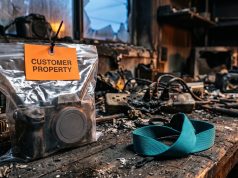
If a fire damages your storefront and repairs take three months, business interruption insurance can help replace lost income and cover rent, payroll, and utilities during that period.
What Triggers Coverage?
Coverage is usually activated by direct physical damage caused by a covered peril, such as:
- Fire or explosion
- Severe storms or wind damage
- Vandalism or theft
- Equipment breakdown (if included)
- Certain natural disasters, depending on the policy
Most policies include:
- Waiting period: Typically 48–72 hours before coverage begins
- Restoration period: Usually 30 days to 12 months, depending on the policy
The restoration period ends once your business is reasonably able to resume normal operations, not necessarily when revenue returns to pre-loss levels.
What Business Interruption Insurance Does Not Cover
This coverage has important exclusions. Most policies do not cover:
- Pandemics or communicable diseases, unless explicitly endorsed
- Floods or earthquakes without separate riders
- Losses not supported by financial records
- Utility outages or supplier issues unless directly tied to covered damage
These exclusions became especially visible during COVID-19, prompting many insurers to tighten language and business owners to review policies more carefully.
Who Should Consider Business Interruption Insurance?
This coverage is especially valuable for businesses that rely on physical locations, equipment, or foot traffic, including:
- Restaurants and cafés
- Retail stores
- Manufacturing and production facilities
- Warehouses and logistics companies
- Medical clinics and service providers
Even service-based businesses may benefit if they depend on specialized equipment, leased office space, or in-person client interactions.
If your business would struggle to survive a few weeks, or months, without revenue, this coverage deserves serious consideration.
How to Evaluate If It’s Right for Your Business
Ask yourself:
- Revenue dependency: How much income would you lose during a shutdown?
- Fixed costs: What expenses continue even when you’re closed?
- Recovery timeline: How long would it take to fully resume operations?
- Existing coverage: Is business income coverage already included in your property policy, or does it require a rider?
Use your historical earnings and projected growth to estimate appropriate coverage limits. Underinsuring can leave costly gaps during recovery.
Final Takeaway
Business interruption insurance is more than a backup plan. It’s a business continuity strategy. While it does not cover every possible disruption, it plays a critical role in protecting revenue, payroll, and long-term stability when the unexpected happens.
For businesses that depend on physical operations, the right policy can mean the difference between reopening and closing permanently.
A temporary shutdown doesn’t have to become a permanent setback. Business interruption insurance can help protect your income and keep your business running during recovery.
👉 Compare business interruption insurance options here
Related: property damage claim