5 min read · Last updated May 18, 2026
In this article
- What the exclusion actually says
- Why bar fights almost always trigger the clause
- The negligent supervision workaround
- The endorsement that closes the gap
- What to ask your broker before renewal
- Why GL is not the backstop
- FAQ
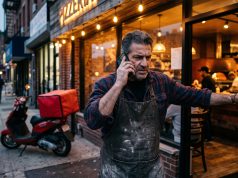
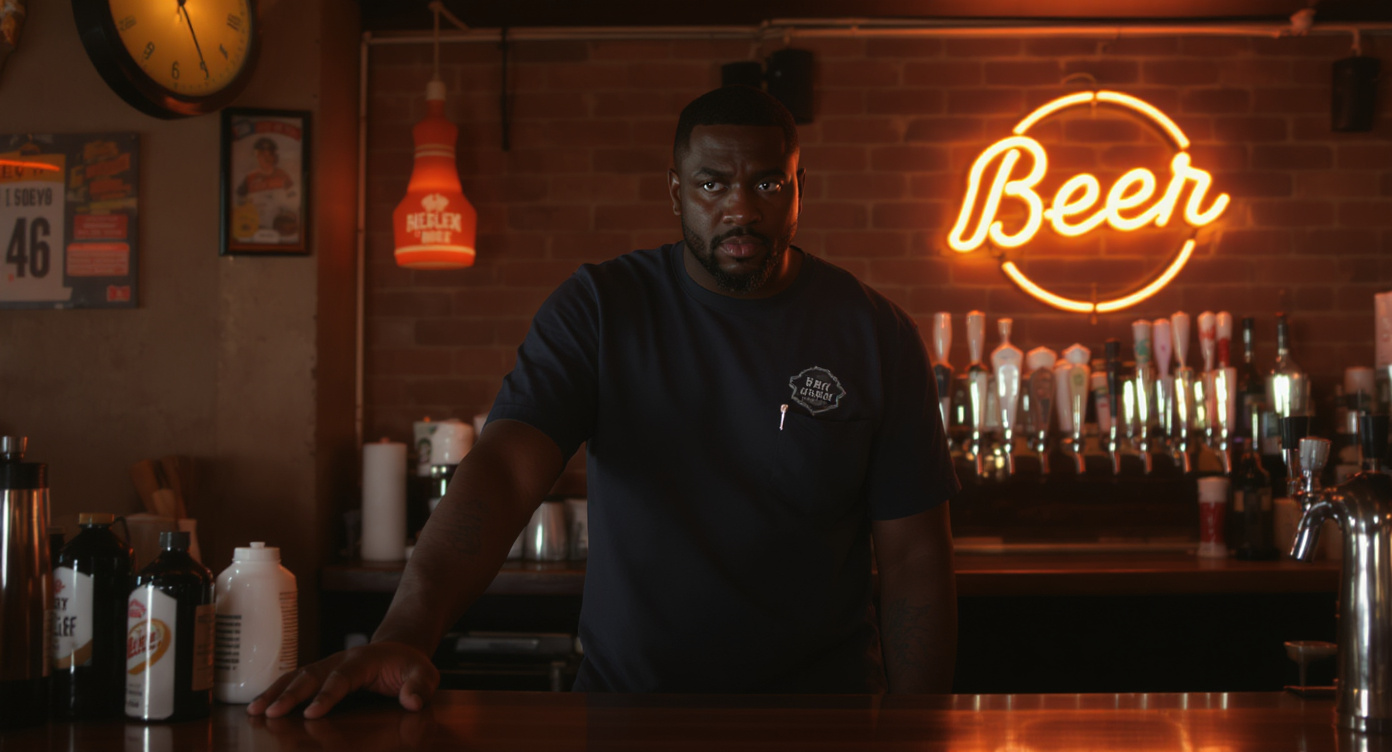
Marcus Brooks, 47, owns Halftime Tavern, a neighborhood bar in northwest Detroit. On a Sunday in October 2024, two regulars argued over a Lions touchdown call. By the time staff pulled them apart, one regular had a fractured orbital bone, a concussion, and $94,000 in medical bills. He sued the bar for failing to intervene sooner. The case settled at $312,000. Marcus’s liquor liability insurer denied coverage. He paid every dollar himself and refinanced the building to do it.
The exclusion sounds technical, but its real-world reach is wide. A lawsuit arising from physical contact between patrons, between patrons and staff, or between a patron and a bystander can be denied even when the bar’s alcohol service was the underlying cause. Liquor liability does what its name suggests, which is to cover suits alleging that the bar over-served a customer who then injured someone after leaving. Once the injury happens on the premises and involves intentional contact, the coverage often ends.
What the exclusion actually says
The standard ISO liquor liability form excludes bodily injury or property damage “arising out of or resulting from any actual or threatened assault or battery.” Most carriers add a broader version that extends to any physical altercation regardless of intent. A handful of carriers exclude all claims arising from intentional acts of any person. Industry surveys estimate that roughly 80 percent of independent bars carry policies with at least one of these three exclusions baked in.
Once the exclusion attaches, it follows the entire claim. Defense costs are excluded along with the indemnity payment, which means the bar owner pays for the lawyer too. Courts have read this kind of exclusion broadly: in one Minnesota appellate case, the policy language excluded both the assault itself and negligent supervision, training, and retention claims tied to it, and the court held the exclusion could reach a liquor liability claim. For a contested case that goes to trial, defense alone can run $40,000 to $120,000 even before any settlement or judgment.
Why bar fights almost always trigger the clause
The exclusion does not require the bar’s staff to have caused the fight. It does not require a weapon. It does not require the injury to be severe. Any physical contact alleged in the complaint puts the claim inside the exclusion’s reach.
Insurers read complaints narrowly. If the plaintiff’s lawyer alleges that the patron “was struck,” the carrier will tender a denial within thirty days. Even when the complaint also alleges over-service, negligent training, or failure to supervise, carriers typically argue that the assault is the proximate cause and the rest is window dressing.
The negligent supervision workaround
A small number of states, including Illinois, New Jersey, and parts of California, have appellate court rulings that allow negligent supervision claims to survive the assault and battery exclusion. The theory is that the bar’s failure to staff the room properly, train bouncers, or remove visibly intoxicated patrons is independent from the underlying assault and therefore covered.
These rulings exist, but plaintiffs and bar owners win them on appeal in roughly 30 percent of contested cases. The carrier almost always denies first, and the bar owner must either pay the lawyer to fight the denial or pay the settlement directly. Either way the money leaves the business.
The endorsement that closes the gap
The fix is an assault and battery endorsement, which most commercial carriers will write for an additional premium. Pricing depends on the bar’s claim history, hours of operation, security staffing, and location. A typical small neighborhood bar pays $1,200 to $2,400 per year for $500,000 of A&B coverage. A nightlife venue with regular cover charges and DJs pays $2,500 to $5,000 for the same limit. A few carriers offer sublimited A&B coverage at $100,000 or $250,000 included in the base policy. That tier is sometimes enough for a smaller venue but rarely matches the actual exposure.
What to ask your broker before renewal
Three questions handle most of the gap:
- What is the exact wording of the assault and battery exclusion on this policy, and does it extend to defense costs?
- Can we add an A&B endorsement at $500,000 or $1 million, and what is the additional premium?
- If we already carry a commercial umbrella policy, does it follow form on the A&B exclusion or sit above it?

If the umbrella follows form, it inherits the same exclusion and provides no relief. Many do. A few carriers offer drop-down umbrellas that fill the gap when the primary excludes assault, but those have to be requested by name. Generic umbrellas do not work this way by default.
Why GL is not the backstop
Some bar owners assume general liability will cover what liquor liability excludes. It rarely does. Most GL policies have their own assault and battery exclusion, and the ones that do cover physical altercations almost always exclude injuries arising from alcohol sales, since, as one industry trade publication puts it, most GL policies specifically exclude liquor exposure for a business in the business of serving or selling it. The two policies were designed to leave bar fights exactly where Marcus Brooks ended up, which is uninsured.
For a broader look at restaurant and bar coverage gaps, see our restaurant commercial insurance guide and the liquor liability insurance overview.
Bar or restaurant owner? Get quotes that include A&B coverage.
Compare commercial policies that write the assault and battery endorsement into the base limit, not as an afterthought.
Compare Commercial CoverageFAQ
Does general liability insurance cover bar fights? Most general liability policies carry their own assault and battery exclusion, and many specifically exclude injuries arising from alcohol service. A bar owner who relies on general liability plus a basic liquor liability policy typically has no coverage for a bar fight injury claim, even when the fight clearly stemmed from over-service.
How much does an assault and battery endorsement add to a bar’s premium? Small neighborhood bars usually pay $1,200 to $2,400 per year for $500,000 of A&B coverage. Larger venues with regular nightlife traffic, cover charges, or DJs pay $2,500 to $5,000 for the same limit. The endorsement is generally less than 15 percent of the base policy cost and far less than legal defense in a single contested case.
Can I sue my insurance company if they deny a bar fight claim? You can challenge a denial under your state’s bad-faith laws, but the bar still needs to fund the underlying defense and any judgment while the dispute plays out. Negligent supervision arguments sometimes survive assault and battery exclusions on appeal, but carriers win those denials in roughly 70 percent of contested cases. Buying the endorsement before a fight happens is the cheaper path.
Does an umbrella policy fill the assault and battery gap? Only if the umbrella does not follow form on the primary liquor liability exclusion. Most umbrellas inherit every exclusion in the underlying policy by default. A small number of carriers offer drop-down umbrellas that pay when the primary denies, but those must be specifically requested and underwritten. Standard umbrellas do not fix this gap.