Marcus had been running his IT consulting firm in Phoenix for six years when the lawsuit arrived. A client claimed that a server migration Marcus’s team handled caused 72 hours of e-commerce downtime, costing them $92,000 in lost sales. Marcus called his insurance carrier. He had a business owner’s policy – three years of consistent premiums, never a missed payment. The claim was denied. General liability, the coverage bundled inside his BOP, covers bodily injury and property damage to third parties. A professional service error is neither of those things. Marcus had no errors and omissions policy. The $92,000 judgment was taken from his business account.
A business owner’s policy bundles two types of coverage into one package: commercial property insurance and general liability insurance. For businesses with fewer than 100 employees and under $5 million in annual revenue, a BOP is the most affordable and streamlined option most insurers offer. Premiums typically run $500 to $1,500 per year for standard small businesses, depending on industry, location, and the value of your assets.
That price point is why a BOP is the default recommendation for most new business owners. The problem isn’t the price – it’s the assumption about what that price buys.
What a BOP Actually Covers
The commercial property section covers your physical assets. If a fire, burst pipe, or vandalism damages your office space, equipment, inventory, or furniture, property coverage pays to repair or replace it. Most BOPs also include business interruption coverage, which replaces lost income while you’re forced to close – typically up to 12 months. That business personal property limit also matters most exactly when a retailer’s inventory swells for a season: the BOP’s automatic 25% seasonal increase has a condition that catches owners who never check it. The same property section also extends automatic coverage to a brand-new location for a limited window, and that automatic extension expires in just 30 days.
The general liability section covers claims that your business caused bodily injury or property damage to someone else. A customer slips on your floor and breaks their wrist – GL claim. Your employee backs into a client’s equipment during a service visit – covered.
That’s the full scope of the standard package. The problem is what it doesn’t touch.
The Four Coverage Gaps That Hit Hardest
Professional errors. If your business delivers services, advice, designs, or any other professional output, an unhappy client can sue you for financial harm. Consultants, IT firms, accountants, real estate agents, graphic designers – any business where the product is expertise rather than a physical good is exposed here. A BOP’s GL section does not cover professional errors. That requires a separate errors and omissions (E&O) policy. E&O coverage for a small service business typically runs $800 to $2,000 per year. Marcus’s missing coverage would have cost him less than $150 per month.
Employment claims. Wrongful termination lawsuits, harassment allegations, and discrimination complaints are employment practices liability claims. A BOP doesn’t cover them. Defending an employment lawsuit costs between $75,000 and $125,000 on average – even when the employer wins. Employment practices liability insurance (EPLI) is a standalone coverage worth adding before your first hire, not your tenth.
Cyber incidents. A ransomware attack, data breach, or phishing event that compromises customer data is not a property loss under a BOP. Cyber liability is a separate policy, and for any business storing customer emails, payment info, or health data, it’s no longer optional. Basic cyber coverage for a small business can start under $1,000 per year.
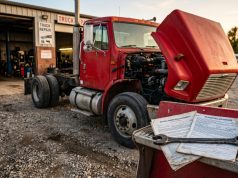
Commercial vehicles. If employees drive company-owned vehicles or use personal vehicles for business errands, your BOP’s property section doesn’t cover those vehicles while in use. You need commercial auto coverage or a hired and non-owned auto endorsement. The gap runs the other direction too: an auto repair shop that takes custody of a customer’s car isn’t covered by its BOP or a standard commercial auto policy if that vehicle is damaged on the lot – garagekeepers liability is the separate coverage built to close that gap.
Who Qualifies for a BOP
BOPs are designed for lower-risk, smaller businesses that insurers can package into a standard product. Retail shops, professional offices, small restaurants, salons, and service businesses with modest revenue typically qualify. Construction companies, manufacturers, and businesses with significant off-site operations are commonly excluded.
If you qualify for a BOP, it’s still the right foundation. The question is what to layer on top.
Building Coverage That Actually Protects You
Start with the BOP and add coverage based on your business’s activities. A marketing agency needs E&O. A restaurant with staff needs EPLI. A bookkeeper handling client finances needs cyber liability insurance. A plumbing company with service trucks needs commercial auto. Understanding the full range of business insurance types before a claim hits changes the outcome entirely.
If you’re unsure whether your current policy has gaps, the fastest way to find out is a structured review of your business insurance coverage. Marcus’s situation wasn’t unusual – the gap just became visible at the most expensive possible moment.
Is Your BOP Leaving You Exposed?
Most small businesses discover their coverage gaps after a $50,000 claim has already been denied. Compare business insurance options now and see what your policy is actually missing.
Compare Business Insurance →