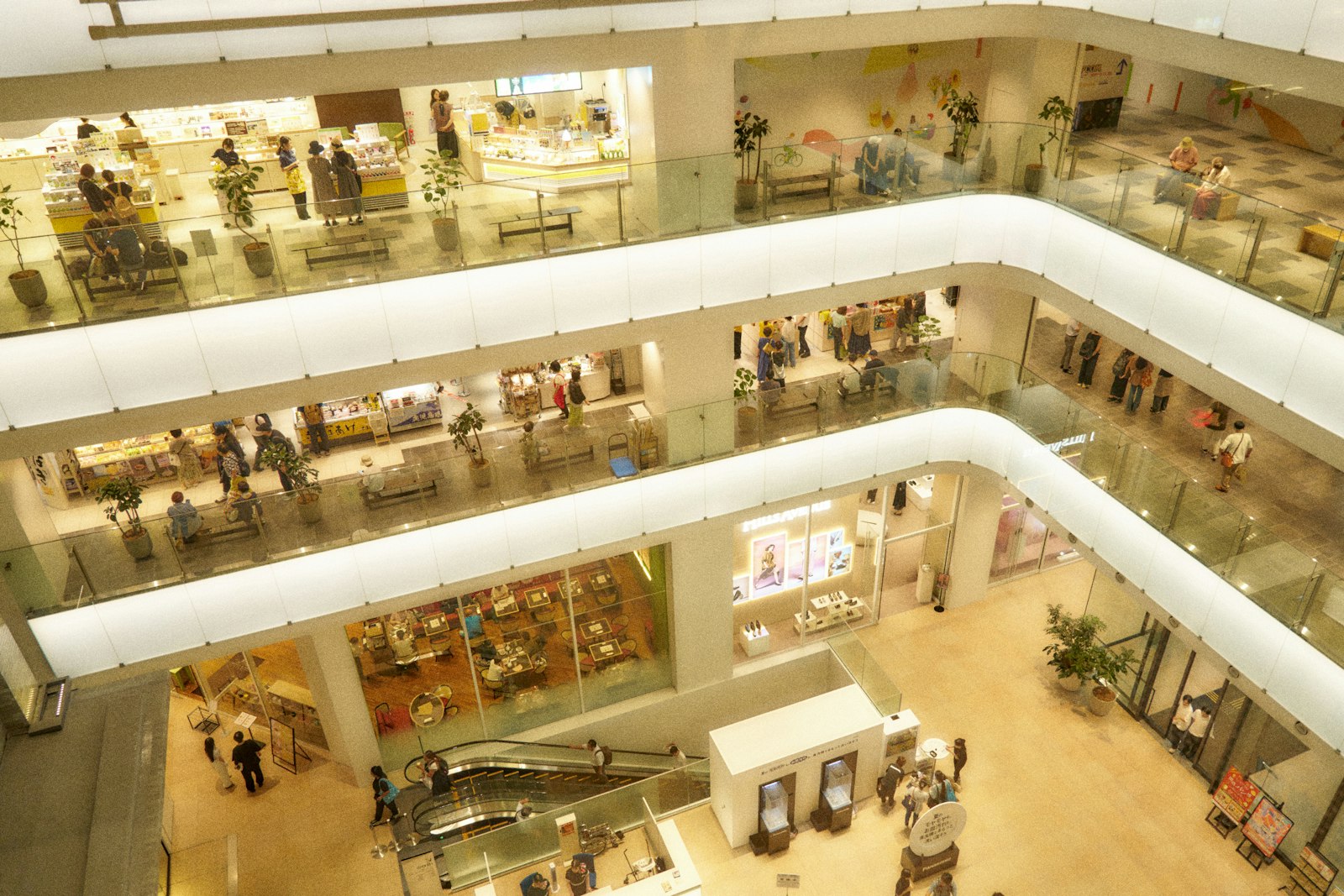
Running a retail store involves constant decision-making, customer interaction, and operational responsibility. Whether you sell apparel, electronics, or specialty goods, your business faces risks that can result in unexpected financial losses.
Commercial insurance helps protect retail store owners from events such as customer injuries, property damage, theft, and business interruptions. While insurance can feel complex at first, understanding the basics makes it easier to choose coverage that supports long-term stability and growth.
What Is Commercial Insurance?
Commercial insurance refers to a group of policies designed to protect a business’s property, operations, employees, and financial interests.
For retail stores, this protection may include coverage for customer accidents, inventory damage, income loss after a disruption, or employee injuries. Policies are typically customized based on store size, location, merchandise type, and staffing levels. The goal is to reduce financial exposure so owners can focus on serving customers and growing the business.
Why Retail Stores Need Commercial Insurance
Retail environments naturally involve risk. High foot traffic increases the chance of customer injuries, physical locations are vulnerable to theft or weather damage, and employees face job-related injury risks.
Without insurance, these incidents can lead to significant out-of-pocket expenses and legal exposure. The right coverage helps businesses recover faster, manage liability, and meet legal or lease requirements. Insurance is not just protection. It is a core part of responsible retail operations.
Types of Commercial Insurance for Retailers
General Liability Insurance
General liability insurance protects against third-party claims involving bodily injury, property damage, and certain advertising-related issues.
For example, if a customer trips over a display and requires medical treatment, general liability coverage can help pay medical costs and legal fees. This policy is the foundation of most retail insurance plans.
Commercial Property Insurance
Property insurance covers physical assets such as buildings, inventory, fixtures, shelving, and equipment.
Events like fires, burst pipes, vandalism, or severe storms can cause extensive damage. Property insurance helps repair or replace damaged assets, allowing stores to reopen more quickly after a loss.
Business Interruption Insurance
Business interruption insurance replaces lost income when a covered event forces your store to close temporarily.
It can help cover ongoing expenses such as rent, payroll, utilities, and loan payments while repairs are underway. For retailers that rely on daily sales, this coverage can be critical to long-term survival.
Workers’ Compensation Insurance
Most states require retail businesses with employees to carry workers’ compensation insurance.
This policy covers medical expenses and lost wages for employees injured on the job and helps protect businesses from lawsuits related to workplace injuries. Beyond compliance, it supports employee safety and financial stability.
Determining the Right Coverage for Your Retail Store
Assessing Business Risks
Every retail store has a unique risk profile. Begin by identifying vulnerabilities tied to your location, products, and operations.
Ask yourself:
- Is your store in a flood- or storm-prone area?
- Do you sell high-value or theft-prone merchandise?
- Does your business rely heavily on foot traffic?
- Are specialized displays or equipment essential to operations?
These answers help determine which coverages and limits make sense.
Evaluating Coverage Limits
Coverage limits should reflect:
- Replacement value of inventory and equipment
- Potential liability exposure
- Financial impact of lost income during closures
Choosing limits that are too low may reduce premiums short term but increase financial risk during a claim.
Choosing an Insurance Provider
Researching Providers
Look for insurers with experience serving retail businesses. Providers familiar with retail operations are more likely to understand industry-specific risks and coverage needs.
Check financial strength ratings and customer reviews to assess reliability and claims performance.
Comparing Quotes and Coverage
Obtaining multiple quotes helps identify differences in pricing, deductibles, exclusions, and coverage limits. A lower premium is only valuable if it still provides adequate protection.
Cost Considerations for Retail Insurance
What Affects Premiums
Insurance costs vary based on:
- Store location and size
- Type and value of merchandise
- Employee count and payroll
- Claims history
- Security and safety measures
Insurers use these factors to assess overall risk.
Managing Insurance Costs
Retailers can often lower costs by:
- Bundling policies into a Business Owner’s Policy (BOP)
- Maintaining strong safety and loss-prevention practices
- Reviewing coverage annually
- Adjusting deductibles where financially appropriate
Understanding the Claims Process
Filing a Claim
When an incident occurs:
- Document damage or injuries immediately
- Take photos and gather witness information
- Notify your insurer promptly
Timely reporting helps avoid delays or disputes.
Supporting a Smooth Resolution
Respond quickly to insurer requests, keep organized records, and maintain open communication with claims adjusters. Preparation often makes the claims process faster and less stressful.
Final Thoughts
Commercial insurance plays a vital role in protecting retail businesses from financial uncertainty. While coverage options can seem complex, understanding key policy types and assessing risk thoughtfully helps store owners make confident decisions.
With the right insurance strategy, retail businesses can operate with greater resilience, prepared for unexpected challenges while focusing on customer experience and growth.
Choosing the right insurance coverage can make a meaningful difference when unexpected events occur. Reviewing your retail insurance options now can help ensure your store, inventory, and operations are properly protected.