Running a business comes with risk. Some expected, some unavoidable. Whether you operate a storefront, provide professional services, or manage company vehicles, unexpected events can disrupt operations, damage assets, or lead to costly legal claims. Business insurance exists to absorb those financial shocks and keep your company moving forward.
Understanding the different types of business insurance helps you protect your assets, comply with legal requirements, and build long-term stability. Each policy serves a specific purpose, and together they form a safety net tailored to your operation.
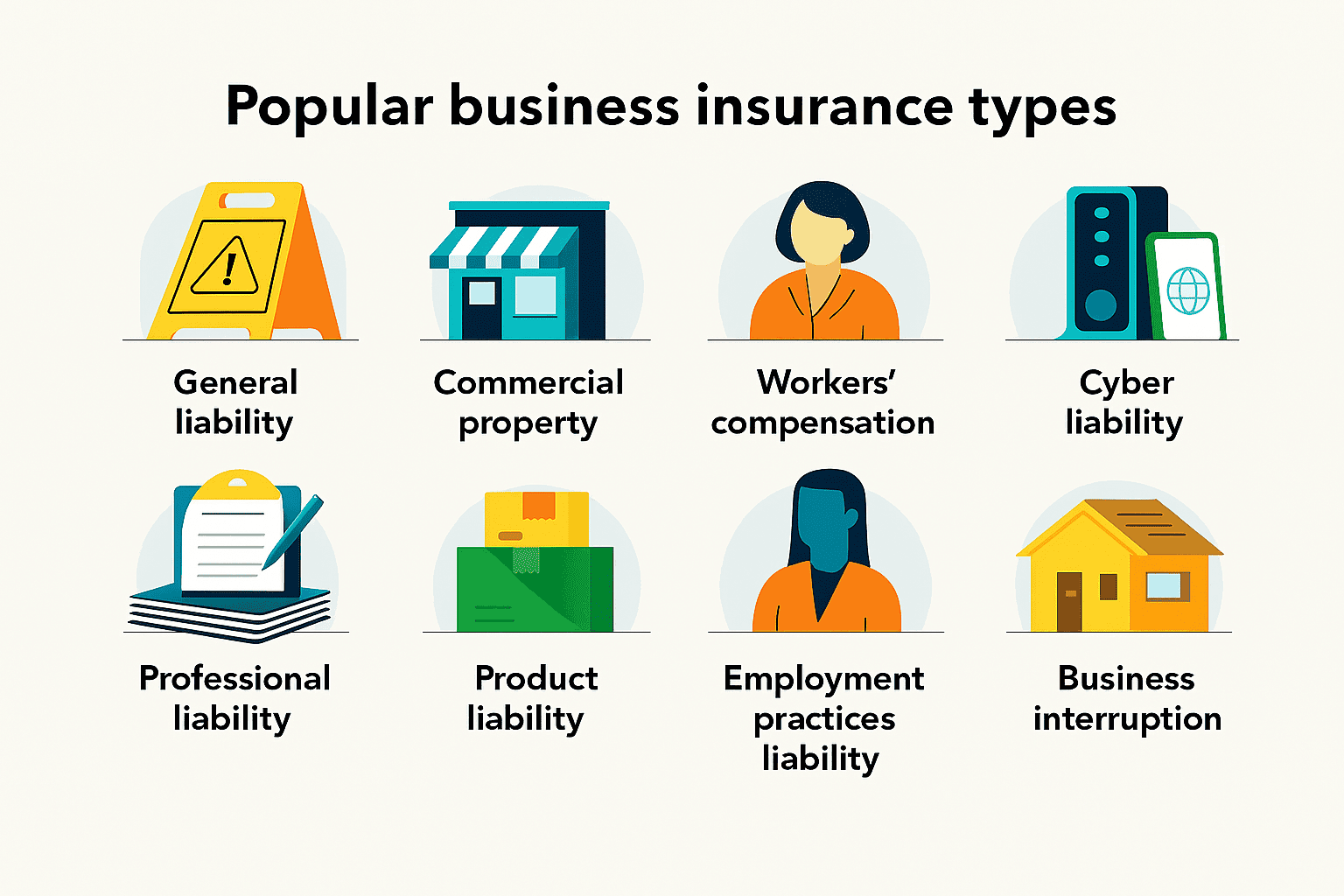
General Liability Insurance
General liability insurance is the foundation of most business insurance portfolios. It protects against third-party claims involving bodily injury, property damage, and personal injury.
Examples include:
- A customer slipping and falling on your premises
- An employee accidentally damaging a client’s property
- Claims related to advertising injury or reputational harm
This coverage typically pays for legal defense, settlements, and medical costs. Many landlords, vendors, and clients require proof of general liability insurance before doing business.
Commercial Property Insurance
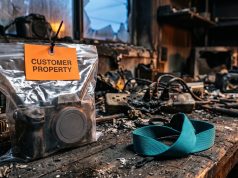
Commercial property insurance covers physical assets such as buildings, equipment, inventory, furniture, and signage. It helps pay for repairs or replacement after events like fire, theft, vandalism, or certain natural disasters.
Whether you own or lease your workspace, property insurance protects your operational backbone and helps you recover without draining working capital.
Workers’ Compensation Insurance
Workers’ compensation insurance is legally required in most states once you hire employees. The U.S. Small Business Administration lists it alongside unemployment and disability insurance as coverage the federal government requires of employers. It covers medical expenses, rehabilitation costs, and lost wages if an employee is injured or becomes ill due to work-related activities.
In addition to supporting injured workers, it protects employers from lawsuits tied to workplace injuries. For businesses in construction, manufacturing, healthcare, or logistics, this coverage is essential.
Professional Liability Insurance (Errors & Omissions)
Professional liability insurance, often called E&O, covers claims related to mistakes, negligence, or failure to deliver services as promised.
This coverage is especially important for:
- Consultants and advisors
- Accountants and financial professionals
- Designers, engineers, and healthcare providers
If a client claims your advice or services caused financial harm, professional liability insurance helps cover legal defense and settlements.
Cyber Liability Insurance
Cyber liability insurance protects businesses from digital threats such as data breaches, ransomware attacks, and system failures. The Federal Trade Commission recommends a policy that covers data breaches, cyber attacks on data held by vendors, and a duty to defend you in a lawsuit or regulatory investigation. Coverage may include:
- Customer notification costs
- System recovery and data restoration
- Legal defense and regulatory fines
- Crisis management and public relations support
As businesses increasingly rely on digital tools and customer data, cyber coverage has become critical, even for small companies.
Commercial Auto Insurance
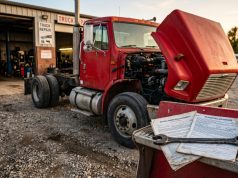
Commercial auto insurance covers vehicles used for business purposes, including company-owned cars, service vans, and delivery trucks. It provides liability protection, vehicle damage coverage, and medical benefits after accidents.
Personal auto policies typically exclude business use, making commercial auto coverage necessary even for sole proprietors using a vehicle for work-related tasks.
Business Interruption Insurance
Business interruption insurance helps replace lost income when operations are temporarily shut down due to a covered event, such as a fire or storm. It can cover:
- Lost revenue
- Rent and loan payments
- Payroll and operating expenses
This coverage is vital for businesses with physical locations or tight cash flow, helping them survive disruptions without permanent closure.
Product Liability Insurance
Product liability insurance protects businesses that manufacture, distribute, or sell physical products. It covers claims related to defective or unsafe products that cause injury or property damage.
This coverage helps manage legal risk, protects brand reputation, and is often required by vendors or distributors.
Employment Practices Liability Insurance (EPLI)
EPLI covers claims related to employment issues such as:
- Wrongful termination
- Discrimination or harassment
- Retaliation or wage disputes
As employment laws evolve, EPLI provides protection against HR-related claims that can be costly and time-consuming to defend.
Final Takeaway
Business insurance is not one-size-fits-all. The right coverage depends on your industry, size, operations, and risk exposure. Understanding how each policy works allows you to build an insurance portfolio that protects your assets, supports compliance, and safeguards your livelihood.
The goal is not to over-insure. It is to insure smartly.
Choosing the right business insurance starts with understanding your risks and matching coverage to how you operate.
Reviewing your options now can help you avoid gaps, reduce unnecessary costs, and protect your business with confidence.