Running a restaurant means juggling fast-paced operations, staff safety, customer satisfaction, and compliance, all while managing daily risks. From slippery floors to equipment failures, even small incidents can lead to costly claims or downtime if you’re not prepared.
That’s why restaurant risk management and insurance go hand in hand. The right coverage helps protect your business when unexpected issues arise, while proactive safety practices reduce the likelihood of problems in the first place.
Let’s break down the most common risks restaurants face and how insurance helps minimize them.
Understanding Risks in the Restaurant Industry
Restaurants encounter a wide range of operational risks every day, including:
- Slip-and-fall accidents involving customers or employees
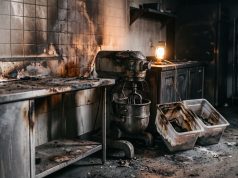
- Fires caused by kitchen equipment or grease buildup
- Foodborne illness claims linked to improper handling or storage
- Employee injuries from burns, cuts, or repetitive strain
- Theft, vandalism, or data breaches through POS systems
Even a single incident can result in medical bills, legal fees, lost revenue, or reputational damage. Without insurance, these costs often come directly out of pocket.
Why Insurance Is Essential for Restaurants
Restaurant insurance acts as a financial safety net. When accidents happen, coverage helps absorb the impact so one claim doesn’t derail your business.
The right policies allow you to:
- Protect your physical assets and equipment
- Cover legal and medical costs tied to customer claims
- Support injured employees and reduce turnover
- Meet state, local, and contractual insurance requirements
Without adequate coverage, a serious incident could threaten your restaurant’s ability to stay open.
Essential Insurance Policies for Restaurants
A comprehensive restaurant insurance plan includes multiple layers of protection. Each policy addresses a different type of risk.
General Liability Insurance
General liability insurance is the foundation of restaurant coverage. It protects your business if a customer is injured or their property is damaged due to your operations.
Common examples include:
- A customer slipping on a wet floor
- A server spilling wine on a guest’s belongings
- A food-related illness claim
This policy typically covers medical expenses, legal defense, and settlements. However, it does not cover employee injuries or damage to your own property.
Property Insurance
Property insurance protects your restaurant’s physical assets, including:
- Kitchen equipment and appliances
- Furniture, décor, and signage
- POS systems and inventory
- The building itself, if you own it
Coverage usually applies to losses caused by fire, theft, vandalism, or certain weather events. Without property insurance, replacing damaged equipment or inventory could put serious strain on cash flow.
Workers’ Compensation Insurance
Workers’ compensation insurance is required in most states for restaurants with employees. It covers work-related injuries and illnesses, such as:
- Burns from hot surfaces or liquids
- Slips and falls in the kitchen
- Repetitive strain injuries
This policy pays for medical care, rehabilitation, and lost wages while also protecting your business from employee injury lawsuits.
Evaluating Your Restaurant’s Insurance Needs
No two restaurants operate the same way. Your coverage should reflect your specific risk profile.
Key Factors to Consider
- Location: Flood zones, crime rates, and local regulations
- Cuisine type: Raw or high-risk foods increase liability exposure
- Layout: Large dining areas, patios, or bars raise slip-and-fall risks
- Alcohol service: Serving alcohol increases liability and may require additional coverage
Understanding these variables helps ensure you’re not underinsured, or paying for coverage you don’t need.
Working With an Insurance Professional
An insurance agent experienced in restaurant coverage can:
- Identify gaps in your current policy
- Recommend coverage limits based on your operations
- Bundle policies to help control costs
- Adjust coverage as your restaurant grows
This guidance is especially valuable in an industry with narrow margins and high exposure.
Reducing Risk Through Daily Operations
Insurance helps when something goes wrong, but prevention plays an equally important role.
Implement Safety Protocols
Simple measures can significantly reduce claims:
- Place wet floor signs immediately after cleaning
- Conduct routine equipment inspections
- Maintain clear walkways and exits
- Enforce proper food storage and sanitation procedures
Invest in Ongoing Staff Training
Regular training keeps safety top of mind. Focus on:
- Proper lifting and equipment use
- Fire safety and emergency response
- Food handling and temperature control
- Responsible alcohol service
A well-trained team is one of the most effective tools for minimizing accidents.
Using Technology to Support Risk Management
Modern tools can further reduce exposure.
Surveillance systems deter theft, document incidents, and support claims investigations.
Inventory management software helps reduce spoilage, theft, and ordering errors, improving both safety and profitability.
Real-World Lessons From Restaurant Owners
A small diner reduced slip-and-fall claims by upgrading flooring, improving lighting, and retraining staff, leading to fewer incidents and lower premiums.
A food truck owner recovered quickly from a grease fire thanks to tailored property insurance and used the experience to improve safety systems and training.
Preparation doesn’t just reduce losses. It strengthens long-term resilience.
Final Thoughts: Protecting Your Restaurant Proactively
Restaurant risks are unavoidable, but financial damage doesn’t have to be.
Key takeaways:
- General liability, property, and workers’ comp form the core of restaurant insurance
- Coverage should be customized to your operations
- Daily safety practices and training reduce claims
- Technology supports prevention and documentation
Insurance is not just protection. It’s a commitment to professionalism, safety, and long-term success.
Running a restaurant comes with enough surprises. Your insurance coverage shouldn’t be one of them.
Reviewing your current policy or comparing options can help ensure your restaurant is protected against common risks like customer injuries, property damage, and employee accidents.