Running a retail business means juggling inventory, employees, customers, and daily operations, all while managing risk. From customer injuries to inventory loss, unexpected events can create serious financial setbacks if your business isn’t properly insured.
The right insurance coverage helps protect your retail operation, supports long-term stability, and allows you to recover faster when problems arise. This guide walks through how to assess your risks, understand essential coverage types, and choose insurance that aligns with how your store actually operates.
Why Retail Businesses Need Insurance
Every retail store faces exposure, regardless of size or location. A single incident, such as a customer slipping on a wet floor or a fire damaging inventory, can lead to costly claims and business disruption.
Insurance does more than cover financial losses. It helps preserve cash flow, protects your reputation, and allows your store to reopen quickly after unexpected setbacks.
Core Insurance Coverage for Retail Businesses
Most retail operations rely on a combination of foundational policies. These form the backbone of a solid protection plan.
General Liability Insurance
General liability insurance protects your business from claims involving customer injuries or property damage. For example, if a shopper trips over a display or is injured in your store, this coverage helps pay for medical costs, legal fees, and settlements.
Commercial Property Insurance
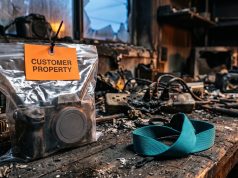
This coverage protects physical assets such as inventory, shelving, point-of-sale systems, signage, and equipment. Fires, theft, vandalism, and certain weather events are common triggers for property claims in retail environments.
Workers’ Compensation Insurance
Required in most states, workers’ compensation covers employee injuries related to work activities. Retail staff often face risks from lifting inventory, repetitive motions, and long hours on their feet.
Business Interruption Insurance
If a covered event forces your store to close temporarily, business interruption insurance helps replace lost income and cover ongoing expenses like rent and payroll during recovery.
Cyber Liability Insurance
Retailers that process credit cards, store customer data, or operate online stores face growing cyber risks. Cyber liability insurance helps cover data breach response costs, legal expenses, and customer notification requirements.
How to Assess Your Retail Insurance Needs
Identify Your Business-Specific Risks
Retail risks vary widely depending on what you sell and how you operate. A jewelry store faces higher theft exposure than a clothing boutique, while a grocery store may have increased slip-and-fall risk.
Ask yourself:
- Do you sell high-value or theft-prone merchandise?
- Is your store located in a flood, storm, or high-crime area?
- Do you host in-store events or demonstrations?
- Do you collect customer data through POS or e-commerce systems?
Clear answers help identify where additional coverage may be necessary.
Factor in Business Size and Revenue
Coverage limits should reflect the size of your operation. A single-location shop with modest inventory needs different limits than a multi-location retailer with high daily foot traffic and significant stock.
Location also matters. Urban stores often face higher liability exposure, while rural or coastal locations may be more vulnerable to weather-related claims.
Comparing Retail Insurance Policies Effectively
When evaluating policies, price alone shouldn’t drive your decision.
Key Details to Review
Coverage limits
Make sure limits reflect worst-case scenarios, especially for inventory and liability.
Deductibles
Higher deductibles reduce premiums but increase out-of-pocket costs during claims.
Exclusions
Floods, earthquakes, and cyber incidents often require separate endorsements.
Balancing affordability with meaningful protection is critical for long-term stability.
Working With Insurance Providers
Before speaking with an agent or broker, gather accurate business information:
- Annual revenue
- Payroll totals
- Inventory value
- Lease or property details
- Prior claims history
Smart Questions to Ask
- Are there retail-specific endorsements I should consider?
- How does the claims process work?
- Can coverage scale as my business grows?
- Are bundling discounts available through a BOP?
A knowledgeable agent helps identify gaps you may not notice on your own.
Review and Update Coverage Regularly
Retail operations change over time. Annual reviews help ensure coverage keeps pace with growth.
Revisit your policy if you:
- Increase inventory levels
- Add employees
- Expand store hours or locations
- Launch e-commerce or delivery services
Failing to update coverage is one of the most common and costly mistakes retailers make.
Final Takeaway
Choosing the right insurance coverage for your retail business requires more than checking a box. It involves understanding risk, selecting appropriate limits, and updating coverage as your operations evolve.
When insurance is aligned with your real-world exposure, it becomes a strategic tool, not just a compliance requirement.
Protect your retail business before unexpected events disrupt operations. Reviewing your coverage now can help identify gaps and ensure your policy matches your inventory, foot traffic, and growth plans.
Related: filing a property claim