Commercial insurance for restaurants is more than a legal requirement. It is a critical safety net that protects your business from the unexpected. From kitchen fires to customer injuries, restaurant owners face risks that can disrupt operations or threaten long-term viability.
This guide breaks down the essential types of restaurant insurance, explains how claims work, and helps you build coverage that fits your operation, whether you run a food truck, café, or high-volume dining establishment.
Why Restaurant Insurance Matters
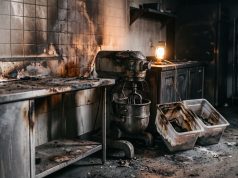
Restaurants operate in high-risk environments. Open flames, sharp tools, heavy foot traffic, and fast-paced work all increase exposure to accidents and claims.
Without proper insurance, a single incident, such as a grease fire or customer lawsuit, can result in devastating financial losses. Many landlords, lenders, and vendors also require proof of coverage before doing business with restaurants.
Insurance does more than protect against losses. It supports continuity, credibility, and peace of mind.
Common Risks Restaurants Face
Restaurants encounter daily operational hazards, including:
- Kitchen fires and equipment malfunctions
- Slip-and-fall injuries in dining or restroom areas
- Foodborne illness claims
- Employee injuries from burns, cuts, or repetitive strain
- Theft, vandalism, or data breaches involving POS systems
Even minor incidents can escalate into costly claims if not properly insured.
Essential Types of Restaurant Insurance
General Liability Insurance
General liability insurance is the foundation of restaurant coverage. It protects against claims involving customer injuries, property damage, and certain advertising-related issues.
If a guest slips on a wet floor and requires medical treatment, this policy helps cover medical bills, legal fees, and settlements.
Commercial Property Insurance
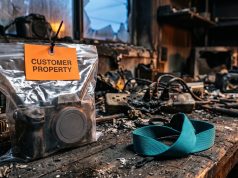
Property insurance protects your physical assets, including kitchen equipment, furniture, signage, and inventory. It helps cover repair or replacement costs after events such as fires, storms, vandalism, or theft.
Restaurants with expensive appliances or build-outs rely on this coverage to recover quickly after physical damage.
Workers’ Compensation Insurance
Workers’ compensation is required in most states and covers employees injured on the job. It pays for medical care, rehabilitation, and partial wage replacement while protecting employers from injury-related lawsuits.
Given the physical demands of restaurant work, this coverage is essential.
Business Interruption Insurance
If a covered event forces your restaurant to close temporarily, business interruption insurance helps replace lost income and cover ongoing expenses like rent, utilities, and payroll.
This coverage can be the difference between reopening and permanent closure after a disaster.
Product Liability Insurance
Product liability insurance protects against claims related to food or beverage-related illness or injury. Even when contamination originates with a supplier, restaurants can still be held responsible.
This policy helps cover legal defense costs and settlements tied to food safety claims.
Choosing the Right Coverage for Your Restaurant
Every restaurant has unique risks. Coverage should reflect:
- Cuisine type and cooking methods
- Location and local weather or crime risks
- Customer volume and seating layout
- Alcohol service
- Number of employees
Many restaurants benefit from bundled policies that combine liability, property, and workers’ compensation for broader protection at lower cost.
Understanding Insurance Costs
Restaurant insurance premiums vary based on:
- Location and building size
- Equipment value
- Claim history
- Coverage limits and deductibles
- Alcohol service or late-night hours
Improving safety protocols, installing fire suppression systems, and maintaining a clean claims history can help reduce premiums over time.
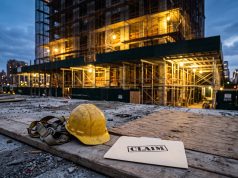
The Claims Process: What to Expect
If an incident occurs:
- Document everything immediately
- Notify your insurer promptly
- Submit required forms and evidence
- Cooperate with adjusters during inspections
Most claims are resolved within a few weeks, depending on complexity. Clear documentation and fast reporting improve outcomes.
Common Restaurant Insurance Mistakes
- Carrying minimum coverage that fails during major losses
- Not updating policies after renovations or menu changes
- Ignoring exclusions such as flood or equipment wear-and-tear
- Overlooking business income protection
Annual reviews help prevent costly coverage gaps.
Final Takeaway
Restaurant insurance is not optional. It is a core part of running a sustainable food business. The right coverage protects your staff, customers, property, and income when the unexpected happens.
Treat insurance as a living part of your business strategy, not a one-time purchase.
Restaurant insurance should match the way you actually operate. Reviewing your coverage now can help prevent costly gaps and protect your business before problems arise.