6 min read · Last updated June 24, 2026
In this article
- Why the dorm was covered and the apartment was not
- What a renters policy actually fixes
- The roommate trap and the limits that decide a payout
- Frequently asked questions
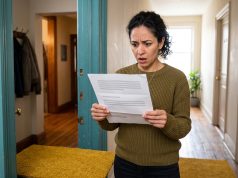
Marguerite Boone was a 20-year-old junior who moved out of the dorms and into a two-bedroom apartment near campus. Three weeks in, someone forced the door while she was in class and took her laptop, tablet, and a few other items worth about $4,300. She called her parents, who called their homeowners insurer, confident the loss was covered the way it would have been in the dorm. It was not. The adjuster explained that once Marguerite signed an off-campus lease, the policy that had protected her freshman year no longer reached her.
This gap catches families every fall. The belief that a parent’s policy follows a student wherever they live is reasonable, and it is also wrong in most cases. The coverage depends on where the student sleeps and how the insurer defines a dependent.
Why the dorm was covered and the apartment was not
A standard homeowners policy extends a slice of its personal property coverage to belongings located away from the home. The common limit is 10% of the policy’s total personal property amount, or a set floor like $1,000, whichever is greater. So a policy with $100,000 in contents coverage might protect up to $10,000 of a student’s belongings while they are away at school.
But that off-premises extension comes with conditions most parents never read. Insurers generally apply it to a student who is a full-time enrolled dependent, often under age 24, living in university-owned housing such as a dorm. That is the freshman in a residence hall. The moment the student signs a lease on a private off-campus apartment, many carriers treat the apartment as a separate residence that the homeowners policy does not cover. The landlord’s policy covers the building, not the tenant’s possessions. So the laptop, the furniture, and everything else sit uninsured.
That is exactly where Marguerite landed. She was still her parents’ dependent, still enrolled full time, but she was living in a leased apartment the insurer did not recognize as covered. The dorm version of her would have been protected. The off-campus version was not.
What a renters policy actually fixes
A renters policy closes the gap for the cost of a couple of streaming subscriptions. For roughly $10 to $15 a month, it covers a student’s belongings against theft, fire, and other named perils, usually anywhere they go, not just at the apartment. Price varies a lot by location. Belongings in a high-crime urban area cost more to insure than the same items in a quiet college town.
The coverage that parents underrate is liability. Renters policies typically include personal liability starting around $100,000. If a guest is injured in the apartment, or the student accidentally causes a kitchen fire that damages the unit next door, that liability coverage responds. A stolen laptop is a bad week. A six-figure liability claim with no coverage is a financial event that follows a 20-year-old for years.
The roommate trap and the limits that decide a payout

Here is the roommate trap. Renters insurance does not automatically cover everyone in the apartment. One roommate’s policy protects that roommate’s property and liability, not the other tenants. Two roommates who assume they are sharing one policy can both be wrong at claim time. Each tenant needs their own policy, or both names must appear on a shared one, which gets messy when belongings and claims have to be split. The cleaner answer is one policy per student. It is worth understanding how renters insurance handles roommate situations before signing anything together.
Before buying, two more details matter. Electronics and jewelry often carry sub-limits, so a student with an expensive laptop and camera gear may need to schedule those items for full coverage. And the difference between actual cash value and replacement cost decides whether a two-year-old laptop pays out at its depreciated worth or what a new one costs. Our guides on what renters insurance covers and what it does not and how much renters insurance costs lay out both before you choose limits.
Moving a student off campus this year?
Compare renters policies that cover belongings and add $100,000 in liability for about the price of two coffees a week.
Compare Renters Insurance →Frequently asked questions
Does my homeowners insurance cover my child’s off-campus apartment? Usually not. The off-premises extension on a homeowners policy is built for a dependent student living in university housing like a dorm. Once the student signs an off-campus lease, most insurers treat the apartment as a separate residence the policy does not cover. Confirm your specific policy language with your carrier.
Is renters insurance required for college students? It is not required by law and most colleges do not require it for dorms. But many off-campus landlords require each tenant to carry a renters policy as a condition of the lease, and even when they do not, the small cost beats absorbing a theft or fire loss yourself.
How much does renters insurance cost for a student? Typically about $10 to $15 a month, though it varies widely by state and the value of belongings. A student in a high-crime urban area will pay more than one in a low-cost college town.
Do my roommate and I need separate renters policies? Generally yes. A renters policy covers the named policyholder’s belongings and liability, not a roommate’s. The simplest approach is one policy per tenant rather than trying to share one and split claims later.
Does renters insurance cover belongings outside the apartment? Usually yes. Most renters policies cover personal property anywhere, so a laptop stolen from the library or a backpack taken from a car can be covered, subject to the deductible and any item sub-limits.
The day a student signs an off-campus lease is the day a parent’s homeowners policy quietly stops following them. A renters policy is one of the cheapest ways to close that gap, and the families who skip it usually find out the price of the gap on the worst possible day.