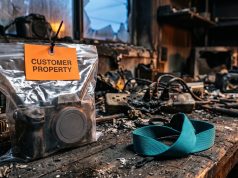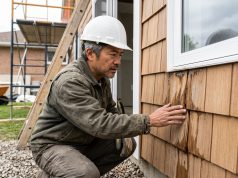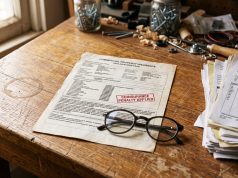
If you run a home service business, plumbing, cleaning, HVAC, landscaping, pest control, or similar trades, every job carries risk. Even small mistakes can lead to costly claims, ranging from property damage to personal injury. That’s why liability insurance is not optional. It’s essential.
Liability insurance for home service providers acts as a financial safety net. It protects your business when accidents happen and helps ensure that one incident doesn’t undo years of hard work, reputation-building, and client trust.
Why Liability Insurance Is Essential
No matter how experienced you are, things can go wrong. Liability insurance protects your business when they do.
Common real-world scenarios include:
- A plumber accidentally floods a client’s basement
- A contractor’s ladder falls and injures a passerby
- A house cleaner breaks an expensive item during a job
Without insurance, you’re responsible for paying these costs out of pocket. For many small service businesses, even one claim can cause serious financial strain, or force the business to shut down.
What Liability Insurance Typically Covers
Liability insurance generally protects against third-party claims involving:
- Bodily injury (injuries to clients or others)
- Property damage caused during work
- Legal defense costs
- Settlements or court judgments
Beyond financial protection, having insurance builds trust. Clients are more likely to hire providers who are insured, bonded, and prepared for the unexpected.
Types of Liability Insurance for Home Service Businesses
Not all liability coverage is the same. The right policy depends on the services you provide.
General Liability Insurance
This is the foundation for most home service providers.
It typically covers:
- Slip-and-fall injuries on a client’s property
- Accidental property damage during a job
- Advertising-related claims, such as defamation
Example: A painter spills paint on a client’s carpet. General liability insurance can help cover replacement costs.
Professional Liability Insurance (Errors & Omissions)
Professional liability applies when mistakes cause financial loss, not physical damage.
It may cover situations where:
- Work is performed incorrectly
- Advice or recommendations that lead to financial harm
Example: An HVAC technician misdiagnoses a system issue, leaving a homeowner without heat for days. Professional liability insurance can help cover legal defense and settlements.
This coverage is especially important for inspectors, consultants, and specialized technicians.
Product Liability Insurance
If your business sells or installs products, product liability insurance protects you if a product fails and causes injury or damage.
Example: A faulty water heater you installed leaks, damaging a home’s interior. Product liability insurance can help cover repair costs and claims.
This is especially relevant for installers, contractors, and businesses working with equipment, chemicals, or appliances.
How to Assess Your Liability Insurance Needs
Choosing the right coverage starts with understanding your risks.
Evaluate Your Business Risks
Ask yourself:
- What services do I provide?
- What tools, equipment, or chemicals do I use?
- How often do I work inside clients’ homes?
- Do I use employees or subcontractors?
Risk profiles vary. Electricians face fire hazards, landscapers face equipment-related injuries, and cleaners face accusations of damage or theft. Your coverage should reflect these realities.
Work With an Insurance Agent Who Knows Your Trade
An agent familiar with home service businesses can:
- Identify coverage gaps
- Recommend appropriate limits
- Bundle policies to reduce costs
Avoid generic policies that don’t account for industry-specific risks.
Cost of Liability Insurance for Home Service Providers
What Affects Your Premium
Insurance costs are influenced by:
- Type of service provided
- Business location
- Coverage limits
- Claims history
- Number of employees
Most home service businesses pay $400–$1,500 per year for basic general liability coverage. Additional policies increase the total cost but also increase protection.
Ways to Reduce Insurance Costs
You may be able to lower premiums by:
- Bundling multiple policies
- Choosing a higher deductible
- Documenting safety training and procedures
- Maintaining a clean claims history
Annual policy reviews help ensure you’re not overpaying or underinsured.
Choosing the Right Insurance Provider
What to Look For
Choose an insurer that:
- Specializes in home service businesses
- Offers flexible, scalable coverage
- Has strong financial ratings
- Provides responsive claims support
Customer reviews and industry referrals are valuable indicators.
Questions to Ask Before You Buy
- What coverage is required for my specific services?
- Are subcontractors covered?
- Are discounts available?
- How easy is it to update coverage as my business grows?
Clear answers now help prevent costly surprises later.
Handling Claims and Coverage Issues
Filing a Claim
If an incident occurs:
- Document everything
- Notify your insurer immediately
- File police reports if required
- Cooperate fully during the investigation
Prompt reporting helps claims move faster and more smoothly.
Resolving Coverage Disputes
If questions arise:
- Review your policy carefully
- Maintain detailed job records
- Seek professional guidance if needed
Good documentation is your strongest defense.
Final Takeaway: Protect Your Business Before a Claim Happens
Liability insurance is essential for home service providers. It protects your finances, reputation, and ability to keep operating after an accident.
As your business grows, your risks change. Regular policy reviews ensure your coverage reflects the work you do today, not years ago.
Running a home service business comes with risks, but the right insurance can protect everything you’ve built.
👉 Compare liability insurance options for home service providers
Related: umbrella coverage