8 min read · Last updated June 12, 2026
In this article
- What dram shop liability actually is
- The general liability exclusion that creates the gap
- Which states allow dram shop claims
- What liquor liability coverage costs and what it pays
- What owners should check this week
- FAQ
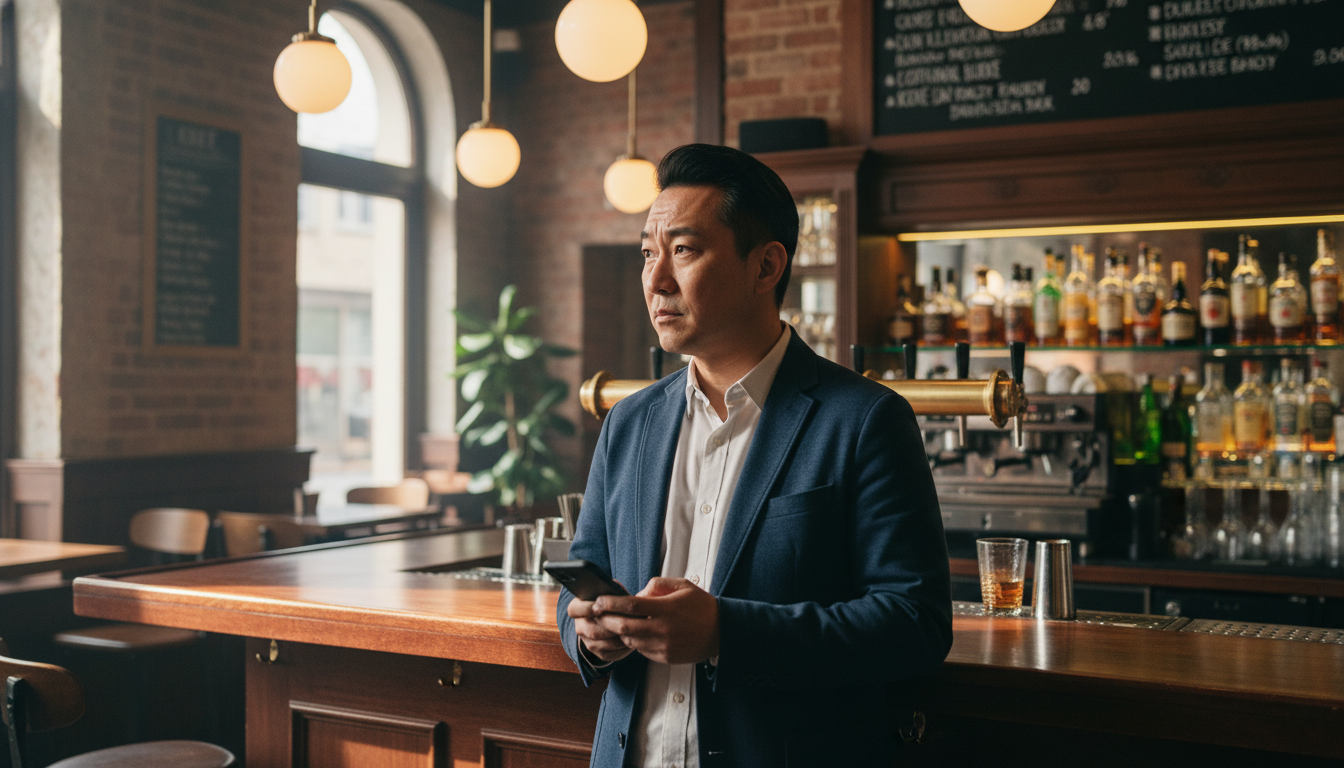
Daniel Cho owned a 60-seat gastropub outside Columbus, Ohio. On a Friday night, a regular ran a tab through four hours, left visibly impaired, and crashed into another car six blocks away. The other driver suffered a spinal injury. The injured driver’s attorney sued the driver and, under Ohio’s dram shop law, named Daniel’s pub as a defendant for continuing to serve a visibly intoxicated patron. The claim settled at $850,000. Daniel called his insurance agent expecting his general liability policy to respond. It did not. His CGL policy carried a liquor liability exclusion, and he had never purchased a separate liquor liability policy. The pub paid its share out of business assets and a personal guarantee, and closed within the year.
What dram shop liability actually is
Dram shop liability is the legal principle that a business serving alcohol can be held responsible for harm caused by a customer it over-served. The name comes from the old term “dram shop,” a bar that sold spirits by a unit called a dram.
The theory is that the establishment had control over the last drinks served and a duty not to serve someone already visibly intoxicated, or anyone underage. When that duty is breached and a third party is injured, often in a car crash, the injured party can pursue the business in addition to the drunk driver.
In plain terms: if your bartender keeps serving a customer who is slurring and stumbling, and that customer kills or injures someone after leaving, the victim’s lawyer can come after your business, not just the driver. The driver is usually underinsured or uninsured, so the business with a liquor license and an insurance policy becomes the deeper pocket.
Dram shop claims are not limited to car crashes. They include bar fights, falls, and any third-party injury traced back to the over-service. They also extend to serving minors, which carries its own statutory penalties on top of the civil exposure.
The general liability exclusion that creates the gap
Here is the part that surprises most owners. A commercial general liability policy is the base coverage almost every business carries. It covers slip-and-falls, property damage, and routine bodily injury claims. But the standard CGL form (the ISO CG 00 01) contains a liquor liability exclusion.
That exclusion removes coverage for bodily injury or property damage for which the insured may be held liable because it manufactured, sold, served, or furnished alcohol, or because it violated a law relating to alcohol. The exclusion applies specifically to businesses that are in the business of selling or serving alcohol, which is exactly what a bar or restaurant is.
This is the trap. A restaurant owner buys a CGL policy, sees “general liability,” and assumes general means everything. It does not. The single largest catastrophic exposure a bar faces, the dram shop claim, is carved out of the policy by design. The carrier expects the establishment to buy a separate liquor liability policy to fill that gap.
The related coverage worth understanding is the assault and battery exclusion that appears on many liquor liability policies. Buying liquor liability does not automatically cover a bar fight if the policy excludes assault and battery. These are two distinct gaps, and an owner has to confirm both are closed.
Which states allow dram shop claims
Dram shop liability is set by state law, and the rules vary widely. About 43 states plus the District of Columbia have some form of dram shop statute or case law that allows a third party to sue an alcohol-serving business. A small number of states, including Delaware, Nevada, South Dakota, and Virginia, sharply limit or do not recognize commercial dram shop liability.
Even among the states that allow these claims, the standard of proof differs. Some states require the plaintiff to prove the establishment served someone who was “visibly” or “obviously” intoxicated. Others impose liability more readily when a minor was served. Some cap damages, and others do not.
In plain language: do not assume your state’s rules protect you, and do not assume they will stay the same. The cleaner path is to carry the coverage regardless of how favorable the local statute looks today. A single $500,000 to $1 million verdict is an extinction-level event for a small restaurant, and the premium to cover it is a rounding error against that number.
What liquor liability coverage costs and what it pays
A liquor liability policy covers third-party bodily injury and property damage claims arising from the sale or service of alcohol. It pays legal defense costs and damages up to the policy limit, the same way a CGL policy pays for a slip-and-fall.
Pricing depends mostly on how much of the business’s revenue comes from alcohol. A few rough benchmarks for 2026:
| Establishment type | Alcohol share of revenue | Typical annual liquor liability premium |
|---|---|---|
| Family restaurant with beer and wine | Under 25% | $1,000 to $2,000 |
| Full-service restaurant with a bar | 25% to 50% | $2,000 to $4,000 |
| Bar, tavern, or nightclub | Over 50% | $4,000 to $10,000 or more |
| Best for | Any business with a liquor license | Carry it regardless of state dram shop rules |
Many small establishments can fold liquor liability into a business owners policy or buy it as a standalone policy through the same carrier that writes their restaurant commercial insurance package. The limit usually matches the CGL limit, commonly $1 million per occurrence and $2 million aggregate.
Watch for two things in the quote. First, confirm whether the policy is written on a “claims-made” or “occurrence” basis, because a claims-made policy can leave a gap if you switch carriers. Second, read the assault and battery provision. Many liquor liability policies either exclude assault and battery entirely or sublimit it to a fraction of the main limit.

What owners should check this week
Three specific questions for your insurance agent or broker:
1. Do I have a separate liquor liability policy, or only general liability? If the agent says you have general liability and nothing else, you have the gap that closed Daniel’s pub. Ask for the liquor liability declarations page in writing. 2. What is my assault and battery coverage? Confirm whether it is included, excluded, or sublimited. A bar without assault and battery coverage is exposed to a different but equally common claim. 3. Is my limit high enough for a serious-injury verdict? A $1 million limit sounds large until a spinal-injury or fatality claim lands. Ask what an umbrella policy over the liquor liability limit would cost.
These three questions take fifteen minutes. They separate the owners who survive a dram shop claim from the ones who learn about the liquor liability exclusion buried in their general liability policy only after the lawsuit arrives.
FAQ
Does my general liability policy cover a drunk-driving lawsuit from a customer?
No, if your business sells or serves alcohol. The standard commercial general liability policy contains a liquor liability exclusion that removes coverage for claims arising from serving alcohol when the business is in the business of selling it. You need a separate liquor liability policy to cover dram shop claims.
What is the difference between liquor liability and general liability?
General liability covers routine business risks like slip-and-falls and property damage. Liquor liability covers third-party injury or property damage caused by a customer you served alcohol to. For a bar or restaurant, the two are separate policies, and the general liability policy specifically excludes the liquor exposure.
Can I be sued under dram shop law if I serve a customer who was not visibly drunk?
It depends on the state. Many dram shop statutes require the plaintiff to prove the establishment served someone who was visibly or obviously intoxicated. Serving a minor often triggers liability regardless of visible intoxication. The standards vary, so consult an attorney or your state department of insurance.
Does liquor liability cover a bar fight?
Not automatically. Many liquor liability policies exclude or sublimit assault and battery claims. A bar fight is a common claim, so confirm whether your policy includes assault and battery coverage separately from the dram shop coverage.
How much does liquor liability insurance cost for a small restaurant?
For a restaurant where alcohol is under 25 percent of revenue, liquor liability typically runs $1,000 to $2,000 a year. A full-service restaurant with a bar runs $2,000 to $4,000, and a bar or nightclub can run $4,000 to $10,000 or more. Pricing depends on alcohol sales, state, limits, and claims history.
Compare liquor liability and restaurant coverage quotes
A standard general liability policy excludes dram shop claims. Get matched with carriers that write liquor liability and assault-and-battery coverage on the same package.
Compare Business Insurance Quotes →