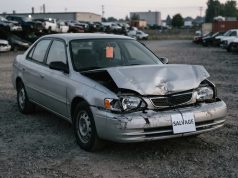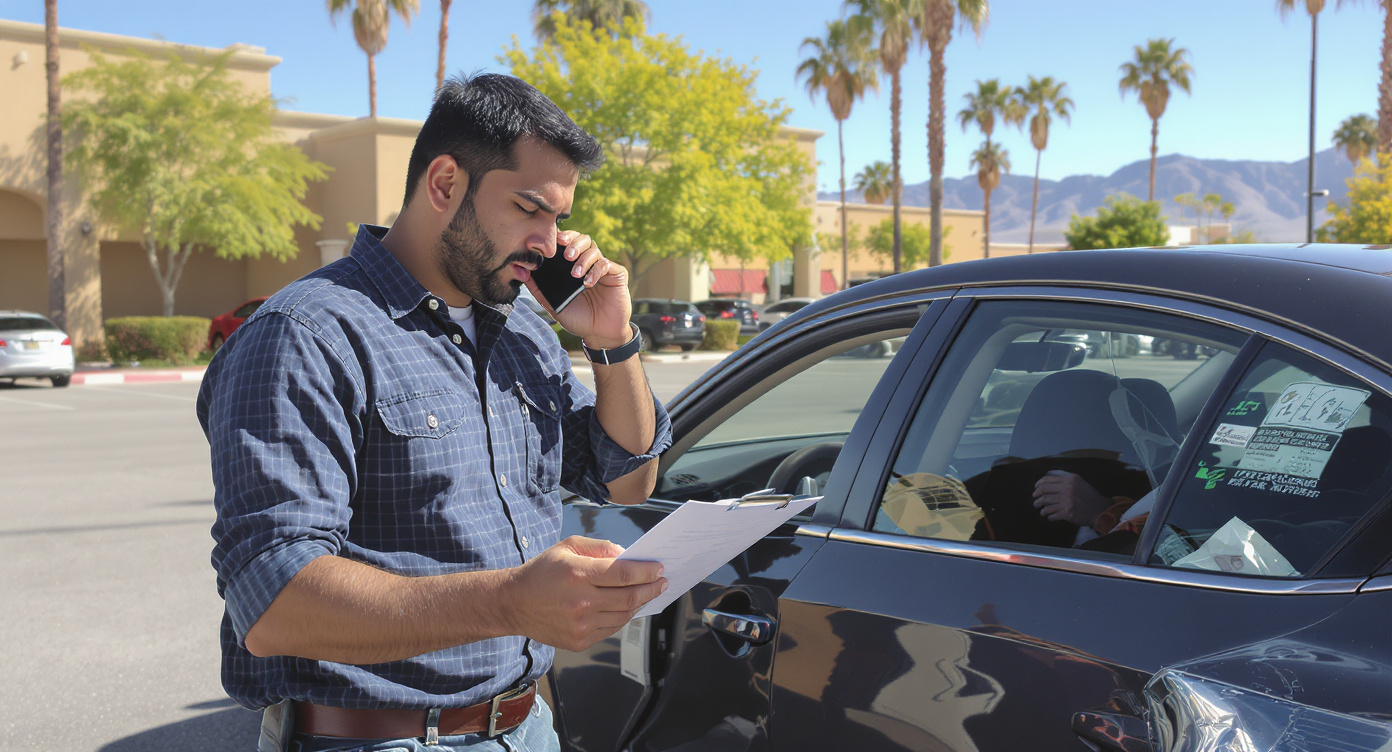
Raj Patel, a 38-year-old software architect on a business trip in Denver, rear-ended an SUV in the rental car he had picked up at the airport that morning. The damage to the rental came in at $11,400. His personal auto insurance paid $9,700 and refused the rest. The $1,700 his insurer wouldn’t pay broke down into three categories, and each one is a coverage gap most drivers never read about until they crash.
The gap is not in the policy language itself, which mirrors what would happen if Raj had crashed his own car. The gap is in how rental companies bill a damage incident. Three categories of charge sit outside what a standard personal auto policy will reimburse.
What Your Policy Does Extend to a Rental
Under a standard ISO personal auto policy, the liability and physical damage coverages on the named insured’s owned vehicle extend to a “non-owned auto” used in the same manner. A rental car driven for personal or business use qualifies, as long as the rental contract names the policyholder as an authorized driver.
This means:
- Liability coverage pays for injuries and property damage to others if the renter is at fault, up to the policy’s liability limits.
- Collision coverage pays for damage to the rental car itself, less the policy’s collision deductible.
- Comprehensive coverage pays for non-collision damage (theft, vandalism, hail, falling objects) less the deductible.
The deductible matters. A $1,000 collision deductible means the first $1,000 of repair on the rental comes out of the renter’s pocket. Some policies have lower deductibles on non-owned autos, but many do not.
A 2021 Insurance Information Institute summary noted that the personal auto policy’s extension to rentals is one of the most commonly misunderstood coverage areas.
Gap One: Loss of Use
When a rental car is in a body shop, the rental company is not collecting daily rental income on it. That lost revenue is billed back to the at-fault renter as “loss of use.” Most personal auto policies either don’t pay this at all or pay it only when the renter elects an optional rental reimbursement add-on, and even then only up to the policy’s rental reimbursement limit.
A mid-size sedan generating $58 a day in rental revenue, out of service for 21 days of repair, produces a $1,218 loss-of-use invoice. The renter sees that on a separate bill weeks after the original claim closes.
The fight is often whether the rental company has documented the actual revenue loss or is charging a fleet utilization rate. Carriers commonly push back on the latter. A renter who disputes a loss-of-use charge can ask for the fleet utilization report and the specific car’s rental history, but the contract typically allows the company to charge a daily rate consistent with their fleet average.
Gap Two: Administrative and Diminution Fees
Most rental contracts include line items for “administrative fees” related to processing the damage claim and “diminution of value” or “diminished value” for the reduced resale value of a repaired vehicle.
Administrative fees often run $150 to $500 per claim and cover the rental company’s internal cost of routing the vehicle to the body shop, getting estimates, and processing paperwork. Most personal auto policies exclude these as consequential damages.
Diminished value is the difference between the vehicle’s market value before the accident and its value after repair. A vehicle with a documented accident history sells for less than an otherwise identical clean-history car. Some states recognize a first-party diminished value claim against your own insurer, but most do not, and even those that do typically limit it to owned vehicles, not rentals. Rental companies sometimes bill it anyway, and unless the renter pushes back, it sits on the final invoice.
Gap Three: Credit Card Coverage Is Secondary
Many premium and travel-branded credit cards advertise rental car coverage as a benefit. The detail most cardholders miss is that this coverage is almost always secondary, meaning it pays only what the renter’s primary insurance does not.
In practice, this means the personal auto policy pays first, up to its limits and within its exclusions. The credit card coverage then picks up the deductible and some of the side fees, depending on what the card’s benefit terms allow. Coverage limits commonly cap at the actual cash value of the rental, and exclusions for luxury vehicles, extended rentals over 31 days, and rentals in certain countries are common.
A few cards offer primary rental car coverage, where the card pays first without involving the personal auto insurer. Those are worth identifying before a trip, because they keep the rental claim entirely off the personal policy’s loss history.
When to Buy the Counter Coverage
The rental company sells a Collision Damage Waiver, sometimes called a Loss Damage Waiver, that releases the renter from liability for damage to the rental. CDW is not insurance. It is a contractual waiver. The cost typically runs $20 to $35 a day. For a 7-day rental, that is $140 to $245 on top of the base rate.
CDW is worth considering in three scenarios: a renter whose personal auto policy has a high collision deductible, a renter without their own car (and therefore without a personal auto policy at all), and a renter on a long-duration or international trip where personal policy coverage may have limits. That international caveat matters most heading south: a personal auto policy’s coverage territory stops at Mexico, rental car included, so a rental company’s own coverage doesn’t fill that specific gap either.
For the average domestic rental of 3 to 5 days by a driver with their own car and full coverage, CDW is usually a poor value, but the loss-of-use and administrative gap is real, and a CDW elects to close it.
Frequently Asked Questions
Does my personal auto insurance cover a rental car? Yes. Standard personal auto policies extend liability, collision, and comprehensive coverage to non-owned autos including rental cars, subject to the same limits, deductibles, and exclusions that apply to your owned vehicle. The renter must be a listed authorized driver on the rental contract.
What is loss of use on a rental car claim? Loss of use is the daily revenue the rental company would have earned if the damaged car had been available to rent during the repair period. Personal auto policies typically don’t pay loss-of-use charges unless the policyholder added a specific rental reimbursement endorsement, and even then only up to the endorsement limit.
Does the rental company’s collision damage waiver replace my auto insurance? No. A CDW is a contractual waiver, not insurance. It releases the renter from liability for damage to the rental car, but it does not pay third-party injury or property damage claims, which still fall to the personal auto liability coverage.
Are credit card rental insurance benefits primary or secondary? Most credit cards offer secondary rental coverage, meaning they pay only after the primary auto insurance pays its share. A few cards offer primary coverage, which pays first without involving the personal auto insurer. Check the specific card’s benefits terms before relying on it.
Will a rental car accident raise my personal auto insurance rates? Yes, if you file a claim on the personal policy. The claim shows up on your loss history the same as a claim involving your owned vehicle. Some renters with high collision deductibles or primary-coverage credit cards pay out of pocket for small rental damages to avoid filing.
Comparing auto insurance before your next trip?
Rental reimbursement, deductibles, and non-owned auto coverage vary widely by carrier. See real coverage options before you book a rental.
Compare Auto Insurance QuotesFor related coverage details, see what makes up an auto insurance policy and how each part works and how to file a diminished value claim after an accident.
Raj eventually paid the $1,700 out of pocket and expensed roughly $400 of it through his employer. A primary-coverage travel credit card, used at the rental counter, would have closed the gap entirely.