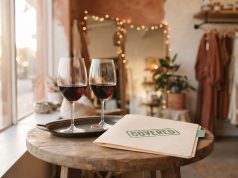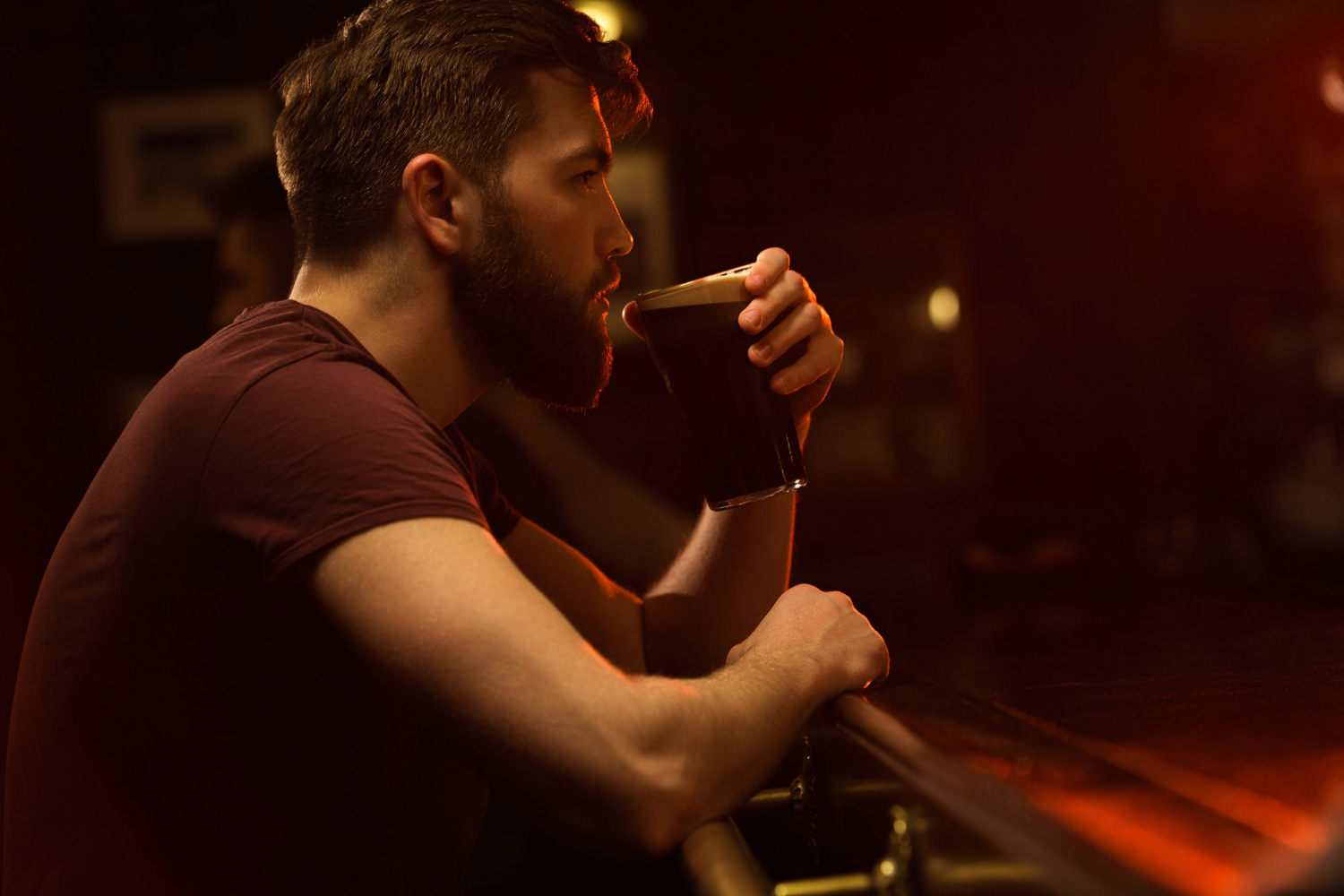
A packed college football watch party fills a Tennessee bar on Saturday afternoon. One patron has been drinking since kickoff. By the fourth quarter, he’s visibly drunk, but the bartender serves him two more beers anyway.
He leaves the bar, runs a red light on the drive home, and crashes into another vehicle. The other driver suffers a traumatic brain injury.
Weeks later, the bar owner receives a $1.8 million lawsuit. The injured driver’s attorney claims the bar overserved an intoxicated customer under Tennessee’s Dram Shop law.
The owner calls his insurance agent, expecting his Business Owner’s Policy to handle it.
The claim is denied.
The insurer points to the liquor liability exclusion in the policy and closes the file.
If your business sells alcohol, your standard Business Owner’s Policy almost certainly does not cover alcohol-related lawsuits.
Understanding how these policies interact is a core part of building the right commercial insurance strategy for a restaurant or bar.
Dram Shop Laws Make Bars and Restaurants Liable
Most states allow injured parties to sue businesses that overserve alcohol. These statutes are called Dram Shop laws.
As of today, 43 states have some form of Dram Shop liability. States like Texas, California, Florida, Tennessee, and Illinois actively enforce these laws.
The legal concept is simple. If a business serves alcohol to someone who is visibly intoxicated and that person later injures someone, the establishment that served the alcohol can be held financially responsible.
Intent does not matter. The lawsuit is based on negligence, specifically negligent over-service.
That’s why alcohol-related lawsuits against bars and restaurants regularly reach six or seven figures.
Why Your Business Owner’s Policy Doesn’t Cover This Risk
A Business Owner’s Policy protects restaurants and bars against many common risks: customer injuries, property damage, fires, equipment losses, and lawsuits related to everyday operations.
But nearly every BOP issued to a business that sells alcohol includes a liquor liability exclusion.
This clause removes coverage for claims connected to the sale, service, or distribution of alcohol.
Insurance companies separate this risk because alcohol-related incidents are statistically severe and often involve catastrophic injuries. The result is a coverage gap that surprises many restaurant owners. This exclusion applies only when the business is “in the business of” alcohol, the trigger phrase that decides whether a bar’s liquor exclusion applies at all, versus a business that only occasionally serves alcohol and keeps its coverage.
⚠ The Gap Most Owners Miss A Business Owner’s Policy covers a lot, but the liquor liability exclusion means a single overserved customer and a Dram Shop claim could leave your business facing a seven-figure lawsuit with zero insurance coverage behind it.
Understanding how your policies work together is part of building the right business insurance foundation for any hospitality operation.
The Difference Between Host Liquor and Liquor Liability
The terminology around alcohol coverage confuses many business owners.
Host liquor liability applies to businesses that do not sell alcohol but occasionally serve it at events, for example, a company hosting a holiday party.
Liquor liability coverage applies to businesses that sell alcohol as part of their operations.
If your restaurant, bar, brewery, or venue sells beer, wine, or spirits, host liquor coverage does not apply to you. The risk must be insured through a dedicated liquor liability policy.
What Liquor Liability Insurance Actually Covers
A standalone liquor liability policy is designed to protect businesses that serve alcohol from lawsuits involving intoxicated patrons. Typical policies cover:
- Legal defense costs
- Court judgments and settlements
- Bodily injury caused by intoxicated patrons
- Property damage caused by intoxicated patrons
- Alcohol-related assault incidents in many cases
Without this policy, the business owner is responsible for defending and paying these claims personally.
How Much Liquor Liability Insurance Costs
The cost of liquor liability insurance depends on several factors, including alcohol sales volume, operating hours, location, and past claims. For many small bars and restaurants, premiums typically range from $1,500 to $4,000 per year.
Insurers may also require staff training programs such as TIPS certification. This training teaches bartenders and servers how to identify intoxicated customers and refuse service safely, and completing it can lower your premiums while reducing the likelihood of a Dram Shop claim in the first place.
Questions Restaurant Owners Should Ask Their Insurance Agent
Restaurant owners should review their policies regularly to ensure alcohol exposure is properly covered. Ask your agent these questions:
- Does my BOP exclude liquor liability?
- Do I currently have a standalone liquor liability policy?
- What coverage limits are appropriate for my alcohol sales volume?
- Is liquor liability insurance required for my liquor license?
- Would staff alcohol-service training reduce my premiums?
For a broader look at how to reduce risk across your entire operation, see our guide on minimizing risks in your restaurant.
The Risk Most Restaurant Owners Discover Too Late
Alcohol service creates one of the largest liability exposures in the hospitality industry. One overserved customer can cause a catastrophic accident that leads directly back to the establishment that served them.
Without liquor liability insurance, a single claim can threaten the survival of the business. And unlike most coverage gaps, this one tends to surface only after a lawsuit has already been filed.
If your business sells alcohol, reviewing your coverage now can prevent a costly gap from becoming a catastrophic claim.