5 min read · Last updated July 8, 2026
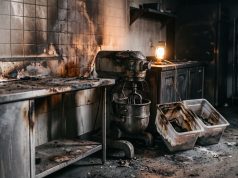
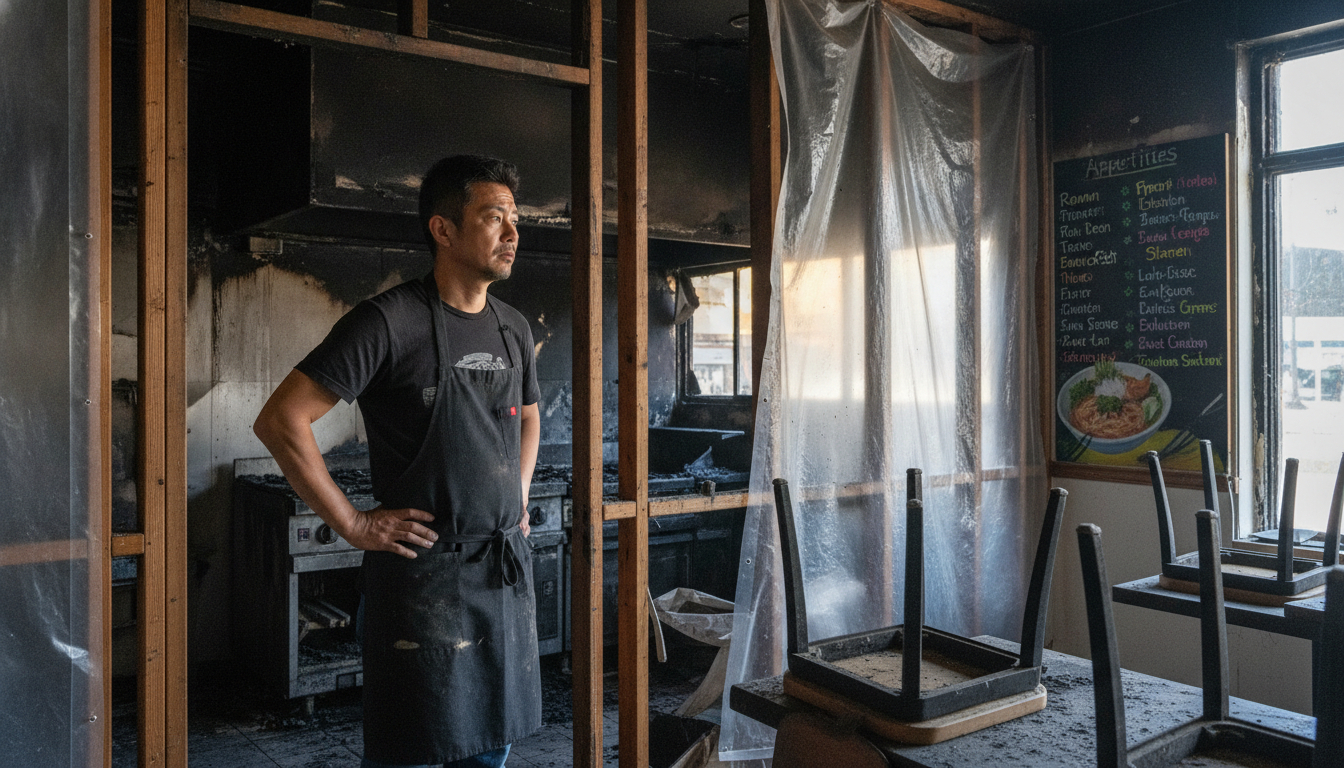
Kenji Nakamura had run his ramen shop out of the same 1984 strip-mall unit for eleven years. A grease fire behind the line one Tuesday night gutted the kitchen and the back third of the space. His commercial property policy carried a $600,000 building limit, and the fire damage came to $310,000. He thought he was covered. Then the city building inspector handed him a letter that turned a bad month into a $145,000 problem.
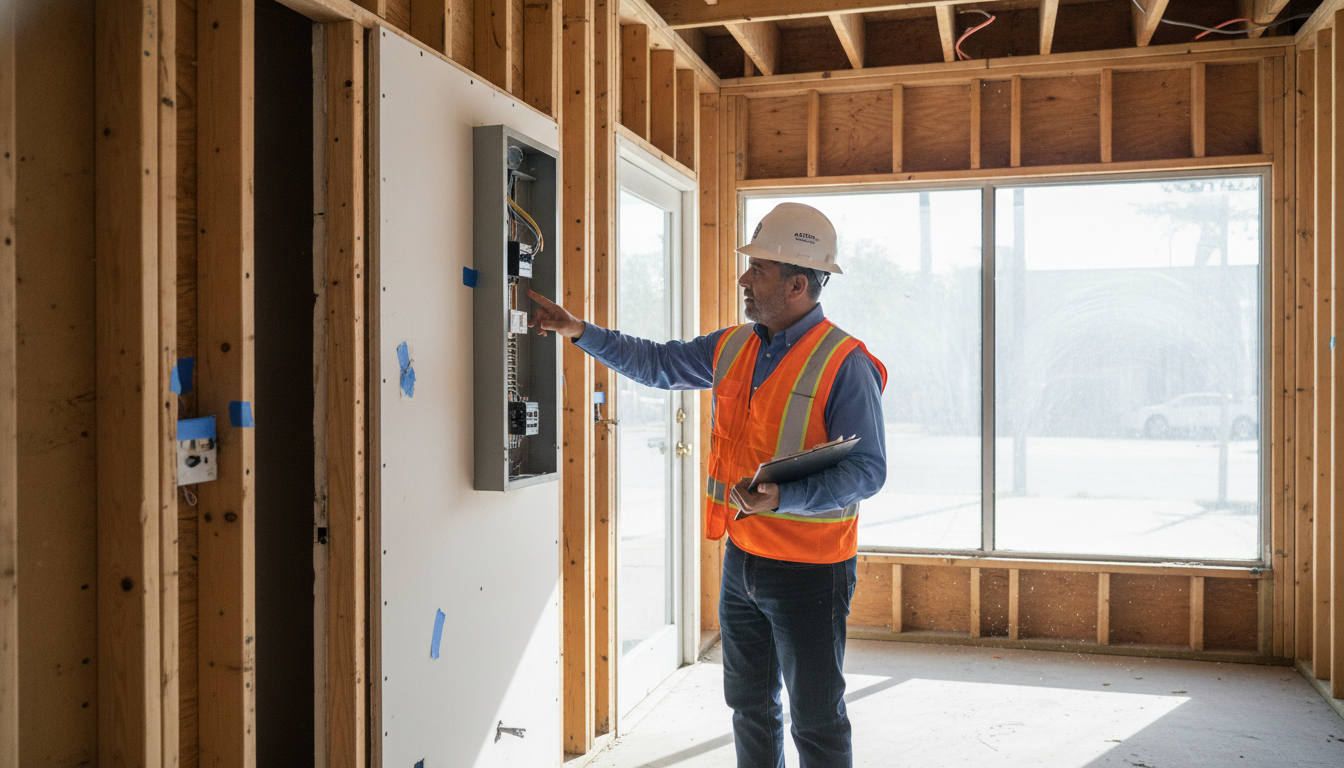
The inspector’s letter said the repairs exceeded half the building’s value. Under the local code, that meant the entire structure had to meet current standards before he could reopen. New fire suppression. ADA-compliant restrooms. Updated electrical. And because the code no longer allowed the old wall layout, part of the undamaged dining room had to come down and be rebuilt too. None of that was fire damage. All of it was now Kenji’s bill.
What Ordinance or Law coverage actually pays for
Ordinance or Law coverage is an endorsement, usually written on ISO form CP 04 05, that you add to a commercial property policy. In plain terms, it is the coverage that pays for the difference between rebuilding what you had and rebuilding what the law now requires. It splits into three parts.
Coverage A pays for the lost value of the undamaged portion of the building you are forced to tear down. If the code says the standing 60% of Kenji’s building must be demolished, Coverage A pays for that lost structure.
Coverage B pays the demolition cost itself. That means the labor, equipment, and debris removal to clear the undamaged part the city won’t let you keep.
Coverage C pays the increased cost of construction. This is the money to rebuild to current code instead of to the building’s original 1984 specs. The sprinklers, the wiring, the accessible restrooms.
Your base policy covers none of the three. A standard property policy promises to restore the building to its pre-loss condition using “like kind and quality” materials. It rebuilds the building you had, not the building the inspector now demands.
Why older buildings get hit hardest
The trigger is almost always a percentage-of-value threshold written into the local building code. In many jurisdictions, once the cost to repair passes 50% of the structure’s value, the whole building loses its grandfathered status. Everything must meet the code in force today.
A building from the 1980s or earlier was legal when it was built. It has been legal ever since under a grandfather clause. That clause survives right up until a major loss forces a major repair. Then decades of code changes land on the owner all at once – energy code, seismic bracing in some states, fire-rated assemblies, egress width, accessibility. The older the building, the wider the gap between how it was built and how it must now be rebuilt.
This is why a fire that damages 40% of a structure can force changes to 100% of it. The damage percentage sets off the code rule, and the code rule ignores the line between what burned and what didn’t.
How much coverage to carry
Coverages B and C are often written together as a combined limit, sometimes shown as a dollar amount and sometimes as a percentage of the building limit. Do not guess at the number. Ask a contractor or your agent what it would actually cost to bring your specific building to current code, then buy a limit that reflects that estimate.
For an older commercial building, a code-upgrade shortfall on a serious claim frequently lands between $100,000 and $200,000. Kenji’s came to roughly $145,000: about $60,000 to demolish and rebuild the standing portion, and about $85,000 in code upgrades across fire, electrical, and accessibility. Had he carried Ordinance or Law with an adequate limit, nearly all of it would have been paid.
If your building predates 2000, or you have renovated a restaurant, retail, or mixed-use space, treat this endorsement as close to mandatory. It is one of the cheaper endorsements on a commercial property policy relative to the size of the gap it closes. The same code-driven gap shows up on homes, which is why homeowners buy the residential version of ordinance or law coverage for the identical reason.
The claim mechanics that make it worse
Two other provisions can compound the problem. First, a coinsurance penalty can shrink your entire payout if you underinsured the building limit, and that penalty applies before any code costs are even considered. Second, code upgrades often extend how long you are closed, which stretches your business income loss. Understanding the full commercial property claim process before a loss – not during one – is how owners avoid finding these gaps at the worst possible moment. For food-service operators specifically, the code exposure sits alongside several others covered in a restaurant commercial insurance guide.
Frequently asked questions
Does business insurance cover bringing my building up to code after a fire?
Not under the base policy. A standard commercial property policy rebuilds to pre-loss condition using like kind and quality materials. Paying for code upgrades requires the Ordinance or Law endorsement, which is a separate add-on you have to elect.
What is Ordinance or Law coverage on a commercial policy?
It is an endorsement that pays three code-related costs a standard policy excludes: the value of the undamaged part of the building you are forced to demolish, the demolition cost itself, and the increased cost of rebuilding to current code.
How much Ordinance or Law coverage do I need?
Enough to cover the realistic cost of bringing your specific building to today’s code. Ask a contractor for an estimate. For older buildings, the shortfall on a serious claim often runs $100,000 to $200,000, so a token limit is not enough.
Why did the city make me demolish the part of my building that didn’t burn?
Most building codes revoke a structure’s grandfathered status once repair costs exceed a set percentage of its value, often around 50%. At that point the entire building must meet current code, even the portion that was never damaged.
Is Ordinance or Law coverage expensive to add?
It is one of the lower-cost endorsements on a commercial property policy relative to the exposure it covers. The premium is small compared with a six-figure code-upgrade bill you would otherwise pay yourself.
See what a commercial property policy with Ordinance or Law coverage would cost your business.
Compare business insurance quotes that include the code-upgrade and demolition coverage most owners skip – before your next inspection.
Compare Business Insurance Quotes