7 min read · Last updated June 30, 2026
In this article
- Why food poisoning is a products claim
- The two separate buckets in your liability policy
- Where the coverage actually runs out
- What to confirm before your next inspection
- Frequently asked questions
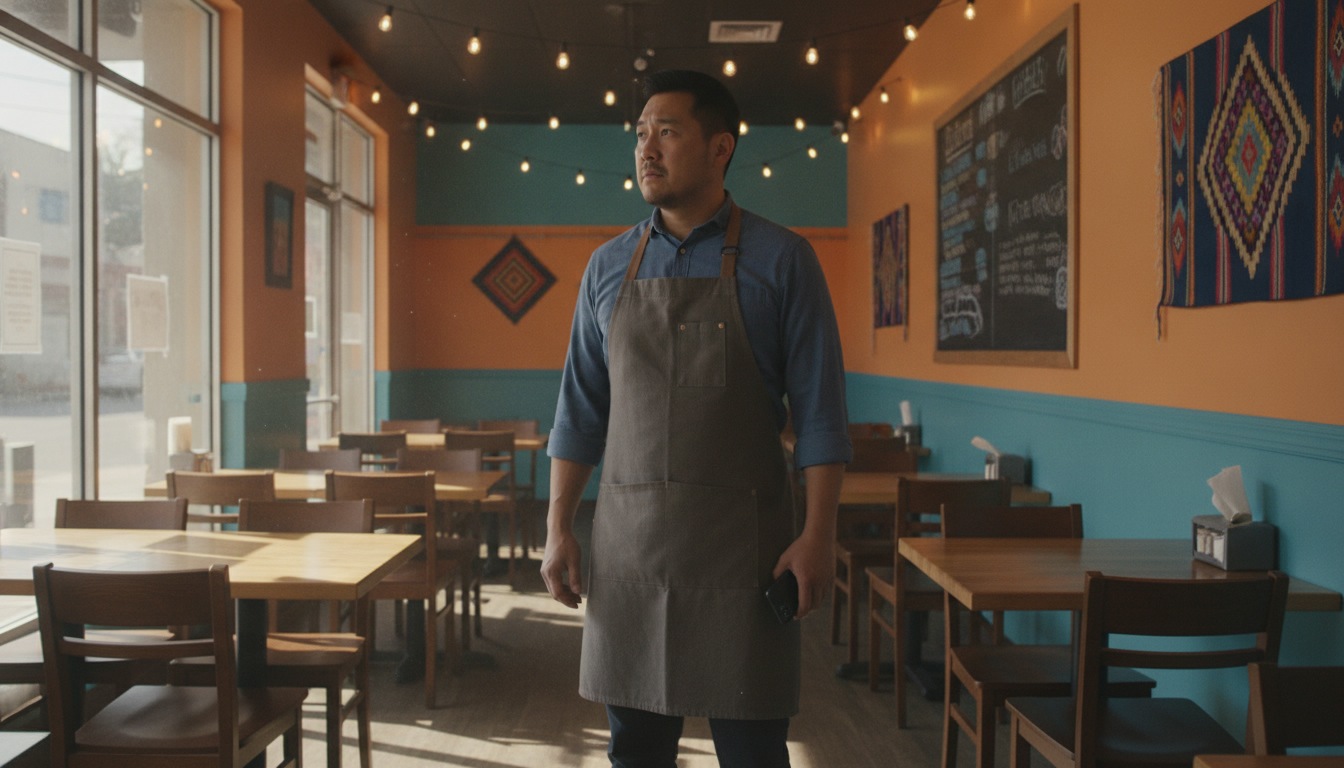
Daniel Pham ran a 14-table taqueria and thought a $2 million liability policy meant he was covered for almost anything. One Saturday a line cook came to work fighting a stomach bug, prepped salsa and rice for six hours, and went home. Over the next two days, roughly 40 customers came down with norovirus. Three were hospitalized for dehydration. The county traced the outbreak to his kitchen, and within a month he was facing personal injury claims and medical reimbursement demands that totaled about $185,000. His insurer accepted the claim. Then his agent explained which part of the policy was paying, and Daniel realized he had been reading his coverage wrong for years.
The relief that his policy responded at all was real. But the structure underneath that policy is what decides whether a restaurant survives a serious outbreak or closes because of one.
Why food poisoning is a products claim
When a customer is hurt by something physical on your premises, like a wet-floor slip, that is a premises claim. It is paid under your general liability coverage’s general aggregate. Most owners know that limit and assume it is the only one.
Food is different. The moment you serve a plate, the food becomes a product you put into a customer’s hands. If that product makes someone sick, the lawsuit is a products-liability claim, the same legal category as a defective toy or a contaminated supplement. Restaurant liability basics, including how premises and product exposures fit together, are covered in this restaurant commercial insurance guide. For food-borne illness specifically, the claim lands in a separate part of the policy with its own ceiling.
The two separate buckets in your liability policy
A standard general liability policy carries two annual limits that sound alike but are walled off from each other. The general aggregate covers slips, falls, and property damage at your location. The products-completed operations aggregate, often shortened to PCOA, covers harm caused by your products after they leave your hands, which for a restaurant means the food itself.
In plain terms: a fight in your dining room and a salmonella outbreak draw from two different pools of money. A typical small-restaurant policy might read $1 million per occurrence, $2 million general aggregate, and $2 million products-completed operations aggregate. That looks like $4 million of protection. It is not. Food poisoning can only reach the PCOA, and any single outbreak is also capped by the per-occurrence limit, often $1 million, no matter how many customers were sickened. The broader breakdown of how commercial policies stack these limits is laid out in the different types of business insurance explained.
Where the coverage actually runs out
Daniel’s $185,000 sat well under his per-occurrence limit, so he was covered. But three features of his policy could have changed that outcome, and every restaurant owner should check them before a loss, not after.
First, an entire outbreak is usually treated as one occurrence. That is good when the total stays under the per-occurrence cap, and dangerous when it does not. A norovirus event that hospitalizes a dozen people and draws a class action can blow past $1 million quickly, and the policy stops paying at the cap.
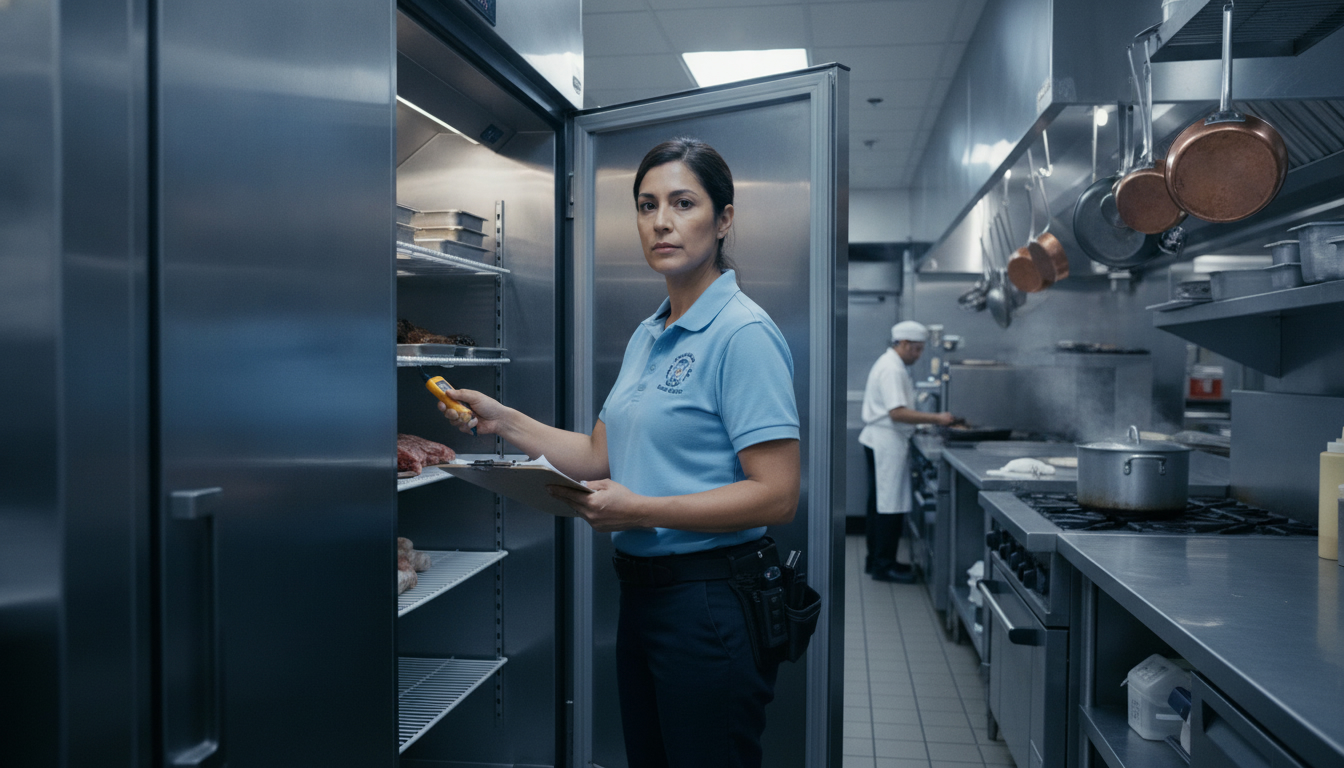
Second, many policies pay defense costs inside the limit rather than on top of it. That means the lawyers defending you are paid out of the same money meant for the injured customers. A $185,000 settlement with $90,000 in legal fees consumes $275,000 of your limit, not $185,000. Third, and most damaging, some carriers attach a bacteria, fungi, or communicable-disease exclusion. If that endorsement is on your policy, a food-borne illness claim can be denied outright. This is the same hidden-exclusion problem that surprises bar owners in dram shop liability cases, where the certificate looks complete but the policy form tells a different story.
What to confirm before your next inspection
Start by asking your agent three direct questions in writing. What is my products-completed operations aggregate? Does my policy pay defense costs inside or outside that limit? Is there any bacteria, virus, or communicable-disease exclusion on my form?
If defense costs erode your limit, ask what it costs to add defense-outside-limits or to raise the PCOA. If a communicable-disease exclusion is present, ask for a quote to remove it or to add dedicated food-borne illness coverage, which some carriers sell as a specific endorsement. Finally, confirm whether your policy includes any coverage for a government-ordered closure after an outbreak, because the lost income from a two-week shutdown is a separate exposure your liability limit will not touch. Daniel kept his taqueria open because his numbers happened to fall under his cap. The owners who do not get that lucky are the ones who never checked which bucket their food claims would hit until the bucket was already empty.
Frequently asked questions
Is food poisoning covered by general liability insurance? Usually yes, but it is paid under the products-completed operations portion of the policy, not the general aggregate. Coverage can be limited or denied if your policy carries a bacteria, virus, or communicable-disease exclusion, so you have to confirm that the exclusion is not on your specific form.
What is the products-completed operations aggregate? It is a separate annual limit on a general liability policy that covers harm caused by your products or finished work after they leave your control. For a restaurant, the food you serve is the product, so food-borne illness claims are paid from this bucket rather than the general aggregate.
Can one outbreak use up my entire liability limit? It can. An outbreak is typically treated as a single occurrence, which is capped by your per-occurrence limit. If many people are hospitalized or a class action forms, the total can exceed that cap, and on many policies the defense costs are paid from the same limit, draining it faster.
Does my landlord or my general aggregate cover a customer who gets sick? No. A landlord’s policy covers the building, not your operations. Your general aggregate covers premises accidents like slips and falls. A customer sickened by your food is a products claim that only the products-completed operations limit responds to.
Should a small restaurant buy extra food contamination coverage? If your policy has a communicable-disease exclusion or a low products limit, yes. Many carriers offer a food-borne illness endorsement or a separate spoilage and contamination policy. The cost is small compared with a single outbreak that draws medical claims from dozens of customers at once.
Find out what your restaurant’s liability limit actually covers
Compare small-business and restaurant liability policies and confirm your products-completed operations limit is high enough for a real outbreak.
Compare Business Insurance Options →