6 min read · Last updated June 24, 2026
In this article
- What a protective safeguards endorsement actually does
- Why restaurants get caught more than anyone
- How to keep the discount without losing the coverage
- Frequently asked questions
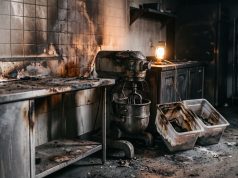
Tobias Lindgren ran a 40-seat noodle shop and thought his commercial property policy had him covered for fire. In March, a grease flare-up on his flat-top spread to the exhaust hood and gutted the kitchen. The repair and lost-income claim came to $214,000. His insurer denied it. The reason was not the fire. It was a single endorsement Tobias had agreed to two years earlier to shave money off his premium.
His policy carried a protective safeguards endorsement. It required the automatic extinguishing system over his cooking line to be maintained and operational. When it was not, and he did not report it, the coverage for fire damage in that area was suspended. The flames did the damage. The paperwork decided who paid for it.
What a protective safeguards endorsement actually does
A protective safeguards endorsement, filed on ISO form CP 04 11, is a deal. You promise to keep a named fire-protection system working. In return, the insurer charges you less, because a building with a live sprinkler or hood suppression system is far less likely to burn to the ground.
The endorsement lists the systems you agreed to maintain using letter symbols. P-1 is an automatic sprinkler system. P-2 is an automatic fire alarm. P-3 is a security service. P-9 is any other safeguard the policy specifically describes, which is where restaurant kitchen hood suppression usually lands.
Here is the part that turns a discount into a denial. The endorsement says coverage is suspended if you knew a protective system was not working and did not tell the insurer. In plain terms: if your sprinkler is shut off for a remodel, or your hood system gets red-tagged at inspection, you have to notify your carrier in writing. If you stay quiet and a fire follows, the insurer can deny the loss.
Why restaurants get caught more than anyone
Restaurant kitchens run on equipment that the law requires you to inspect on a clock. Under NFPA 96, the national standard for commercial cooking operations, your hood suppression system must be inspected by a licensed company every 6 months. That is twice a year, not once.
When an inspector finds a discharged cylinder, a clogged nozzle, or a fusible link past its date, they tag the system as impaired. That tag is the moment your clock starts. From then on, you are operating a kitchen with a protective system the insurer is counting on, and it is not working. If you keep cooking and do not report it, you are carrying the full risk yourself without knowing it.
Tobias’s system was tagged during a routine service visit. The technician told him a replacement cylinder was on backorder. He kept the grill running because closing for three weeks would have sunk him. Reasonable business decision. Fatal insurance mistake. The fix was a two-line email to his agent putting the carrier on notice. He never sent it.
How to keep the discount without losing the coverage
The endorsement is not a trap if you treat the obligation as seriously as the premium credit. Three habits keep you covered.

First, pull your declarations page and find the protective safeguards endorsement. If you see CP 04 11 or a list of P-symbols, write down exactly which systems you are required to maintain. Many owners do not know the endorsement is even on their policy until a claim is denied.
Second, the moment any listed system goes offline, for a remodel, a failed inspection, or a backordered part, email your agent in writing the same day. Ask for written confirmation that the carrier received the notice. A phone call you cannot prove later is not protection.
Third, keep your inspection records. A folder with dated, signed hood and sprinkler inspection reports is the single best evidence that you held up your end. If you ever do file a claim, that folder is what separates a paid loss from a denied one. The same discipline protects you on related coverages, and it is worth knowing how a business owners policy fits a small restaurant and how commercial property coinsurance penalties can shrink a payout even when a claim is approved. For the full picture of restaurant exposure, our restaurant commercial insurance guide walks through the coverages that work together.
Carrying a protective safeguards endorsement you have never reviewed?
Compare small-business policies and confirm what your fire system obligations actually are before a loss tests them.
Compare Business Insurance Options →Frequently asked questions
What is a protective safeguards endorsement on a commercial policy? It is an endorsement, usually ISO form CP 04 11, that lowers your premium in exchange for your promise to keep a named fire-protection system, such as a sprinkler or kitchen hood suppression unit, operational. If the system fails and you do not notify the insurer, coverage for the related loss can be suspended.
Can my insurer really deny a fire claim because the sprinkler was off? Yes, if you knew the system was impaired and did not report it. The endorsement specifically suspends coverage when the insured was aware a protective system was not working and failed to notify the carrier. A burst pipe that disabled a sprinkler without your knowledge is treated differently than a system you turned off and stayed silent about.
How often does a restaurant hood suppression system need inspection? Under NFPA 96, a licensed company must inspect commercial kitchen hood suppression systems every 6 months. A system that is overdue or tagged out of service is a common reason fire claims get challenged.
What do I do if a required system goes offline? Notify your insurance agent in writing the same day and request written confirmation that the carrier received the notice. Keep that email. Written notice is what preserves your coverage while the system is down.
Does this endorsement only apply to restaurants? No. Any commercial property can carry it. Warehouses, retail stores, and manufacturers often have sprinkler or alarm requirements written the same way. The principle is identical: the discount comes with a duty to maintain and report.
A protective safeguards endorsement is one of the few clauses that can turn a covered peril into an uncovered loss without the carrier ever changing your premium. Read it before you need it. The owners who stay covered are the ones who treated the maintenance promise as binding as the bill, because the day a system fails is the day the insurer reads it back to you word for word.