6 min read · Last updated July 20, 2026
- A homeowners policy’s personal-liability section usually covers a dog bite up to the limit, which typically runs $100,000 to $300,000. Above the limit, the owner pays.
- Dog-bite and dog-injury claims cost home insurers $1.86 billion in 2025 across 28,450 claims, with an average claim of $65,450, according to the Insurance Information Institute and State Farm.
- A breed-exclusion clause voids liability coverage for a specific breed before any bite happens, so the first sign of it is often a denied claim.
- A few states limit breed-based denial, and a personal umbrella or standalone canine liability policy can restore coverage an exclusion removes.
In this article
- How homeowners liability normally covers a dog bite
- What a breed exclusion is and how it voids coverage
- The 2025 numbers behind the risk
- What a denial actually leaves you owing
- How to check and fix it before a bite
- FAQ
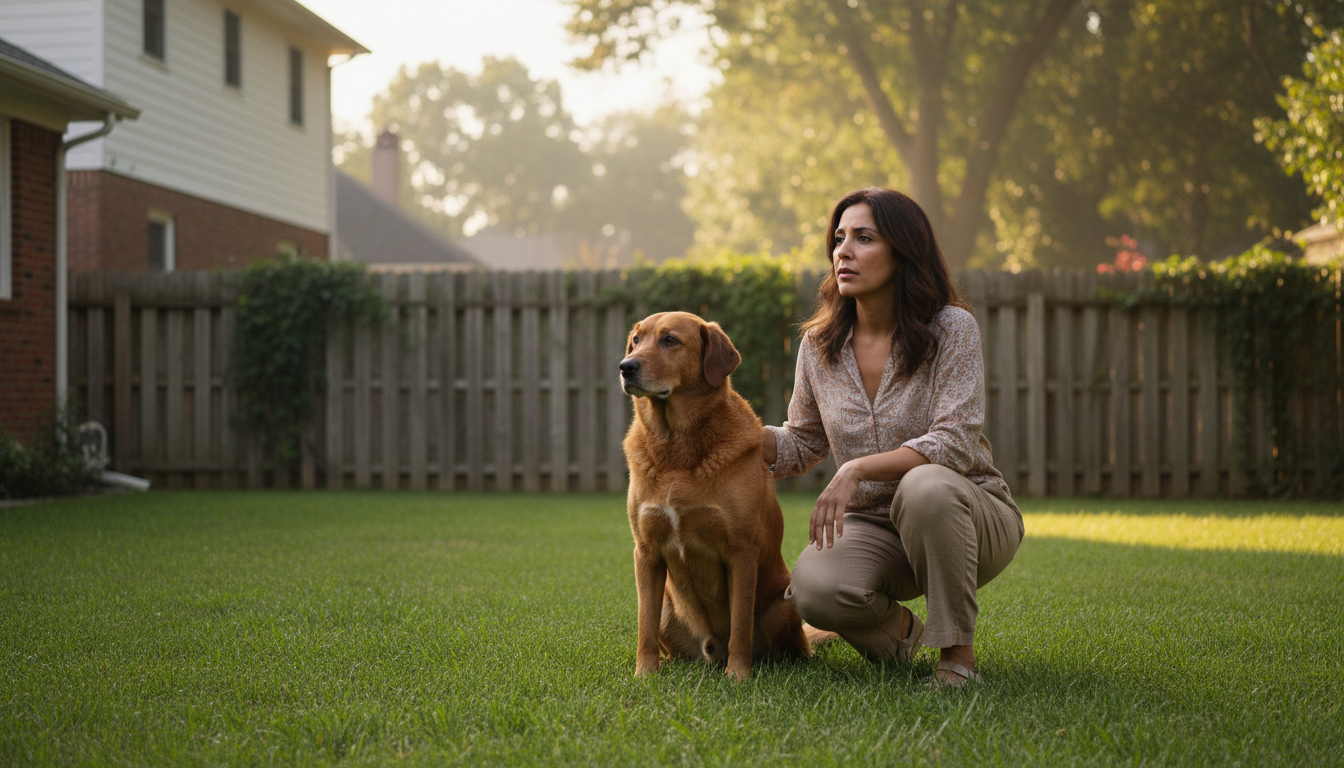
Freya Lindqvist’s four-year-old Rottweiler had never shown aggression until a delivery driver reached over the gate and the dog bit down on his forearm. The injury needed surgery, and the driver’s attorney sent a demand for $85,000 in medical bills, lost wages, and pain and suffering. Freya filed a claim on her homeowners policy, confident the liability coverage would handle it. The adjuster denied it in one paragraph. Her policy carried a breed-exclusion endorsement she had never read, and it removed all coverage for bites by her specific breed. The $85,000 became her personal debt.
How homeowners liability normally covers a dog bite
The personal-liability section of a standard homeowners or renters policy is designed for exactly this situation. If your dog injures someone, the liability coverage pays the injured person’s medical costs, your legal defense, and any settlement or judgment, up to your policy limit. According to the Insurance Information Institute, those limits typically run from $100,000 to $300,000. Below the limit, the insurer handles it. Above the limit, the difference is yours.
That is the coverage most dog owners assume they have, and for most dogs it works. The problem starts when the policy singles out the dog before anything goes wrong.
That coverage responds specifically to bodily injury, physical harm to a person. It has nothing to say about a lawsuit over your own words. A defamation or libel claim needs a separate endorsement most homeowners have never heard of, since Coverage E treats bodily injury and this kind of personal injury as two entirely different categories of harm.
What a breed exclusion is and how it voids coverage
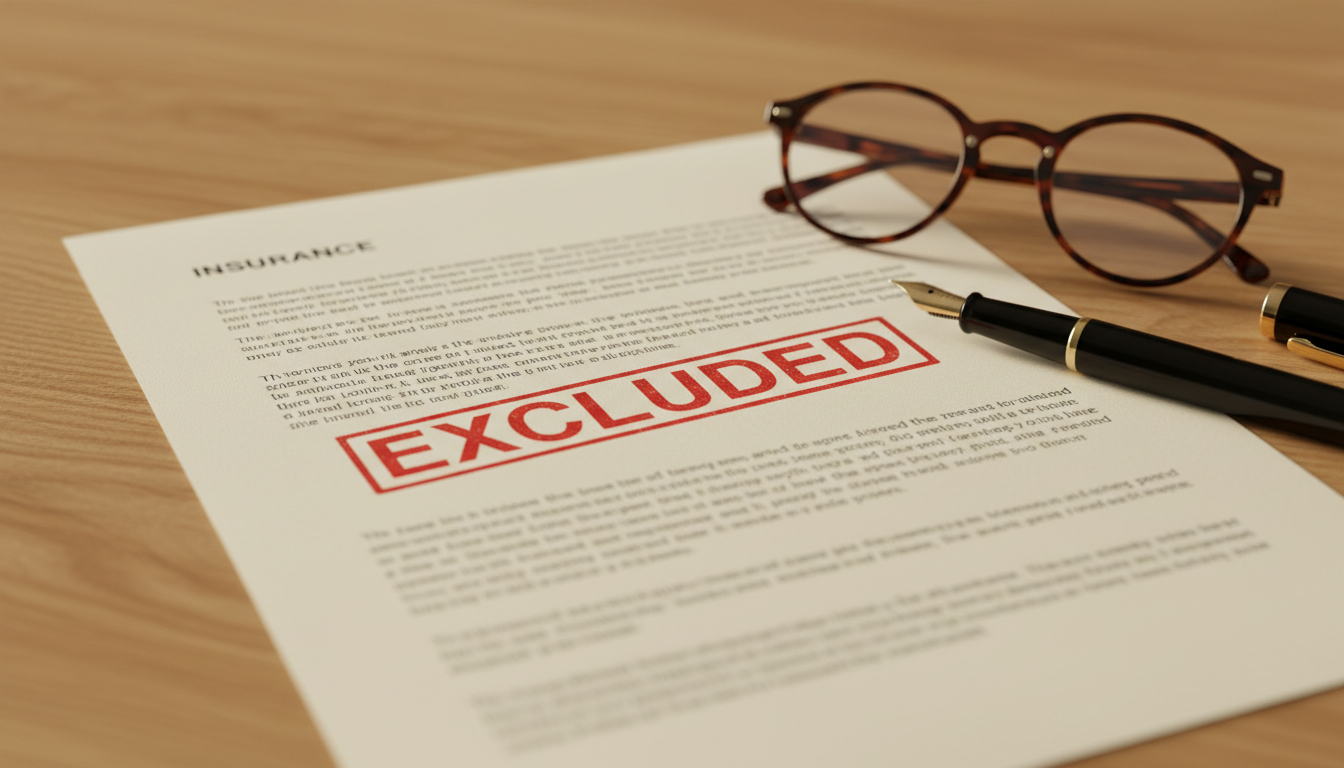
A breed-exclusion clause is a line in the policy stating the insurer will not pay for injuries caused by a specific breed the policyholder owns. It is not triggered by your dog biting someone. It is already in force the day the policy is written. Commonly excluded breeds include pit bull terriers, Rottweilers, Doberman pinschers, German shepherds, chow chows, and wolf hybrids, though the exact list varies by insurer.
Here is the part that traps owners. Insurers handle breeds three different ways: some refuse to insure certain breeds at all, some decide case by case, and some never ask about breed. In plain terms: if you never told your insurer about your dog and never read the exclusions page, you can be paying premiums for years believing you are covered when the policy already says you are not. The exclusion does its damage silently, and the first time most owners learn it exists is when a claim comes back denied.
The 2025 numbers behind the risk
Dog bites are not a rare edge case. The American Veterinary Medical Association reports that about 4.5 million people are bitten by dogs each year in the United States, and children are bitten most often. The cost side has been climbing steadily.
| Year | Total claims value | Number of claims | Average cost per claim |
|---|---|---|---|
| 2022 | $1.14 billion | 17,597 | $64,555 |
| 2023 | $1.12 billion | 19,062 | $58,545 |
| 2024 | $1.57 billion | 22,658 | $69,272 |
| 2025 | $1.86 billion | 28,450 | $65,450 |
The average claim of $65,450 is only the middle of the range. In New York, the average dog-bite claim reached $92,154 in 2025, the highest in the country. A single serious bite can easily blow past a $100,000 liability limit, and once a breed exclusion is in play, the starting figure is not the limit. It is zero.
What a denial actually leaves you owing
When a breed-exclusion denial lands, the financial responsibility shifts entirely to you. The injured person can sue you personally for their medical expenses, lost wages, and pain and suffering, and those judgments reach tens or hundreds of thousands of dollars. A court can attach the judgment to your wages and, in some states, place a lien on your home. This is why a dog-bite denial is more dangerous than most coverage gaps: the same event that would have been a covered claim becomes an uncapped personal liability. The attractive-nuisance liability that a pool or trampoline creates works the same way, but a breed exclusion is worse, because the coverage is removed in advance rather than merely tested.
How to check and fix it before a bite
Read the exclusions section of your policy today, not after an incident. Look specifically for any language naming a breed or referring to “animal liability.” Then ask your agent directly whether your dog’s breed is covered, and disclose your dog rather than hoping the question never comes up. If your breed is excluded, you have real options. A personal umbrella policy can add a layer of liability coverage above your homeowners limit, and a standalone canine liability policy covers the dog specifically when the homeowners policy will not. A few states also limit breed-based decisions: Pennsylvania and Michigan restrict insurers from canceling or denying some policies based on breed alone, and Ohio requires owners of dogs legally designated “vicious” to carry at least $100,000 in liability coverage. The same coverage questions apply if you rent, which is why renters insurance and dog-breed liability deserves the same read-the-exclusions check. When you shop, comparing homeowners policies on animal-liability terms matters as much as comparing the price.
Frequently asked questions
Does homeowners insurance cover dog bites? Usually, yes. The personal-liability section of a standard homeowners or renters policy covers a dog bite up to the policy limit, typically $100,000 to $300,000. The major exception is a breed-exclusion clause, which removes coverage for a specific breed, and any claim above your liability limit, which the owner pays.
What breeds are commonly excluded from homeowners insurance? Frequently excluded breeds include pit bull terriers, Rottweilers, Doberman pinschers, German shepherds, chow chows, and wolf hybrids. The exact list varies by insurer, and some insurers do not restrict by breed at all, so the only reliable answer is in your own policy’s exclusions section.
Can I get coverage if my breed is excluded? Yes. A standalone canine liability policy covers the dog specifically, and a personal umbrella policy adds liability coverage above your homeowners limit. A few states also restrict breed-based denials, so check both your options and your state’s rules.
Will my rates go up if my dog bites someone? Often. After a bite, an insurer may raise your premium, decline to renew the policy, or add an exclusion for that dog going forward. Some insurers will keep coverage if the owner completes a behavior course or agrees to restraint conditions.
Does my homeowners policy cover my dog biting another dog? It can. The liability section may pay the other owner’s veterinary bills and your legal costs if you are sued, up to your limit, unless a breed exclusion or animal-liability exclusion applies.
Check whether your policy actually covers your dog
Compare homeowners policies on liability limits and animal-liability terms, not just price.
Compare homeowners coverage →