5 min read · Last updated May 22, 2026
In this article
- What a matching claim actually looks like
- States that require uniform-matching coverage
- The matching endorsement that closes the gap
- Why insurers push back on partial-match claims
- Documentation that strengthens a matching argument
- FAQ
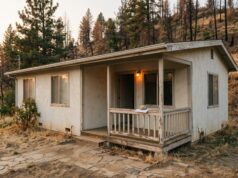
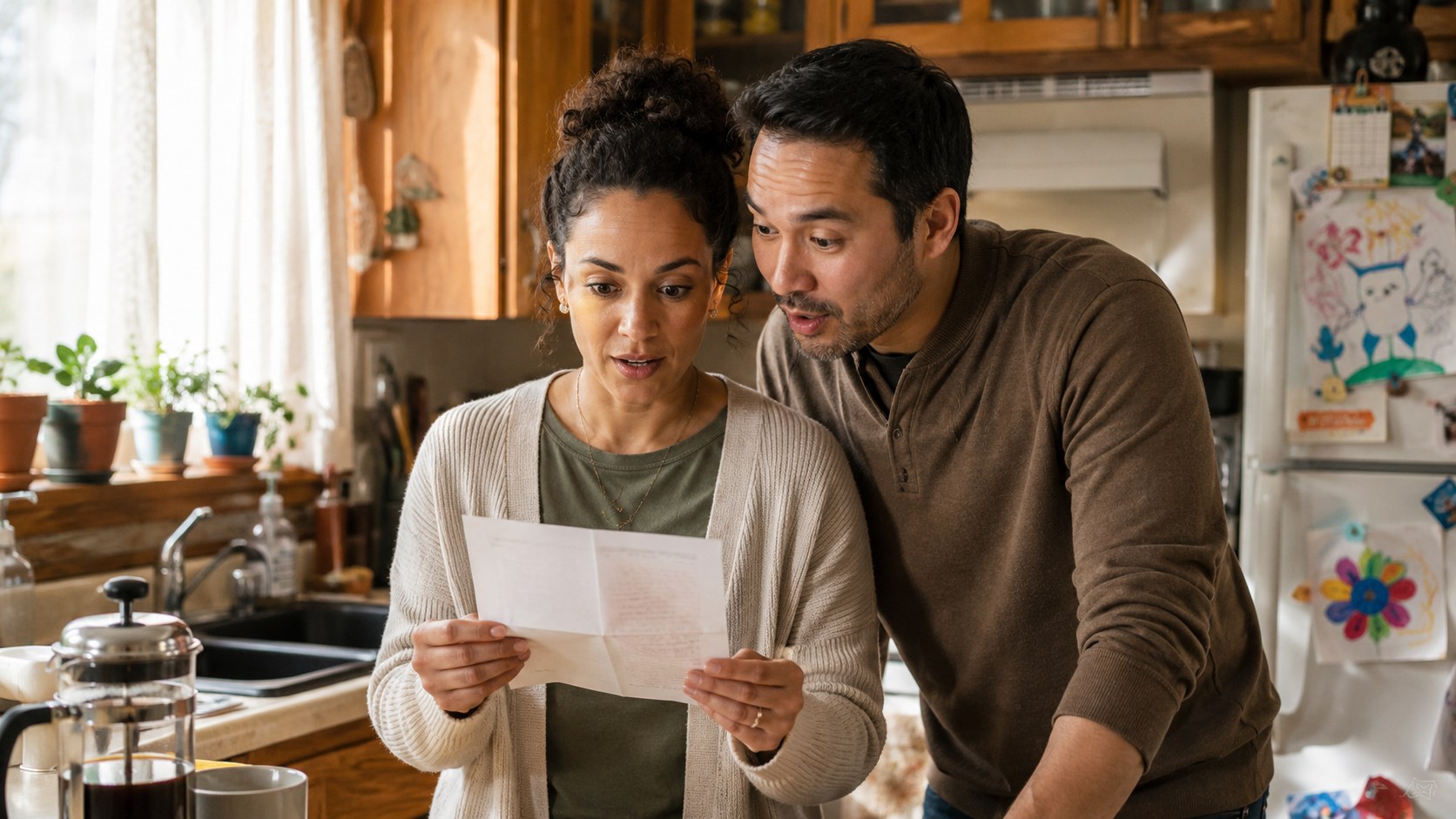
David Carter and his wife Priya, both 38, bought a 1998 vinyl-sided home in suburban Indianapolis in 2019. A May 2024 wind storm sheared roughly 40 percent of the vinyl panels off the south wall of the house. The carrier sent an adjuster, who authorized $4,800 to replace just the south wall. David called five siding contractors in the metro area. Each one came back with the same finding: their color, a tan called Sandalwood from a manufacturer that had been bought out in 2021, was no longer in production. The closest available match was visibly two shades off in direct sunlight. The contractor wrote up an estimate of $19,200 to re-side all four walls so the house looked uniform when the work was done. The carrier said no. Indiana’s matching regulation said yes, and after a 40-day dispute, the carrier paid the full $19,200.
What a matching claim actually looks like
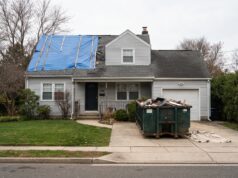
A matching dispute almost always follows the same pattern. A storm or other covered peril damages one side of the house, one slope of the roof, or one section of fence. The insurer authorizes repair of just the damaged section. The homeowner asks the contractor for a quote, the contractor orders the same material the rest of the house is built from, and the supply chain reports the original color or pattern is no longer available.
At that point, three things can happen depending on the state and the policy. The carrier can pay only the damaged section and leave the homeowner with a visibly mismatched repair. The carrier can pay the difference required to match the rest of the structure, which usually means residing or reshingling the entire elevation, slope, or section. Or the carrier can split the difference, paying a “best available match” but not full uniformity, which is the outcome that produces the largest share of consumer complaints to state insurance departments.
States that require uniform-matching coverage
Thirteen states have either a matching statute, a matching regulation, or a binding bulletin from the state insurance commissioner that requires insurers to restore uniform appearance after a covered loss when the original materials are no longer available. The list, as of early 2026, includes Indiana, Iowa, Kentucky, Connecticut, Pennsylvania, Florida (with carrier-specific limitations), Vermont, West Virginia, Oklahoma, Minnesota, Nebraska, North Dakota, and South Carolina. The exact contours vary. Some statutes apply only to siding, some apply to siding and roofing, and Iowa’s regulation includes interior flooring and cabinetry in addition to exterior elements.
In the other 37 states, matching is not required by law unless the policy itself requires it. That means the answer comes from the policy contract, not the state, and most standard HO-3 policies do not include matching language by default. Carriers know this and write claims accordingly.
For the broader picture of how rebuild cost interacts with the dwelling limit on the policy, see our piece on underinsured dwelling coverage. Matching is one of the three most common reasons a real-world rebuild cost exceeds the carrier’s initial scope of loss.
The matching endorsement that closes the gap
In a state without a statute, a matching of undamaged property endorsement on the policy is the single best protection. Carriers underwrite it under various names: “matching of undamaged property,” “uniform appearance endorsement,” “siding and roof match,” and a handful of carrier-specific brand names. The endorsement typically adds 1 to 4 percent to the annual premium, which on a $1,800-a-year policy works out to $18 to $72 a year for a covered repair that can run into the five figures.
Homeowners who already carry the ordinance or law endorsement are often in the right mindset for the matching add-on, because the two endorsements solve adjacent problems. Ordinance or law funds the building code upgrades that a rebuild triggers. Matching funds the visual continuity that a partial repair would otherwise compromise.
Why insurers push back on partial-match claims
Carriers have three reasons to resist a full matching claim. The first is cost. A partial-wall repair on a 1,900-square-foot ranch home runs $3,500 to $6,500. A full re-side runs $14,000 to $28,000.
The second reason is precedent. Once a carrier pays a full matching claim in a state and ZIP code without a statute compelling it, adjusters treat that decision as a reference point for the next 50 similar claims in the region. Carriers train adjusters to deny matching in states without statutes precisely to avoid that drift.
The third reason is the burden of proof on discontinuation. Carriers want a written statement from the manufacturer or distributor that the product, color, and texture are unavailable. A contractor saying “they don’t make this color anymore” is not the same as a signed manufacturer letter, and the carrier will require the latter.
The same dynamic plays out with wind and hail percentage deductibles, where the carrier pushes the front-end cost of the claim onto the homeowner before any pay-out is calculated.
Documentation that strengthens a matching argument
Three documents move a matching dispute from a 30-percent win rate to an 80-percent win rate:
- A signed letter from the manufacturer or master distributor confirming the original product, color, and texture are no longer available. Retailer out-of-stock notes do not count.
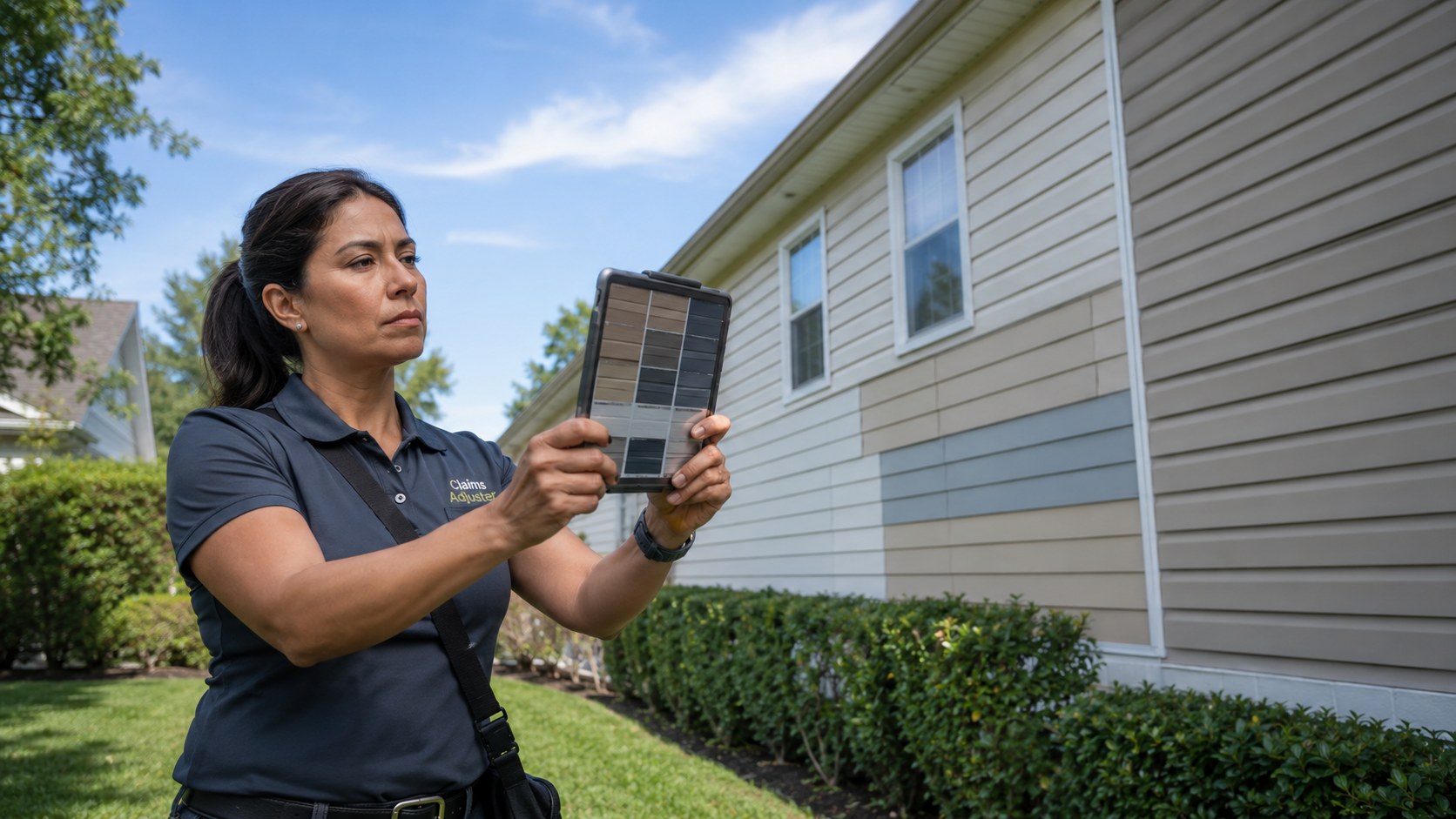
- Side-by-side color photographs taken in direct sunlight, with a color-card reference, showing the closest match against the original.
- A contractor’s scope of work specifying which adjacent surfaces would visibly mismatch with a partial repair, and the line-item cost difference between partial and full uniform repair.
The personal property sublimits article covers the parallel disputes on the contents side of a storm claim. For comparison shopping at renewal, the policy comparison guide walks through the endorsement set every quote should be checked against, including matching, ordinance or law, water backup, and service line.
For David and Priya in Indianapolis, the matching dispute resolved in 40 days with a discontinuation letter, a contractor’s signed scope, and a written demand citing the Indiana statute. The carrier paid $19,200. The next renewal raised their premium $58 a year. They paid it without complaint.
Compare homeowners policies with matching coverage included.
A matching of undamaged property endorsement usually adds 1 to 4 percent to the premium and turns a partial repair into a full uniform restore.
Compare Home InsuranceFAQ
Does my homeowners insurance have to match siding color? Only if your state has a matching statute or regulation, or if your policy includes a matching of undamaged property endorsement. 13 states currently require uniform restoration when the original materials are no longer available, including Indiana, Iowa, Connecticut, Pennsylvania, and Florida. In the other 37 states, the endorsement on the policy is what controls.
Which states have matching siding or shingle laws? As of early 2026: Indiana, Iowa, Kentucky, Connecticut, Pennsylvania, Florida (with carrier-specific limitations), Vermont, West Virginia, Oklahoma, Minnesota, Nebraska, North Dakota, and South Carolina. Each state’s scope is different. Some apply to siding only, some include roofing, and Iowa includes interior elements such as flooring and cabinetry. State insurance department bulletins update the list periodically.
How much does a matching endorsement add to my premium? A matching of undamaged property endorsement typically adds 1 to 4 percent to the annual premium. On a $1,800-a-year policy, that is $18 to $72 per year. The endorsement pays for itself the first time it triggers because the cost difference between a partial repair and a full uniform repair is usually in the five figures for siding or roofing claims.
Can I file a supplemental claim if matching siding is discontinued? Yes, and you should. Reopen the claim with a signed discontinuation letter from the manufacturer, side-by-side color photographs taken in direct sunlight with a color card, and a contractor’s line-item scope showing the visible mismatch. In a state with a matching statute, cite the statute by chapter and verse in the demand letter. Supplemental claims in matching disputes resolve in favor of the homeowner in roughly 70 percent of cases when this documentation is complete.