7 min read · Last updated May 27, 2026
In this article
- Vacant versus unoccupied: the distinction that decides the claim
- Which losses the vacancy clause cuts first
- The everyday situations that trigger it
- How to keep an empty home covered
- FAQ
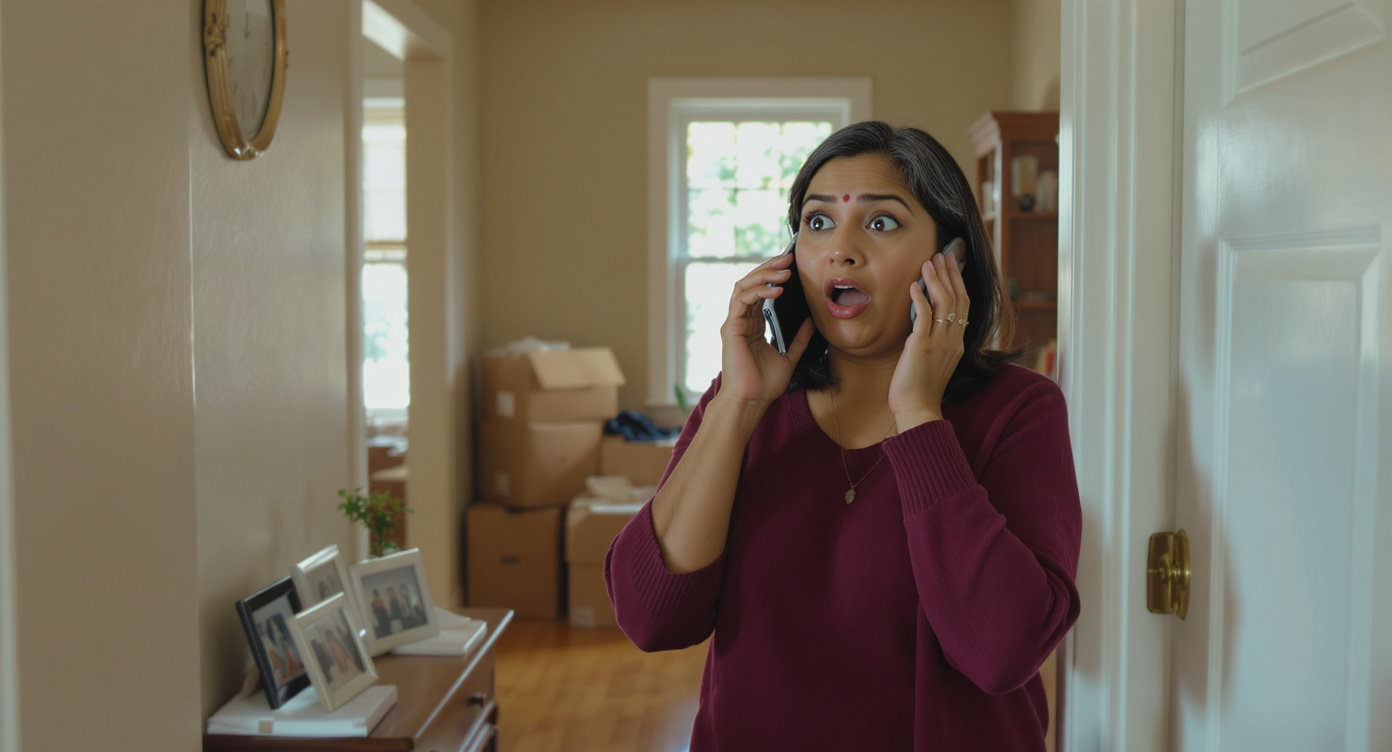
Priya Nair, 58, inherited her late father’s three-bedroom house outside Raleigh and left it empty for four months while she settled the estate and decided whether to sell. In the third month a supply line behind a second-floor bathroom failed, and water ran for days before a neighbor noticed the ceiling sagging. The damage came to $42,000. Priya filed a claim on the homeowners policy she had kept current and paid on time. The carrier denied it in full, citing the policy’s vacancy provision: the house had been vacant well past the 60-day threshold in the policy, and water damage in a vacant dwelling was excluded. The premium had been paid, the policy was active, and the claim was still denied.
Vacant versus unoccupied: the distinction that decides the claim
Insurers draw a line between two states that look identical from the curb, and the difference changes how a claim is handled.
Unoccupied means the furniture and belongings are still in the home, but nobody is currently living there. A family on a long trip, a homeowner who relocated for work but left the house furnished, or a second home used seasonally is unoccupied. Coverage usually continues, though some carriers still apply limits after an extended absence.
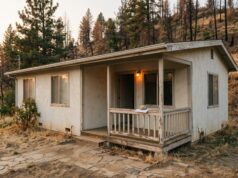
Vacant means the home is empty of both people and belongings, per the International Risk Management Institute’s definition, with no one living there and nothing of substance inside. A house cleared out for sale, a newly purchased home not yet moved into, or an inherited home emptied during probate is vacant. This is the state that triggers the exclusion in most policies, and the clock typically runs 30 to 60 consecutive days depending on the carrier and the policy form. Knowing how a homeowners dwelling limit is set and whether it is adequate is the starting point, because the vacancy provision lives in the same form as the coverage it suspends.
Which losses the vacancy clause cuts first
The vacancy provision does not erase the whole policy at once. It carves out the specific perils that empty homes suffer most, because an unoccupied house has no one to catch a problem early.
Vandalism and malicious mischief are usually the first to go. An empty home is a target, and carriers exclude vandalism losses once the vacancy threshold passes. Glass breakage follows. Water damage is the big one, because a slow leak or a burst pipe in an occupied home gets noticed in hours and in a vacant home runs for days or weeks, turning a small loss into a structural one. Theft of any remaining fixtures or systems, including copper pipe and HVAC components stripped from empty houses, is commonly excluded as well. Freezing-pipe damage is often excluded unless the homeowner maintained heat or shut off and drained the water system.
These exclusions sit alongside other carved-out perils like the flood coverage exclusion every homeowners policy carries that every policyholder should read before assuming a loss is covered. The vacancy clause is unusual because it can switch covered perils into excluded ones based on nothing but the calendar.
The everyday situations that trigger it
Most people who get caught by the vacancy clause never thought of their home as vacant. The trigger is mundane.
An estate in probate, like the Nair house, sits empty for months while heirs settle paperwork and decide whether to sell. A renovation that requires the family to move out, especially a gut remodel, can empty a house past the threshold. A snowbird’s second home left closed for the off-season can cross into vacancy if it is also cleared of belongings. A house listed for sale after the owners have already moved into their next home is a classic case, because the staging furniture is rented and the home is otherwise empty. A rental property sitting between tenants for a couple of months exposes a landlord the same way. New construction or a just-purchased home not yet occupied counts too.
In each case the homeowner is paying premium on an active policy and assumes coverage continues unchanged. The policy says otherwise the moment the home empties out and the days add up. This is the kind of gap that surfaces when people compare homeowners policies on coverage rather than price alone, because the vacancy threshold and its terms vary from one carrier to the next.
How to keep an empty home covered
The fix is straightforward once the risk is known, and far cheaper than a denied claim.
Call the carrier before the home empties out, not after. Most insurers offer a vacancy permit or vacant home endorsement that amends the policy to keep coverage in force during a defined empty period. It carries an added premium, but it preserves the coverage the standard policy suspends.

For a longer vacancy, buy a vacant dwelling policy. These are written specifically for empty homes and typically cost 50 to 60 percent more than a standard homeowners policy, reflecting the higher claim frequency and severity that empty homes show. For a months-long probate, renovation, or sale gap, the math favors the dedicated policy over an uninsured loss.
Reduce the risk while the home sits empty. Keep the heat on in winter or drain the plumbing, shut off the main water supply, arrange regular check-ins by a neighbor or property manager, and keep the property maintained so it does not look abandoned. Some of these steps, especially maintaining heat or shutting off water, are conditions the policy itself may require, and meeting them protects coverage where it still applies. The related sewer and water backup exclusion is another reason to confirm exactly which water losses a policy will and will not pay before leaving a home unattended.
Compare homeowners and vacant dwelling coverage so an inherited, listed, or under-renovation home stays protected through the months it sits empty, not just the months you live in it.
Compare homeowners insurance optionsA paid-up homeowners policy creates a false sense of security around an empty home. The coverage is real for an occupied house and thins out fast once the home empties and the vacancy clock runs. Anyone facing a probate, a renovation, a sale, or a seasonal closure should call the carrier before the keys come out of the lock, because the cheapest time to fix the gap is before the pipe bursts.
An occupied house is not automatically a safe house, either. A separate policy definition, “residence premises,” turns on whether the named insured actually lives there, not on whether the home is physically empty, and a deployment or extended relocation can trip that test even in a fully furnished, occupied home.
Frequently asked questions
How long can my house be empty before homeowners insurance stops covering it? Most standard policies suspend key coverage once the home is vacant for 30 to 60 consecutive days, depending on the carrier and the policy form. Check the vacancy provision in your own policy, because the threshold and the excluded perils vary.
What is the difference between vacant and unoccupied? Unoccupied means belongings are still in the home but no one is currently living there, and coverage usually continues. Vacant means the home is empty of both people and belongings, and that is the state that triggers the exclusion in most policies.
What losses does the vacancy clause exclude? Typically vandalism, glass breakage, water damage, theft, and often freezing-pipe damage once the vacancy threshold passes. These are the perils an empty home suffers most, because there is no one present to catch a problem early.
How do I insure a house that will sit empty? Ask your carrier for a vacancy permit or vacant home endorsement before the home empties, or buy a standalone vacant dwelling policy for a longer gap. The dedicated policy commonly costs 50 to 60 percent more than a standard homeowners policy.
Will keeping some furniture in the house avoid the vacancy problem? It can change the home’s status from vacant to unoccupied, which many policies treat more favorably, but it does not guarantee full coverage. Confirm the specific terms with your carrier rather than assuming a few pieces of furniture restore the policy.