7 min read · Last updated August 17, 2026
- Standard homeowners policies pay for collapse only when it is “abrupt,” caused by a narrow list of named causes like hidden decay, and a wall still standing does not qualify even if it’s badly damaged.
- Connecticut’s Supreme Court held in 2019 that a homeowner must show a wall is in “imminent danger” of falling, not just that it will eventually fail, to meet even the more generous “substantial impairment” standard.
- Connecticut created a separate state-run indemnity fund, CFSIC, specifically because standard collapse coverage denies these claims; it has paid an average of $146,220 per foundation as of October 2024.
- CFSIC’s payout cap rose to $205,000 per single-family home effective January 20, 2026, and homeowners outside a fund like it have no equivalent backstop.
In this article
- What “collapse” actually means on your policy
- Still standing is the whole problem
- A real crisis built entirely on this gap
- What it actually costs to fix anyway
- What to do if your foundation is cracking
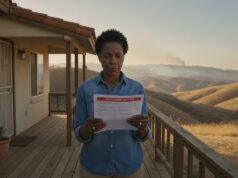
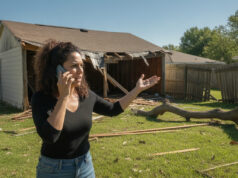
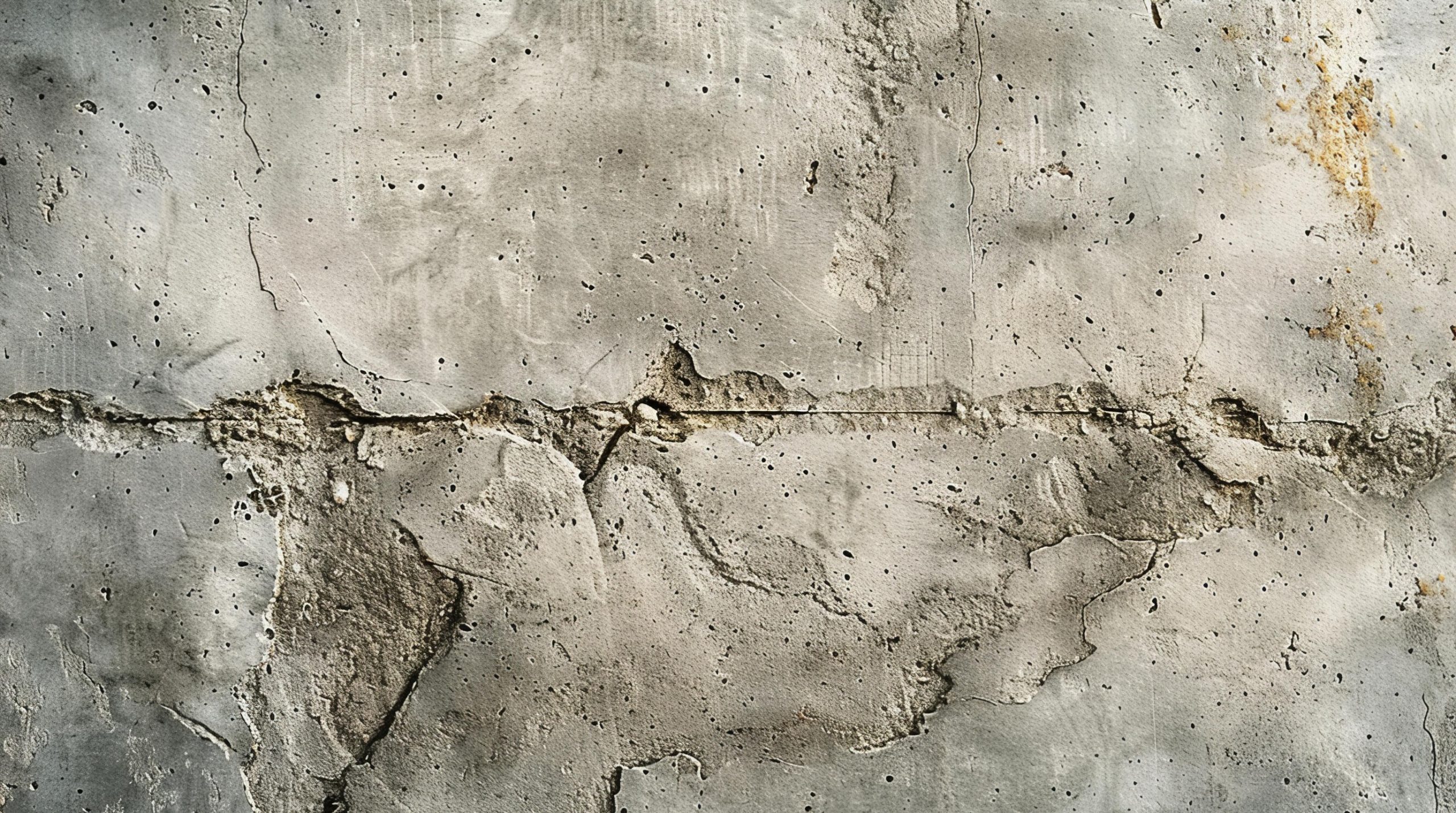
Rosa Delgado noticed the diagonal crack in her basement foundation wall three years before she filed a claim, when it was thin enough to blame on normal settling. By the time an engineer measured a two-inch inward bow and wrote “structural failure” in his report, the wall had never actually fallen. Her insurer denied the claim in full. Standard homeowners policies pay for collapse only when it is abrupt, and a wall that is still standing, however damaged, is not a collapse under the words the policy actually uses.
What “collapse” actually means on your policy
Standard homeowners policies include collapse as an additional coverage with its own narrow definition, not as a general promise to pay for structural damage. As quoted in a Connecticut Supreme Court opinion reproducing a homeowners policy’s own language, the form pays for “direct physical loss to covered property involving collapse of a building or any part of a building caused only by” a short list of named causes: certain named perils like fire or windstorm, hidden decay, hidden insect or vermin damage, the weight of contents or people beyond design limits, the weight of accumulated rain on a roof, or defective materials or methods used during ongoing construction. The same clause closes with a sentence that decides most disputed claims by itself: “Collapse does not include settling, cracking, shrinking, bulging or expansion.”
Newer editions of the form go further, defining collapse as “an abrupt falling down or caving in” and stating that a part of a building “in danger of falling down or caving in” is not in a state of collapse, “even if it shows evidence of cracking, bulging, sagging, bending, leaning, settling, shrinkage or expansion.” A 2018 Connecticut legislative research report explains why insurers rewrote the clause this way: the new phrasing “clarifies that a ‘collapse’ requires a sudden and catastrophic type event,” closing off the argument that gradual, visible deterioration could ever qualify.
Still standing is the whole problem
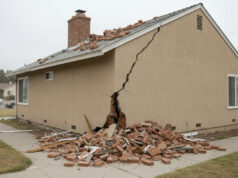
Rosa’s engineer used the phrase “structural failure” because that is the language his profession uses to describe a wall that is compromised and likely to keep getting worse. It is not the word the policy is looking for. The Connecticut Supreme Court took up this exact gap in Karas v. Liberty Ins. Corp., 335 Conn. 62 (2019), where a homeowner’s basement walls had bowed inward roughly two inches and showed the most severe cracking the plaintiff’s own engineer had documented across dozens of similar cases. The court still ruled against the homeowner, holding that “an insured whose home has not actually collapsed must present evidence demonstrating that the home nevertheless is in imminent danger of falling down or caving in,” and specifically rejecting the idea that evidence a wall “will eventually fall down” is enough, “particularly when it is not in immediate danger of collapsing and it likely can be safely occupied for years, if not decades, into the future.”
That is a demanding standard even under the older, more homeowner-favorable reading of “collapse.” Under the newer “abrupt falling down or caving in” language, a Connecticut court reached the same result faster: in a companion case, the wall’s owner had documented cracking since 2006, but because the policy excluded anything “in danger of falling down or caving in” even while showing “cracking, bulging, sagging,” the claim failed on the definition alone, without ever reaching a debate about how close to failure the wall actually was.
A real crisis built entirely on this gap
This is not a rare dispute. Roughly 35,000 homes within a 20-mile radius of Stafford Springs, Connecticut were built with concrete containing pyrrhotite, a mineral that causes foundations to crack and bow slowly over decades, and homeowners who filed collapse claims for it were denied for exactly the reason Rosa was: the wall hadn’t fallen. The scale of the denials was large enough that Connecticut’s legislature did not try to force insurers to redefine “collapse.” Instead, lawmakers created the Connecticut Foundation Solutions Indemnity Company (CFSIC), a state-chartered nonprofit that pays homeowners directly for pyrrhotite damage, funded by a $12-a-year surcharge added to most homeowners and condo policies in the state.
| Under a standard collapse clause | Under Connecticut’s CFSIC fund |
|---|---|
| Wall must be abruptly fallen, not just cracking or bowing | Documented pyrrhotite deterioration qualifies, no abrupt event required |
| Denial is standard even with an engineer’s “structural failure” finding | Over 1,000 foundations replaced as of October 2024 |
| Homeowner typically pays 100% out of pocket | Average payment per home: $146,220 |
| No payout cap because there is no payout | Cap raised to $205,000 per single-family home, effective January 20, 2026 |
What it actually costs to fix anyway
CFSIC’s own numbers show what a homeowner faces without a fund like it. As of October 2024, the program had spent more than $157 million replacing over 1,000 foundations, at an average cost of $146,220 per home, a figure the program’s director said had actually come down over the prior three years as contractors got faster at the work. Effective January 20, 2026, CFSIC’s own payout cap rose to $205,000 per single-family home. Outside Connecticut, a homeowner with the same cracking, bowing wall and the same collapse-clause denial has no equivalent fund to apply to. The standard policy’s “abrupt” requirement does not soften because the state you live in never built a remediation program.
What to do if your foundation is cracking
Document the damage the moment you notice it, including dated photos and any engineer’s report, even if you are not ready to file a claim, because the timeline of when damage started can matter later. Read your policy’s collapse clause before assuming any structural finding will trigger it, and ask your agent directly whether your form uses the older “substantial impairment” language or the newer “abrupt falling down or caving in” wording, since the newer language closes off more claims by definition alone. If your insurer has already flagged the property, check whether your state has a program similar to CFSIC before assuming the repair cost falls entirely on you. A homeowners appraisal clause can resolve a dispute over the dollar amount of a covered loss, but it will not overrule a denial based on the definition of collapse itself, since that is a coverage question, not a valuation one.
Frequently asked questions
Does homeowners insurance cover a cracked or bowing foundation? Usually not under the collapse clause. Standard policies exclude settling, cracking, shrinking, and bulging by name, and pay for collapse only when a building or part of it abruptly falls down or caves in from a narrow list of named causes.
What does “abrupt” mean in a homeowners collapse clause? It means a sudden, catastrophic event, not a gradual process. Courts have held that a wall showing years of documented cracking and bowing, even severe cracking, does not meet this standard as long as the wall is still standing.
Can an engineer’s report of “structural failure” get a collapse claim approved? Not by itself. Engineering language describes the structure’s current condition, while the policy asks a narrower question: whether the building actually, abruptly fell. A finding of serious impairment does not automatically satisfy the policy’s much stricter definition of collapse.
Is there a fund that helps homeowners with crumbling foundations outside Connecticut? Not currently at the same scale. Connecticut’s CFSIC program was created specifically because standard collapse coverage denied these claims; homeowners in most other states facing the same denial have no comparable state-run fund to apply to.
Does a homeowners appraisal clause help if my collapse claim was denied? No. Appraisal resolves disagreements over how much a covered loss is worth. It does not decide whether a loss is covered in the first place, so it cannot overturn a denial based on the policy’s definition of collapse.
Would your homeowners policy actually pay for a cracking foundation?
Compare homeowners insurance policies and see how each one defines collapse before a slow-moving crack becomes a denied claim.
Compare Homeowners Insurance