7 min read · Last updated August 5, 2026
- New Jersey’s minimum auto liability limits rose to $35,000 per person and $70,000 per accident for policies issued or renewed on or after January 1, 2026, under P.L.2022, c.87.
- The same law raised the minimum uninsured and underinsured motorist limits, so that coverage moved with the liability limits.
- The minimum property damage limit did not move. It remains $25,000, against a June 2026 average new-vehicle transaction price of $49,758.
- An insurer raising your limits to meet the new minimum is not required to collect a signed coverage selection form, so the change lands on renewal without your approval.
In this article
- What changed on Anjali’s renewal
- The two phases, side by side
- The number that did not move
- The drivers the increase never reached
- Frequently asked questions
Anjali Deshmukh has driven the same route to work in Bergen County for eleven years on the same auto policy, and when her March 2026 renewal arrived her bodily injury liability read $35,000 and $70,000 instead of the $25,000 and $50,000 she had carried since 2023. The premium was up $186 for the six-month term. She had not requested the change, had not been asked to approve it, and had not signed anything. Her insurer was following a law signed almost four years earlier.
What changed on Anjali’s renewal
The New Jersey Department of Banking and Insurance set the mechanics out in Bulletin No. 25-06, issued to remind insurers of their obligations. The law is P.L.2022, c.87, signed on August 5, 2022. The Department describes it as amending existing law “to increase the minimum limits of liability, uninsured motorist and underinsured motorist insurance coverage that must be provided in automobile insurance policies issued in this State.”
That sentence carries the part most coverage of this change leaves out. Three things moved together, not one. Liability rose, and the minimums for uninsured motorist and underinsured motorist coverage rose with it. Uninsured motorist coverage is what pays your injuries when the driver who hit you has no insurance, and underinsured motorist coverage picks up the shortfall when their limits are too small. Our explainer on how uninsured motorist coverage works walks through the difference.
The Act arrived in two phases. Phase one raised the minimums to $25,000 per person, $50,000 per accident, and $25,000 for property damage for policies issued or renewed on or after January 1, 2023. Phase two took effect January 1, 2026 and, in the Department’s words, applies “to all new and renewal policies issued on or after that date.”
The two phases, side by side
| Coverage | New Jersey, from Jan 1 2023 | New Jersey, from Jan 1 2026 | California, from Jan 1 2025 |
|---|---|---|---|
| Bodily injury, per person | $25,000 | $35,000 | $30,000 |
| Bodily injury, per accident | $50,000 | $70,000 | $60,000 |
| Property damage, per accident | $25,000 | $25,000 | $15,000 |
| Minimum uninsured and underinsured motorist | Raised by the same Act | Raised by the same Act | Not set by this statute |
| Authority | P.L.2022, c.87, phase one | P.L.2022, c.87, phase two | Senate Bill 1107 |
| Next scheduled increase | None stated | None stated | Jan 1 2035, to $50,000 / $100,000 / $25,000 |
California is the useful comparison because it did the same thing one year earlier and wrote the next step into the statute. Senate Bill 1107 set California’s minimums at $30,000 for bodily injury or death of one person, $60,000 for all persons, and $15,000 for property damage, commencing January 1, 2025. The same bill schedules a second increase on January 1, 2035 that adds $20,000, $40,000, and $10,000 to those three figures, which works out to $50,000, $100,000, and $25,000. New Jersey’s law contains no comparable third phase, which means $35,000 is where the floor stays until the Legislature moves it again.
The number that did not move
Bulletin 25-06 is direct about the exception: “The minimum limit for Property Damage Coverage remains $25,000.” That limit was set in phase one, effective January 2023, and it has now sat unchanged through the entire increase.
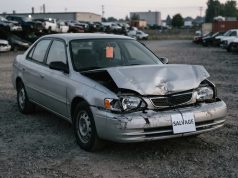
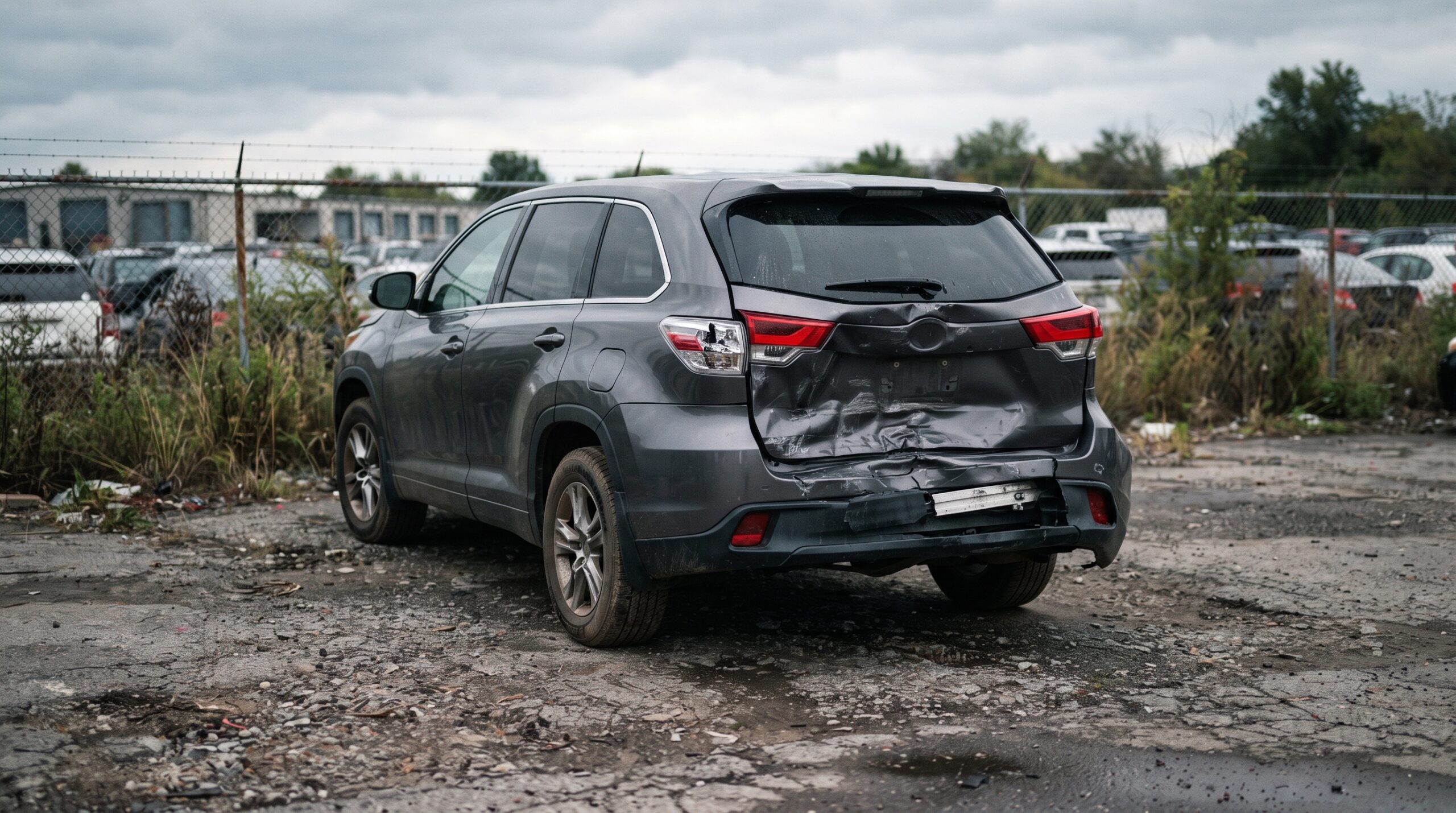
Run the arithmetic on a single total loss. Kelley Blue Book, a Cox Automotive brand, reported that the average transaction price for a new vehicle purchased in June 2026 was $49,758. Suppose you are entirely at fault and you total one average new vehicle. Your property damage liability pays its $25,000 limit. The gap is $49,758 minus $25,000, or $24,758, and that is before the other driver’s rental car, towing, and storage charges. One vehicle, one claim, and a statutory minimum covers just over half of it.
This is why property damage is the first number to raise rather than the last. Moving property damage from $25,000 to $100,000 is typically among the cheapest changes on an auto policy, because catastrophic property claims are far less expensive than catastrophic injury claims. The per-accident bodily injury figure has its own trap worth understanding, which our comparison of split limits against a combined single limit covers in detail.
The drivers the increase never reached
Bulletin 25-06 closes with a footnote that undoes the headline for a whole class of drivers: “The Act does not apply to the basic automobile insurance policy provided by N.J.S.A. 39:6A-3.1.” New Jersey’s basic policy is a stripped-down option created by the 1998 Automobile Insurance Cost Reduction Act, and on it bodily injury liability is not standard coverage at all. It is an optional $10,000. The Act’s own text requires the election form to warn, in 12-point bold type, that choosing a basic policy without the optional $10,000 liability coverage “may subject the named insured to a claim or judgment for noneconomic loss which is not covered by the basic automobile insurance policy, and which may place his assets at risk.” Drivers who elected the basic policy to keep premiums down did not get a 40% increase on January 1. They got nothing, and they are exactly the drivers most likely to be underinsured when they cause a serious injury.
The other quiet piece is procedural. The Department notes that the Act “provides that an insurer increasing policy limits is not required to receive a signed coverage selection form as is otherwise required,” and that insurers must notify the named insured that limits have been increased under N.J.S.A. 39:6B-1 upon renewal of a policy that would no longer meet the minimum. Notification, not consent. If you skimmed a renewal packet this year, this is the change you skimmed.
Do three things with your own declarations page. Confirm your bodily injury limits read at least 35/70, because if they still read 25/50 you may be on a basic policy or a policy that has not yet renewed. Check that your uninsured and underinsured motorist limits match your liability limits rather than sitting below them, and if you carry multiple vehicles, our piece on stacking uninsured motorist coverage explains what that does and does not allow. Then raise property damage, because the Legislature left it behind and your carrier will not raise it for you. For a section-by-section walkthrough, see what makes up an auto insurance policy.
Frequently asked questions
Do I have to do anything to get New Jersey’s new minimum limits?
No. The increase applies automatically to policies issued or renewed on or after January 1, 2026, and your insurer is not required to collect a signed coverage selection form to raise your limits. You should receive notice on renewal. Check the declarations page to confirm the change actually landed.
Did my premium go up because of the new minimums?
Higher liability limits generally cost more, so a policy that was at the old minimum will usually see an increase attributable to the change. Other factors move at renewal too, including your rating territory and claims history. Ask your insurer to break out how much of the increase is the statutory limit change.
Did New Jersey raise the property damage minimum too?
No. Bulletin 25-06 states that the minimum limit for property damage coverage remains $25,000. Only the bodily injury liability figures and the uninsured and underinsured motorist minimums rose on January 1, 2026. Property damage has been unchanged since the January 2023 phase.
Does the increase apply to New Jersey’s basic policy?
No. The Department states the Act does not apply to the basic automobile insurance policy under N.J.S.A. 39:6A-3.1. Drivers on the basic policy keep its own coverage structure, in which bodily injury liability is an optional add-on rather than a standard coverage. If you elected basic coverage, nothing changed for you.
See what 100/300 limits and higher property damage actually cost
Compare auto quotes above the new state minimum, including matched uninsured motorist limits, in one place.