Auto insurance is more than just a legal requirement. It’s a financial safety net that helps protect you, your vehicle, and others on the road. However, not all auto insurance coverage works the same way. Understanding the different types of coverage allows you to build a policy that fits your needs, budget, and risk tolerance.
This guide breaks down the most common types of auto insurance coverage, explains when each one applies, and shows why each matters.
Liability Coverage
Liability coverage is the foundation of most auto insurance policies. It pays for injuries or property damage you cause to others in an accident where you are at fault. It does not cover your own vehicle or medical expenses.
Liability coverage has two main components:
- Bodily injury liability: Covers medical bills, lost wages, and legal costs if you injure someone.
- Property damage liability: Pays for repairs to another person’s vehicle or property.
Most states require drivers to carry minimum liability coverage. However, minimum limits may not be enough in a serious accident. Choosing higher limits can help protect your savings and reduce the risk of lawsuits.
Collision Coverage
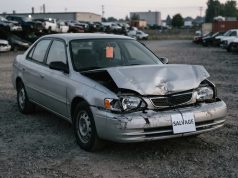
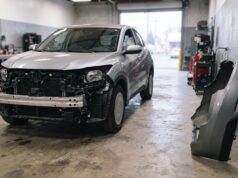
Collision coverage pays for damage to your own vehicle after an accident, regardless of who caused it. This includes collisions with other vehicles, objects like guardrails or trees, and single-vehicle rollovers.
If you lease or finance your car, the lender typically requires collision coverage. Even if you own your vehicle outright, collision coverage can be a smart choice for newer cars or vehicles with higher replacement value.
Collision coverage includes a deductible, the amount you pay out of pocket before insurance applies. Higher deductibles usually lower your premium but increase your cost after an accident.
Comprehensive Coverage
Comprehensive coverage protects your vehicle from non-collision events. These include theft, vandalism, fire, severe weather, falling objects, and animal strikes.
For example, if your car is stolen or damaged by a storm, comprehensive coverage helps pay for repairs or replacement. Like collision coverage, it comes with a deductible.
Although comprehensive coverage is optional, it’s often recommended for newer vehicles or cars parked in higher-risk areas. It provides protection against unpredictable events beyond your control.
Uninsured and Underinsured Motorist Coverage
Not every driver carries adequate insurance. If you’re involved in an accident with someone who has no coverage, or not enough, uninsured and underinsured motorist coverage helps protect you.
- Uninsured motorist coverage: Pays for medical expenses and sometimes vehicle damage when the at-fault driver has no insurance.
- Underinsured motorist coverage: Covers the gap when the other driver’s policy limits are too low to fully cover your losses.
This coverage is especially valuable in areas with higher rates of uninsured drivers and helps ensure you aren’t paying for someone else’s mistake.
Medical Payments or Personal Injury Protection (PIP)
Medical payments coverage and personal injury protection (PIP) help pay for medical expenses after an accident, regardless of fault. Covered costs may include hospital visits, rehabilitation, and follow-up care.
PIP coverage is broader and may also cover lost income, child care, or funeral expenses. Some states require PIP, while others make it optional.
These coverages can be especially useful if you want faster access to medical funds or have limited health insurance.
Optional Add-Ons
In addition to core coverages, many insurers offer optional add-ons to enhance protection:
- Roadside assistance: Covers towing, flat tires, battery jumps, and lockouts.
- Rental reimbursement: Pays for a rental car while your vehicle is being repaired.
- Gap insurance: Covers the difference between your car’s value and the amount you owe on a loan if the vehicle is totaled.
Optional add-ons can be valuable depending on your driving habits, vehicle type, and financial situation.
Match Coverage to Your Reality
Auto insurance is not one-size-fits-all. Each type of coverage serves a specific purpose:
- Liability protects others
- Collision and comprehensive protect your vehicle
- Uninsured motorist coverage protects you from underinsured drivers
- Medical coverage protects your health
Start by reviewing your driving habits, vehicle value, and financial capacity. Then build a policy that balances protection with affordability.
Smart auto insurance coverage isn’t just about meeting legal requirements. It’s about preparing for both the expected and the unexpected.
Compare Auto Insurance Options
Understanding the different types of auto insurance coverage is the first step. The next step is seeing how policies compare based on coverage limits, deductibles, and overall cost.
Comparing auto insurance options side by side can help you choose coverage that fits your driving habits, vehicle, and budget, without paying for protection you don’t need.
👉 Compare auto insurance options here
Related: rideshare