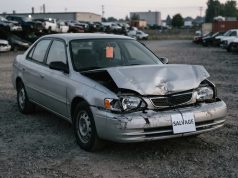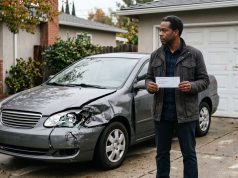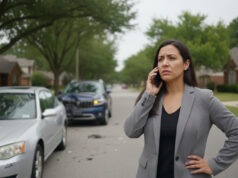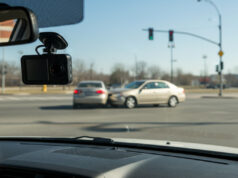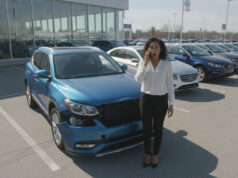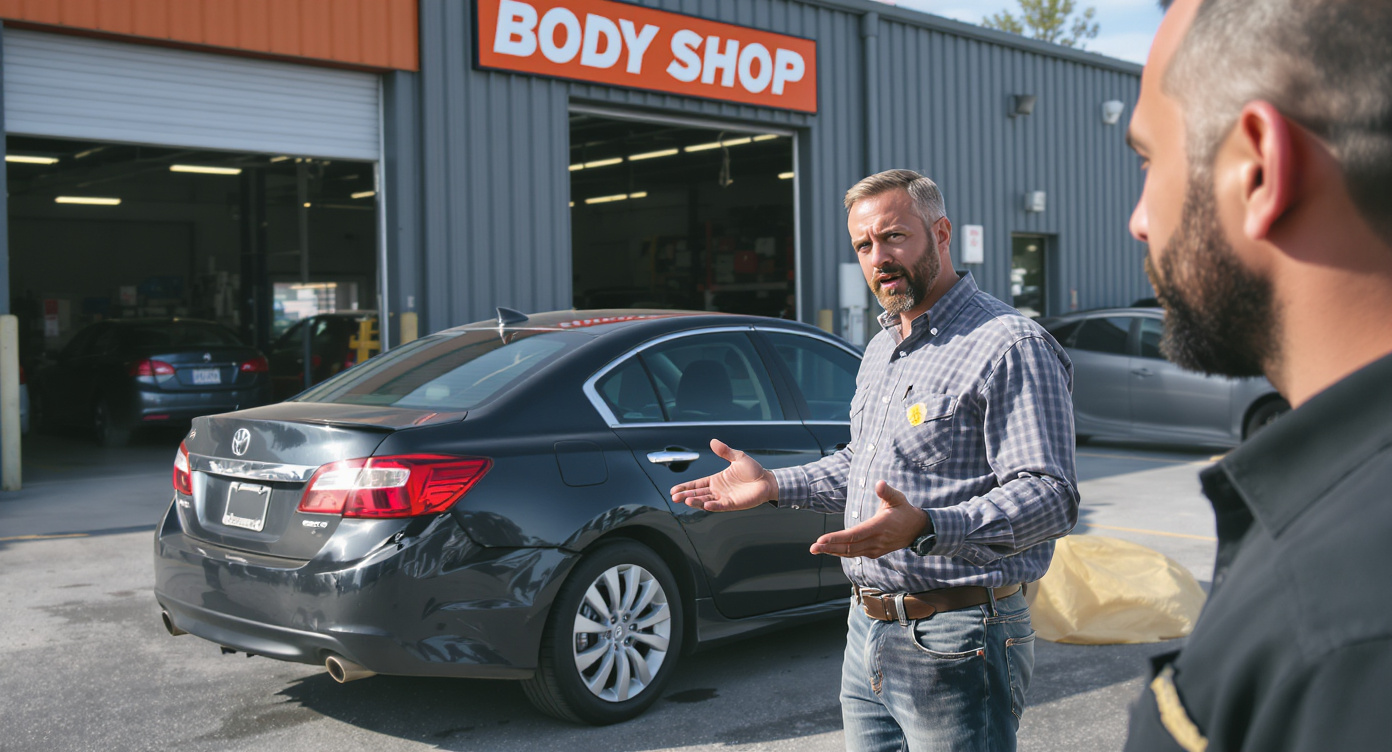
Alex Reyes is a 47-year-old delivery driver in Sacramento. In April, his 22-year-old son, who had a recent DUI conviction, took Alex’s 2019 Toyota Camry to grab dinner and rear-ended a pickup truck at a stoplight. The other driver claimed $14,800 in vehicle damage and $4,200 in medical bills. Alex’s auto insurer denied the entire claim, including the property damage liability he believed was guaranteed under state minimum requirements. The reason: Alex had signed a Named Driver Exclusion endorsement two years earlier, removing his son from the policy in exchange for a $640 annual premium reduction. The exclusion meant that when his son drove the car, there was zero coverage in force, including the minimum liability the state requires.
Named driver exclusions are a standard tool that auto insurers use to remove high-risk household members from a policy without rejecting the entire household. They are most commonly applied to a household member with a DUI, a suspended license, a history of at-fault accidents, or a license type the insurer will not cover. The endorsement is filed with the state insurance department in nearly every state, and once signed, it operates as a contractual carve-out from the policy. The car is insured. The household is insured. The excluded driver is not, and any loss involving the excluded driver behind the wheel is excluded entirely.
How named driver exclusions get signed
Insurers underwrite the household, not the vehicle. When the household survey shows a resident driver the carrier will not insure at the standard rate, the underwriter has three options: surcharge the policy to reflect the risk, decline to renew, or offer a named driver exclusion. The exclusion is usually offered at a meaningful premium discount because the carrier is removing the risk entirely from the rated exposure. The savings can range from 15 percent to 30 percent of the policy premium, depending on the excluded driver’s record.
The endorsement form is short, often a single page. It identifies the excluded driver by name and date of birth, references the policy number, and states in capital letters that no coverage of any kind applies while the named individual is operating any covered vehicle. The named insured signs and dates the form. The endorsement attaches to the declarations page and remains in force through renewals until the named insured affirmatively requests removal.
What gets excluded: liability, collision, medical, everything
The exclusion is total. When the excluded driver is behind the wheel of a covered vehicle:
– Bodily injury liability does not apply. The other driver’s injury claim is denied. – Property damage liability does not apply. The other driver’s vehicle damage claim is denied. – Collision does not apply. Damage to the policyholder’s own vehicle is denied. – Comprehensive does not apply. – Medical payments and personal injury protection do not apply. – Uninsured motorist coverage may or may not apply depending on state and policy form.
The policyholder is left with a covered vehicle, a covered household, and a single uninsured event. The financial consequences flow to the third party, to the policyholder personally as the vehicle owner, and to the excluded driver. Many policyholders learn for the first time at the claim that a basic auto policy does not protect against any loss involving a contractually excluded operator.
States that allow exclusions, states that limit them
Most states allow named driver exclusions on personal auto policies. A handful of states restrict the practice. New York generally does not permit named driver exclusions on personal auto policies. Virginia allows them only with regulatory approval. Kansas restricts the use to specific circumstances. California allows exclusions but requires the insurer to file the exclusion form with the Department of Insurance. State rules change, and the most current source is the state department of insurance website. Where the exclusion is allowed, the courts have generally upheld it against attempts to declare it unconscionable, as long as the named insured signed the endorsement.
Why insurers offer the discount
Excluded drivers represent loss costs the carrier does not want to write. A driver with a recent DUI conviction carries expected losses that may exceed the standard premium by a factor of three or more. The carrier would normally decline the household or apply a high-risk surcharge. The exclusion lets the carrier issue the policy at the standard rate by removing the high-risk individual from the rated exposure.
Personal liability when an excluded driver causes a crash
The vehicle owner is generally liable under state negligent-entrustment law if the excluded driver causes harm to a third party. The injured party’s lawyer will often sue both the driver and the owner, arguing that the owner knew the excluded driver had access to the keys. Judgments in negligent-entrustment cases can exceed the policy’s denied liability limit. Personal assets, future wages, and equity in real property become available to satisfy the judgment.
A policyholder who already understands how at-fault accidents affect rates sometimes still underestimates how much worse the financial exposure becomes when an exclusion converts the loss into an uninsured event.
How to remove the exclusion
The named insured can request the carrier remove the exclusion at any time. The carrier will rerate the policy with the previously excluded driver included. If the driver’s profile triggers a non-renewal, the carrier may decline to remove the exclusion and instead non-renew the policy. The household then needs to move to a non-standard carrier that will write the risk at a higher premium. The honest comparison is the cheap premium with the exclusion, the higher premium without, and the multi-hundred-thousand-dollar exposure if the excluded driver ever takes the keys.
A named driver exclusion works by removing one specific person from the policy by name. A different, more common mechanic does the opposite: it removes coverage for a specific vehicle a driver uses regularly, even a car everyone on the policy is otherwise eligible to drive. See how the “furnished or available for your regular use” exclusion works if a driver on your policy routinely uses a car someone else owns.
Frequently Asked Questions
Can I be sued personally if my excluded driver causes an accident? Yes. State negligent-entrustment laws hold vehicle owners liable when they knew or should have known that the driver posed a risk and still allowed access to the vehicle. Judgments can reach the owner’s personal assets when the auto policy provides no liability defense.
Do all states allow named driver exclusions? Most do. A few states restrict or prohibit them on personal auto policies, including New York and parts of Virginia and Kansas. State rules change, so verify with the state department of insurance before signing or relying on the endorsement.
What if my excluded driver was driving without my permission? The exclusion typically applies regardless of permission. Some policies have a separate non-permissive use exclusion that may interact differently, but most carriers treat any operation by an excluded driver as uncovered. The carrier will often investigate the permission question only if a third party tries to argue around the exclusion.
How much do I save by excluding a high-risk household member? The discount ranges from 15 percent to 30 percent of the premium depending on the excluded driver’s record and the carrier’s rating plan. A policyholder paying $2,200 per year might save $400 to $700. The savings should be weighed against the potential six-figure personal liability if the excluded driver causes a loss.
How do I remove a named driver exclusion? Contact the carrier and request the exclusion be removed. The carrier will rerate the policy with the driver included. If the carrier will not write the household with that driver included, you may need to switch to a non-standard insurer. Use the rerating quote to make an informed comparison instead of relying on the discount alone.
Compare auto policies without exclusion gaps. See coverage options that protect your household instead of carving out the riskiest driver.