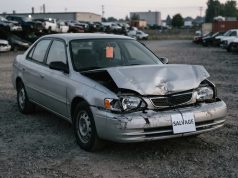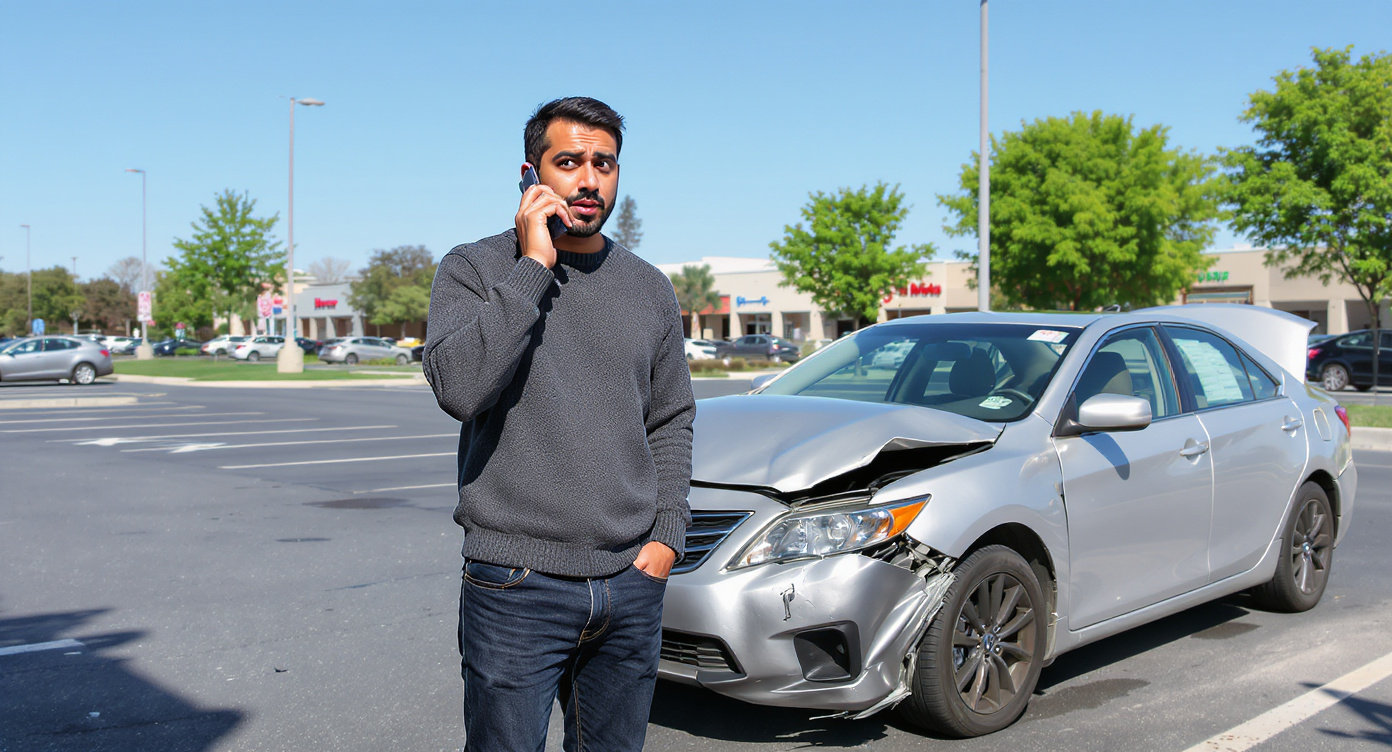
Omar Karimi, a Middle Eastern accountant in Tampa, was T-boned at a four-way stop in March, leaving his 2018 Honda Accord with $11,640 in damage on a vehicle worth $14,500. He expected to take the repair check and put his car back on the road. Florida’s total loss threshold is 80%. The carrier declared the vehicle a total loss, paid him the actual cash value, and took possession of the car. The repair quote came in at 80.3% of the value, just over the line.
Total loss declarations are not at the adjuster’s discretion in most cases. Each state sets a rule, and the carrier follows it. The rule is either a fixed percentage of actual cash value or a formula that adds salvage value to repair cost. Knowing which one applies in your state is the difference between getting your car back and signing the title over.
The two methods states use
Roughly half of states use a percentage threshold. The carrier calculates the cost of repair, divides it by the actual cash value, and if the result exceeds the state’s threshold, the car is totaled. Thresholds range from 60% in Oklahoma to 100% in Colorado, with 70% to 80% being the most common.
The remaining states and the District of Columbia use a total loss formula. The carrier adds the cost of repair to the salvage value of the wrecked car and totals the vehicle if that sum exceeds the actual cash value. This formula treats the carrier’s economics directly: if it costs more to repair the car and absorb the salvage hit than to pay out the actual cash value, the car is totaled.
A 2020 Honda Civic with a $16,000 value, $9,000 in repair damage, and a $7,500 salvage estimate would total under the formula method ($16,500 sum exceeds $16,000 value). The same car in a 75% threshold state would not total at $9,000 in damage (56.25% of value).
Why actual cash value matters more than sticker price
Actual cash value is what the carrier believes your car was worth on the day of the loss, not what you paid for it and not what a similar new car would cost. Insurers calculate it using comparable sales data, mileage, condition, options, and prior accident history. When you carry a loan or lease on a vehicle that has lost value faster than the principal balance, the actual cash value payout will not pay off the lender. That gap is what gap insurance pays after a total loss covers.
Disputes over actual cash value are common. Carriers use book values from automated valuation services, and those numbers sometimes underestimate well-maintained vehicles, recent purchases, or vehicles with low mileage. You can submit comparable listings, dealer quotes, or independent appraisals to push back.
What happens to the car after a total loss
The carrier takes possession of the vehicle and resells it at salvage auction. You can opt to retain the salvage in many states by paying the carrier the salvage value out of the settlement. The car then receives a salvage title, which restricts registration and resale and lowers future value substantially.
If you want to keep and repair the car, ask the carrier whether your state allows owner retention and what the salvage value reduction will be. Repairing a totaled vehicle is legal in most states but requires a salvage inspection before the title can be reissued as rebuilt, and the rebuilt title brand stays with the vehicle for life.
What you can do at claim time
Three actions improve your outcome. Get a second repair estimate from a body shop you trust before the carrier orders the car released. Push back on the actual cash value with documented comparable sales if the offer looks low. Decide whether to take the settlement or retain the salvage before the carrier moves the vehicle, because once it goes to auction the choice is gone.
If the loss involves a third-party at-fault driver, you may also have a diminished value claim against the at-fault driver’s carrier for vehicles repaired below threshold, since the wreck history reduces resale value even after a quality repair.
Frequently Asked Questions
Can I refuse the total loss declaration and demand the carrier repair my car? No. Once the threshold or formula is exceeded under your state’s rule, the carrier has the right to declare a total loss. You can dispute the actual cash value or the repair estimate, but you cannot force a carrier to repair a vehicle the state’s math says is totaled.
Is the total loss threshold the same in every state? No. Roughly half of states use percentage thresholds ranging from 60% to 100%. The remaining states and Washington D.C. use a total loss formula that adds repair cost to salvage value and compares the sum to actual cash value. Your state’s rule controls the outcome.
What is actual cash value and how do carriers calculate it? Actual cash value is the carrier’s estimate of what your car was worth on the day of the loss, calculated from comparable sales, mileage, condition, and options. Carriers commonly use automated valuation services that rely on auction and dealer transaction data.
Can I keep my car after it is totaled? Most states allow owner retention. You receive the actual cash value settlement minus the salvage value, and the car gets a salvage title. If you repair it and pass a state salvage inspection, the title is reissued as rebuilt. The brand stays with the vehicle and reduces future value.
Will I owe money on my loan if the actual cash value is less than my balance? Yes, unless you carry gap insurance. The carrier pays the lender up to the actual cash value. Any remaining loan balance is your responsibility. Gap coverage, often added at the dealership or through your auto policy, pays that difference.
Compare auto policies before your next claim. See real coverage and gap options that pay when your car is totaled.