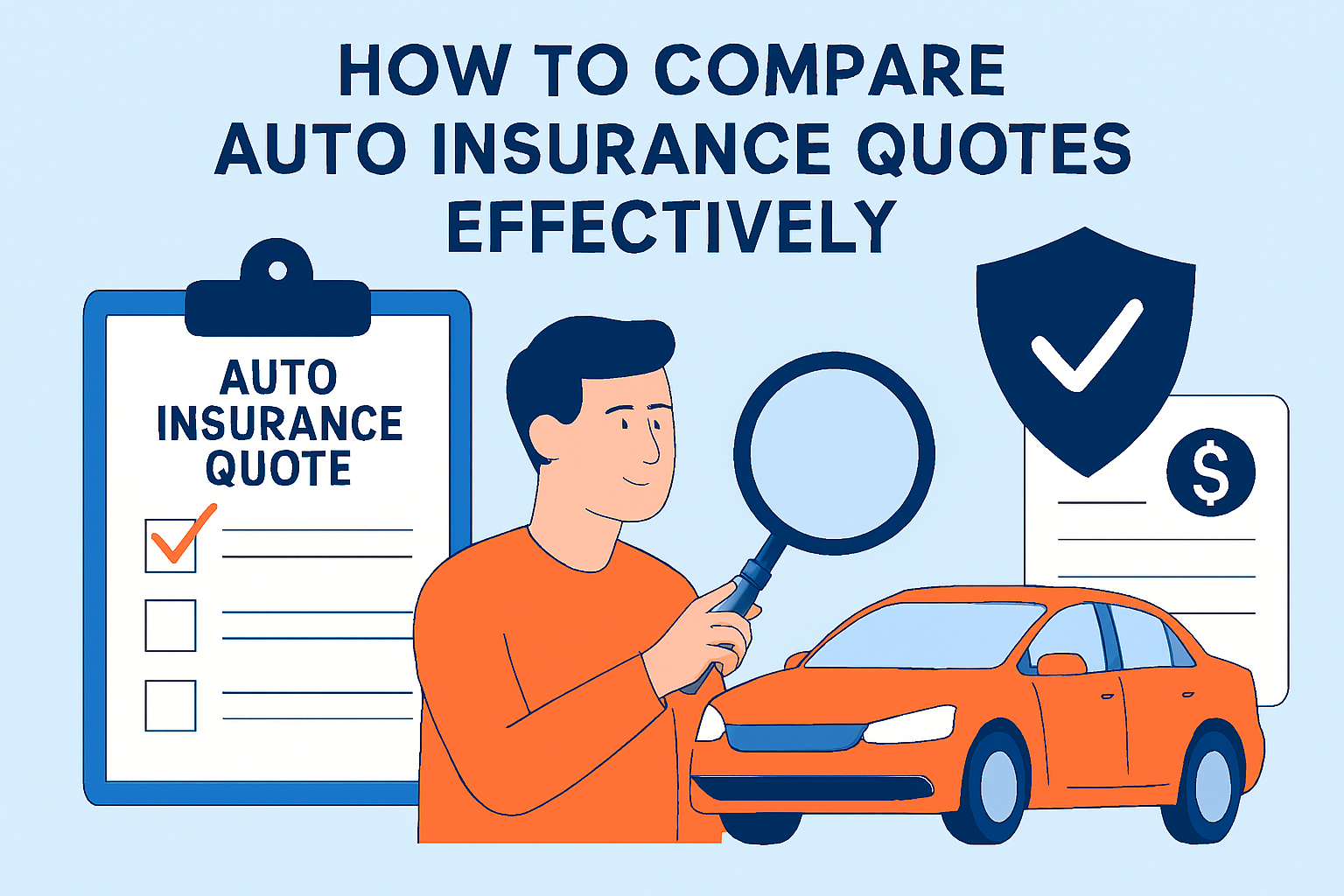
Auto insurance is a recurring expense that many drivers overlook until renewal time. Rates vary widely between providers, even for similar coverage. Comparing quotes is not just about finding the cheapest option. It is about making sure your policy matches your needs, your driving habits, and your financial situation.
This walkthrough shows how to compare auto insurance quotes effectively. It focuses on clarity, consistency, and strategy. The goal is to help you shop smart and avoid common traps that lead to underinsurance or overpayment.
Start With Consistent Information
Before you begin comparing quotes, gather the details insurers will ask for. This ensures every quote is based on the same inputs, which makes comparisons accurate and fair.
You will need your full name, address, and driver’s license number. Include your vehicle’s make, model, year, and VIN. Add your current mileage and estimated annual mileage. Be honest about your driving history, including any accidents or violations. Decide on your preferred coverage levels and deductibles. If other drivers will be on the policy, include their details too.
Having this ready allows you to enter consistent data across platforms. It also speeds up the process and reduces the chance of errors.
Define Your Coverage Needs
Quotes are only useful if you know what you are shopping for. Review your current policy and decide what coverage you want to keep, adjust, or remove. Think about your vehicle’s age, your commute, and your financial buffer.
Most drivers need liability coverage, which pays for damage or injury you cause to others. Collision coverage pays for damage to your own vehicle after an accident. Comprehensive coverage protects against theft, fire, and natural disasters. Uninsured motorist coverage helps if the other driver has no insurance. Medical payments or personal injury protection cover medical expenses regardless of fault.
Optional add-ons include roadside assistance, rental reimbursement, and gap insurance. Choose what fits your routine and budget. Avoid paying for features you will not use.
Use Multiple Tools and Sources
No single comparison tool shows every insurer. Use two or three platforms to get a broader view. Some insurers only offer quotes directly, so visit their websites as well. Enter the same data each time. Save or screenshot each quote for reference.
Look for platforms that show detailed breakdowns. You want to see how much each coverage type costs and what limits are included. Avoid tools that only show the total premium without context.
Once you find promising quotes, contact the insurers directly. Ask for a formal quote and confirm the coverage details, final premium, and payment options. This step helps you catch any differences between the online quote and the actual policy.
Focus on Value, Not Just Price
The cheapest quote is not always the best. Look beyond the number and examine what you are getting. This is where smart comparison makes a difference.
Here are two key sections to guide your evaluation:
What to Check in Each Quote
- Coverage limits: Are they high enough to protect you in a serious accident
- Deductibles: Lower deductibles mean higher premiums, and vice versa
- Exclusions: What is not covered, and are there restrictions on claims
- Discounts: Are you getting credit for safe driving, bundling, or low mileage
- Customer service: Look at reviews for claims handling and responsiveness
What to Ask Before You Commit
- Are all discounts applied and documented
- What are the billing options and cancellation terms
- How does the insurer handle claims and repairs
- Are there conditions tied to benefits or loyalty programs
These questions help you avoid surprises and ensure the quote reflects your actual risk and usage.
Review the Policy Before You Sign
Before you finalize anything, read the full policy. Look for definitions, exclusions, and claim procedures. Check renewal terms and how rates may change over time. If anything is unclear, ask for clarification. A good insurer will explain the fine print without hesitation.
Set a reminder to revisit your policy every year. Even if you stay with the same provider, asking for a re-quote can uncover new discounts or better terms. Your driving habits, vehicle value, and location may change, and your coverage should reflect that.
Smart Comparison Leads to Smart Coverage
Comparing auto insurance quotes is not just about saving money. It is about building a policy that fits your life. When you shop smart, you protect your vehicle, your finances, and your peace of mind.
Start with clear data. Define your coverage goals. Use multiple tools. Then dig into the details. The right policy is not just affordable. It is reliable, responsive, and built for your real-world needs.
Reviewing auto insurance quotes is easier when you know what coverage you need. Taking a few minutes to compare options can help you find better protection, avoid hidden costs, and ensure your policy fits your driving habits and budget.