8 min read · Last updated September 4, 2026
- A standard homeowners policy’s Coverage E, personal liability, pays for “bodily injury” and “property damage” claims only. Defamation, libel, and slander are neither, and standard Coverage E does not respond to them.
- The ISO (Insurance Services Office) Personal Injury Coverage endorsement, form HO 24 82, is the specific add-on that closes this gap. Without it, a lawsuit over something you said or posted gets no defense and no payout from your homeowners insurer.
- HO 24 82 adds five defined offenses: false arrest, detention, or imprisonment; malicious prosecution; wrongful eviction, entry, or invasion of a person’s right of private occupancy; publication that slanders or libels someone; and publication that violates a person’s right of privacy.
- Check your declarations page for “Personal Injury Coverage” or the form number HO 24 82 in your endorsements list. If it isn’t there, ask your agent to add it before you post your next online review.
In this article
- What Coverage E Actually Pays For
- Personal Injury Is a Legal Term, and It Is Not Bodily Injury
- What ISO Form HO 24 82 Actually Adds
- Aisha’s Numbers: What the Gap Actually Cost Her
- How to Check Whether You Already Have This Coverage
- Frequently asked questions
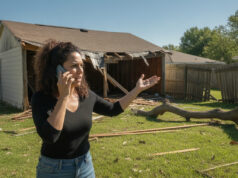
Aisha Bello posted one comment in her Charlotte neighborhood’s 4,200-member Facebook group in April 2026, calling a local roofing contractor a “scam” that “took $9,400 and left our roof half-finished for six weeks.” Four months and a lawsuit later, she learned her homeowners insurance would not pay a single dollar of the $46,000 it cost her to defend herself.
What Coverage E Actually Pays For
Aisha’s policy carried a $300,000 Coverage E limit, the personal liability section of a standard HO-3 homeowners policy (the ISO form most owner-occupied homes are written on). She paid real premiums for it every year, and she assumed, like most homeowners, that it covered any lawsuit naming her as a defendant.
Coverage E responds to two categories of claim: “bodily injury,” meaning physical harm, sickness, disease, or death, and “property damage,” meaning physical damage to someone else’s belongings. That is the entire scope. A visitor who breaks an ankle on Aisha’s icy driveway is a Coverage E claim. A dog bite that draws blood is a Coverage E claim, because both involve physical injury to a person. A defamation lawsuit over a Facebook post involves neither. No bone was broken. No property was damaged. Coverage E simply has nothing to attach to.
Personal Injury Is a Legal Term, and It Is Not Bodily Injury
The insurance industry’s own glossary draws this line precisely. The International Risk Management Institute (IRMI) defines “personal injury” as a distinct category found “under the commercial general liability and homeowners policies,” covering “a category of insurable offenses that produce harm other than bodily injury.” Under the industry-standard offense list IRMI cites, personal injury includes “false arrest, detention, or imprisonment; malicious prosecution; wrongful eviction; slander; libel; and invasion of privacy.”
In plain terms: bodily injury is what happens to your body. Personal injury, in this specific legal sense, is what happens to your reputation, your liberty, or your privacy. They are not two names for the same thing. A standard homeowners policy’s insuring agreement covers the first category automatically and says nothing about the second unless a separate endorsement adds it.
What ISO Form HO 24 82 Actually Adds
Personal Injury Coverage, ISO form HO 24 82, is the endorsement that fills this gap. ISO (Insurance Services Office) writes the standardized policy language most home insurers in the country license and use, so this same form number shows up across many different carrier brands. Where a standard policy “does not include any sort of libelous or slanderous statements made by the insured,” the trade publication PropertyCasualty360 reports, HO 24 82 defines personal injury to include five specific offenses: false arrest, detention, or imprisonment; malicious prosecution; wrongful eviction, wrongful entry, or invasion of the right of private occupancy; the “oral or written publication… of material that slanders or libels a person or organization”; and publication that “violates a person’s right of privacy.”
The endorsement’s most valuable feature isn’t the payout limit. It’s the duty to defend. Once HO 24 82 is attached, the carrier agrees to “provide a defense at our expense by counsel of our choice, even if the suit is groundless, false or fraudulent,” per the same policy language PropertyCasualty360 quotes. That single clause is what Aisha needed most. She didn’t need her insurer to prove she was right. She needed a lawyer paid for by someone other than herself, starting the day the contractor’s process server showed up.
Aisha’s Numbers: What the Gap Actually Cost Her
Here is what the missing endorsement actually cost, in order. The contractor’s roofing job, quoted at 10 days for $9,400, stretched to six weeks and left a section of Aisha’s ceiling water-stained. Frustrated, she posted the Facebook comment and a matching one-star Google review the same week. The contractor’s owner, arguing the posts cost him three other bids, sued Aisha in May 2026 for libel and tortious interference, seeking $75,000.
Aisha called her carrier expecting a defense under her $300,000 Coverage E limit. The adjuster reviewed the complaint and denied the claim within a week: no bodily injury, no property damage alleged, and no Personal Injury Coverage endorsement on file. Aisha hired her own attorney instead. The retainer ran $7,500. By the time the case reached a mediated settlement in August 2026, three months after filing, her legal fees totaled $34,000. She paid the contractor $12,000 to close the case rather than risk a trial. Total out of pocket: $46,000, all of it uninsured, on a policy she had paid premiums on for six straight years.

| Claim type | Standard Coverage E responds? | Personal Injury endorsement needed? |
|---|---|---|
| Dog bite or animal-caused injury | Yes, bodily injury | No |
| Guest slips and falls on the property | Yes, bodily injury | No |
| Your tree damages a neighbor’s fence | Yes, property damage | No |
| Libel or defamation in a review or social post | No | Yes, HO 24 82 |
| Slander from a spoken statement | No | Yes, HO 24 82 |
| Invasion of privacy | No | Yes, HO 24 82 |
| False arrest or malicious prosecution | No | Yes, HO 24 82 |
How to Check Whether You Already Have This Coverage
Pull your current declarations page and scan the endorsements list line by line. You’re looking for the words “Personal Injury Coverage” or the form number HO 24 82. Most policies do not carry it by default; it has to be requested and added, usually for a modest additional premium set by your specific carrier. If you already carry a personal umbrella policy, many umbrella forms include personal injury coverage automatically as part of the broader liability layer they sit on top of, but don’t assume yours does. Confirm the actual language in your umbrella declarations rather than guessing, since some umbrella forms only extend coverage that already exists underneath.
If your declarations page shows nothing, call your agent before you post your next online review, not after you’re served with a complaint. Ask what HO 24 82 costs to add and whether your carrier offers it at all; a small number of carriers don’t sell it as a standalone option. While you have your agent on the phone, it’s worth a broader review of how your current policy stacks up against other homeowners options, since a policy missing this endorsement may be missing other gaps too.
Frequently asked questions
Does homeowners insurance cover defamation or libel lawsuits?
No, not under a standard policy. Coverage E, the personal liability section, responds only to “bodily injury” and “property damage” claims. Defamation, libel, and slander are neither, so a standard homeowners policy provides no defense and no payout for them unless you’ve added the Personal Injury Coverage endorsement, ISO form HO 24 82.
What does the personal injury endorsement, HO 24 82, actually cover?
It adds five defined offenses: false arrest, detention, or imprisonment; malicious prosecution; wrongful eviction, entry, or invasion of a person’s right of private occupancy; publication of material that slanders or libels someone; and publication that violates a person’s right of privacy. It also adds a duty to defend you, even if the lawsuit turns out to be groundless or false.
Does a personal umbrella policy cover libel and slander instead?
Many umbrella policies include personal injury coverage as part of their broader liability layer, but not all do, and some only extend coverage that already exists on the underlying homeowners policy. Confirm the specific language in your umbrella declarations rather than assuming it applies.
How much does it cost to add HO 24 82 to a homeowners policy?
Pricing is set by your individual carrier and varies by policy, so there’s no single figure that applies nationally. Ask your agent for a specific quote to add it to your existing policy; carriers that offer it typically price it as a standalone endorsement rather than bundling it automatically.
Can I really be sued for something I posted in a neighborhood Facebook group or on a review site?
Yes. A defamatory statement made online carries the same legal exposure as one made in person or in print. Courts treat social media posts, online reviews, and neighborhood app comments as publications capable of supporting a libel or slander claim, the same as any written or spoken statement.
Compare homeowners policies before a lawsuit tests what your liability coverage actually includes
See homeowners insurance options and ask about personal injury coverage before you’re the one calling your carrier from a lawsuit, not before.
Compare Homeowners Insurance Options