6 min read · Last updated June 25, 2026
In this article
- What attractive nuisance means for your liability
- How insurers treat pools and trampolines
- Where your liability coverage can stop
- How to stay insured and protected
- Frequently asked questions
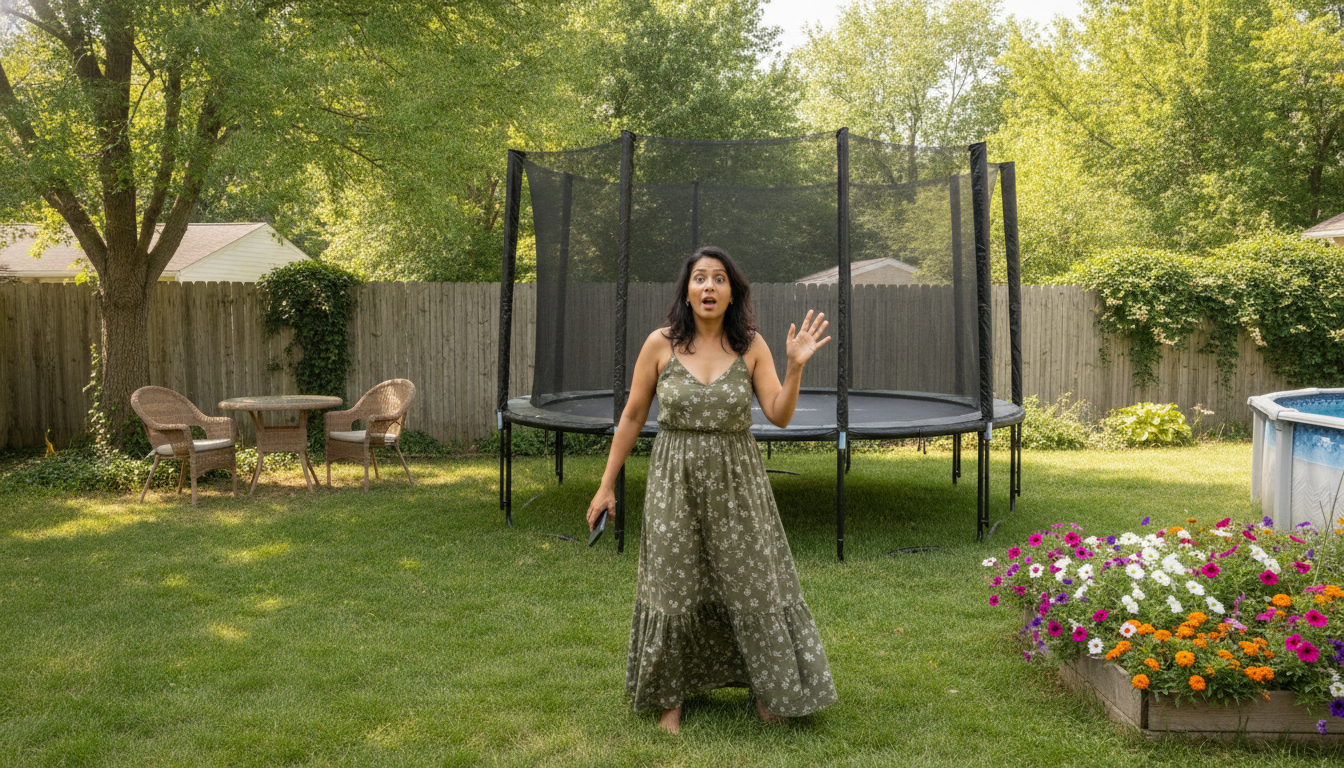
Priya and Sanjay Nair put a trampoline in their backyard for their two kids. One Saturday a neighbor’s eight-year-old climbed the fence while no one was watching and broke his arm on it. The medical bills and a liability claim followed. Their insurer paid, then sent two letters. The first was a $1,500 annual surcharge. The second warned that the trampoline had to be removed or the policy would not be renewed. The Nairs learned, the expensive way, that a backyard feature can reshape an entire homeowners policy, and that they could be on the hook even though the child was never invited.
The injury was bad enough. The bigger shock was how quickly the insurer treated their home as a higher risk, and how close they came to having no coverage at all.
What attractive nuisance means for your liability
Attractive nuisance is a legal doctrine, meaning a rule courts apply, that changes the usual logic about trespassers. Normally you owe little duty to someone who enters your property uninvited. But when the feature that drew them in is something a child would find irresistible and cannot understand the danger of, the rule flips. You can be held responsible for taking reasonable steps to prevent the injury.
A swimming pool is the classic example. A trampoline, a treehouse, an old refrigerator, or heavy machinery can qualify too. The thinking is simple. A young child sees a pool or a trampoline as fun, not as a hazard, so the law puts the burden on the property owner to fence it, cover it, or otherwise make it harder to reach.
In plain terms: if you own something on your land that predictably tempts kids and could hurt them, “they should not have been there” is not a defense the way it would be for an adult. That single shift is why insurers treat these features as a category of their own.
How insurers treat pools and trampolines
Insurers price risk by how likely and how expensive a claim is. Pools and trampolines score high on both, so carriers respond in one of several ways, and you may face any of them at any renewal:
- A premium surcharge, often a few hundred to over a thousand dollars a year, to carry the added risk.
- A safety requirement, such as a fence of a minimum height with a self-latching gate, or netting and padding on a trampoline.
- A liability exclusion that carves the feature out of your coverage entirely, so a claim tied to it is not paid.
- Non-renewal or refusal to write the policy at all while the feature exists.
Which response you get depends on the carrier, your state, and the specific feature. Trampolines draw the harshest treatment from many insurers because the injury rate is high and the cost of fencing one off is not. The pattern mirrors how carriers handle other elevated-liability risks, such as the dog-breed restrictions written into many policies. The common thread is a feature the insurer believes makes a serious injury claim more likely.
Where your liability coverage can stop
Your homeowners policy includes personal liability coverage, the part that pays when someone is injured on your property and you are responsible. The problem is the limit and the exclusions.
Standard liability limits often start at $100,000. A serious injury to a child, surgery, rehabilitation, long-term care, or a lawsuit, can blow past that quickly, and any amount above your limit comes out of your own pocket. Understanding how liability coverage works on a residential policy is the first step to seeing whether your limit is anywhere near enough.
The sharper danger is an exclusion. If your policy specifically excludes trampoline or pool injuries, or if you failed to disclose the feature when you bought the policy, the carrier can deny the liability claim entirely. Then the injury is fully yours to pay. This is the same principle that governs the rest of your policy, where named limits and exclusions, not the overall coverage amount, decide a claim. It is the reason it pays to know how to compare homeowners policies on their exclusions, not just their price, and to understand that even property coverage runs on specific sublimits most owners never read.
How to stay insured and protected
You do not have to choose between a backyard your kids enjoy and a policy that holds. You do have to manage the risk on the insurer’s terms.
First, tell your insurer about the pool or trampoline before they find out from a claim. An undisclosed feature is a denial waiting to happen. Disclosing it lets you learn the carrier’s requirements and meet them on your schedule, not under pressure after an injury.
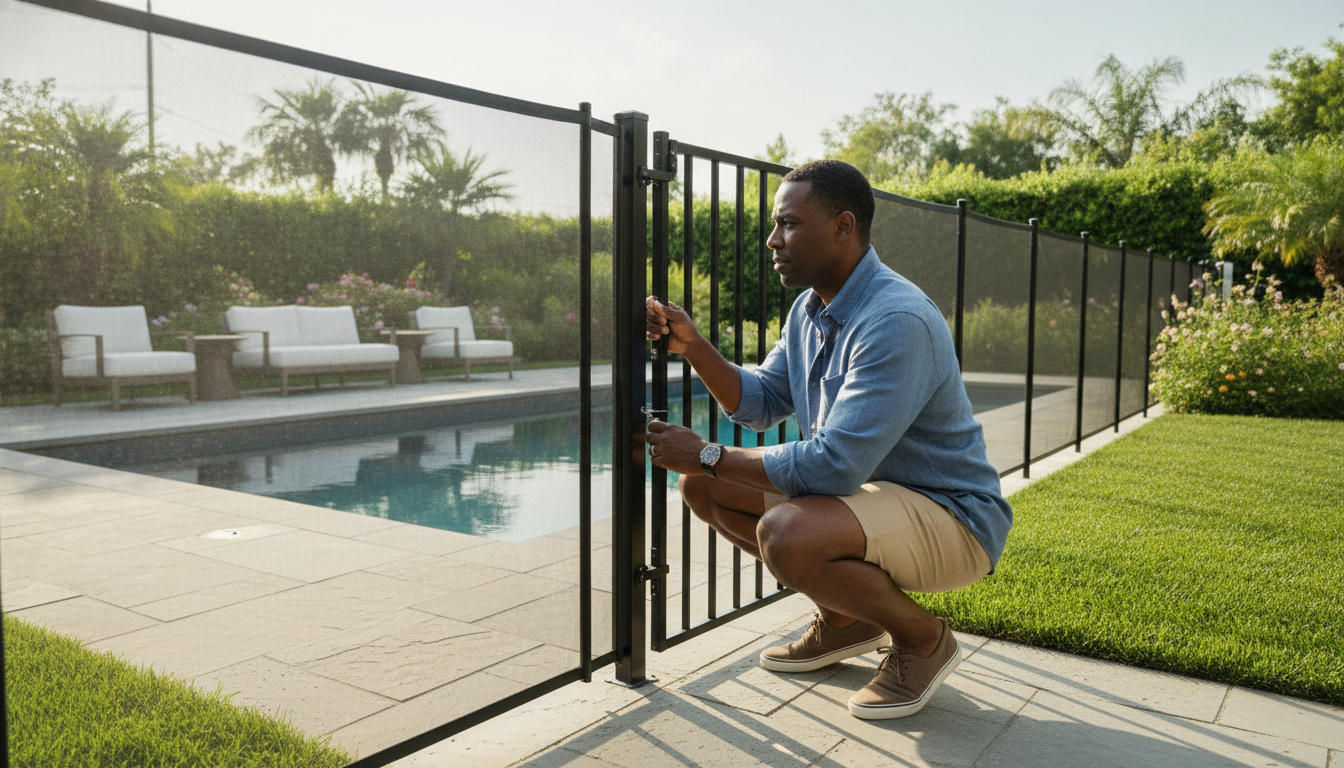
Second, build the safeguards the doctrine practically demands: a fence at least four feet high with a self-latching, self-closing gate around a pool, plus a cover; safety netting and padding on a trampoline, ideally with it fenced as well. These steps reduce both the chance of an injury and the chance an insurer drops you.
Third, raise your liability limit and add a personal umbrella policy. An umbrella adds $1,000,000 or more of liability coverage above your homeowners limit for roughly $150 to $300 a year. For a household with a pool or trampoline, that is the single most cost-effective protection against a claim that exceeds your base coverage. Do this before the injury, because no policy will cover a claim you try to add after the fact.
Got a pool or trampoline and unsure if you are covered?
Compare homeowners policies on liability limits and exclusions before an injury tests your coverage.
Compare Homeowners Insurance →Frequently asked questions
Can I be sued if a trespassing child is hurt on my property? Yes, under the attractive nuisance doctrine. If you own something a child would find tempting and dangerous, such as a pool or trampoline, courts can hold you responsible for failing to take reasonable steps to prevent the injury, even if the child entered uninvited.
Why do insurers charge more or refuse to cover trampolines? Trampolines have a high injury rate and those injuries are expensive, so the likelihood and cost of a liability claim are both elevated. Many carriers respond with a surcharge, a fence or netting requirement, an exclusion, or non-renewal until the trampoline is removed.
Will my homeowners insurance cover a pool injury? It depends on your policy. Personal liability coverage may pay if the feature was disclosed and is not excluded. If the pool was undisclosed or your policy specifically excludes pool injuries, the claim can be denied and the cost falls on you.
How much liability coverage do I need with a pool or trampoline? More than the standard $100,000 most policies start with. A serious child injury claim can reach several hundred thousand dollars. Raising your homeowners liability limit and adding a personal umbrella policy of $1,000,000 or more is the common recommendation for these households.
Does a fence around my pool lower my insurance risk? Yes. A self-latching fence of the height your state or insurer requires, along with a cover, reduces both the chance of an injury and the chance an insurer surcharges or drops you. Many carriers require it before they will write the policy at all.
A pool or trampoline can quietly turn your home into a higher-risk property and your standard liability limit into a thin line of defense. Disclose the feature, fence it, and raise your coverage before anyone gets hurt. The homeowners who come through a backyard injury intact are the ones who added the umbrella policy in advance, because once a child is injured, the only coverage that matters is the coverage you already had.