9 min read · Last updated September 14, 2026
- A standard condominium unit-owners policy (HO-6) includes only $1,000 of loss assessment coverage built in, confirmed in the actual policy language insurers use, and Florida law sets a $2,000 statutory floor.
- A condo association’s master property policy carries its own per-occurrence deductible, and the board can legally bill that deductible back to every unit owner as a special assessment split by ownership percentage.
- The ISO (Insurance Services Office) Supplemental Loss Assessment Coverage endorsement, form HO 04 35, raises the built-in limit and, on newer policy editions, extends to deductible-driven assessments specifically.
- A single Miami special assessment case put some unit owners on the hook for more than $40,000 each, a real example of how large a per-unit share can get.
The $1,000 built into most HO-6 policies is a liability-era leftover, not a number sized to what a modern master-policy deductible actually costs a unit owner. Raising it with an endorsement is inexpensive; not raising it means paying the gap out of pocket, often within 30 days of a board vote.
In this article
- How the board’s deductible became Priya’s bill
- Why the $1,000 limit almost never covers it
- Raising the limit with the HO 04 35 endorsement
- What to check in your declaration before you need it
- Frequently asked questions
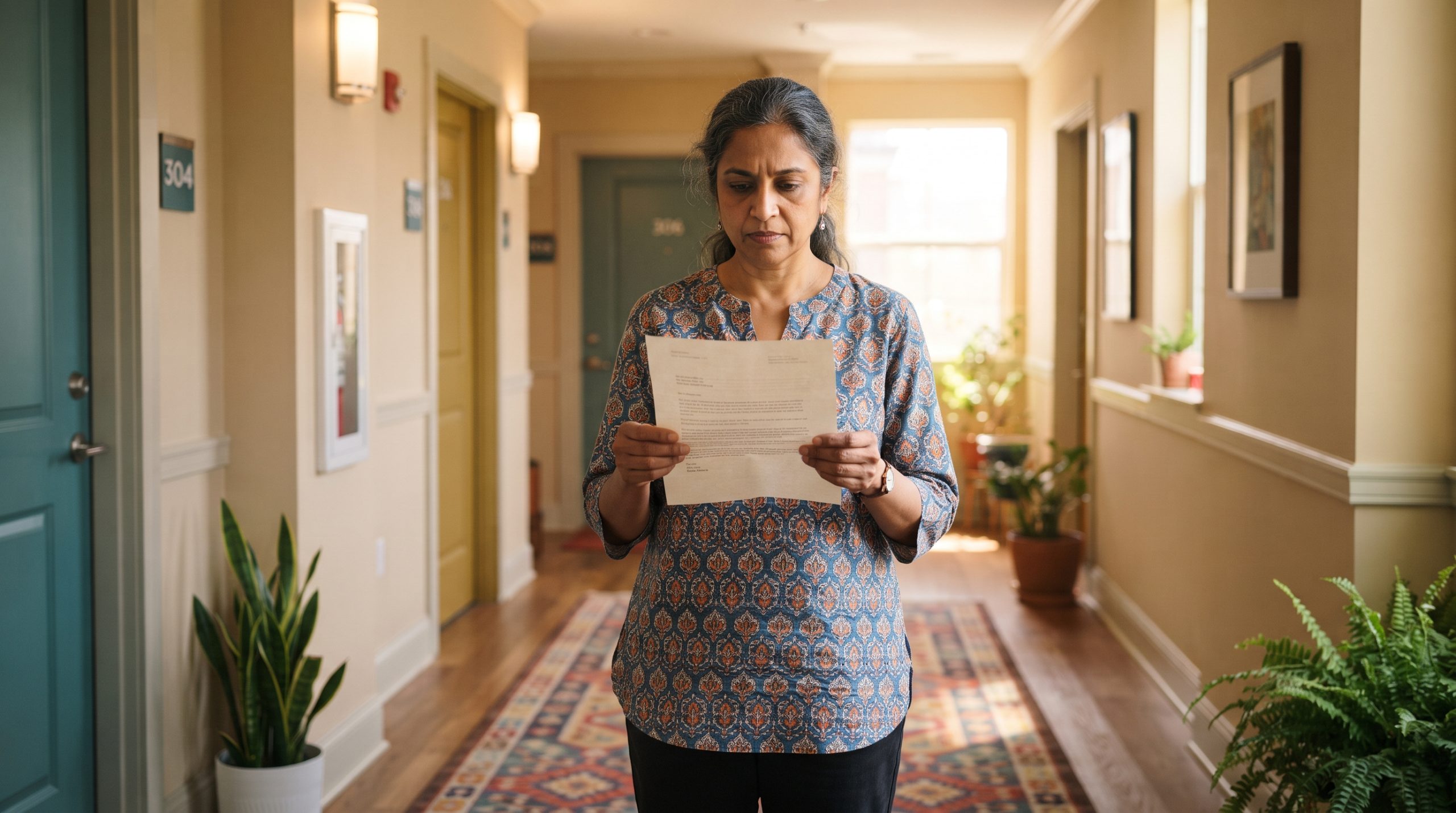
Priya Chandran, a 52-year-old marketing consultant who owns a two-bedroom unit in an eight-unit boutique condominium building in Sarasota, Florida, opened a certified letter from her association’s board in March and found a $15,000 bill she had never budgeted for. A named windstorm had torn loose a section of the building’s roof deck and driven rain into the common corridors of the top floor two months earlier. The association’s master property policy paid for the repair, but only after the policy’s own $120,000 named-storm deductible was satisfied first, and the board voted to recover that deductible from the eight unit owners under the authority spelled out in the building’s recorded declaration.
How the board’s deductible became Priya’s bill
A condominium association’s master policy is the insurance that covers the building itself: the roof, the exterior walls, the structural common elements. Every recorded declaration also states each unit’s percentage of undivided common ownership, and that percentage is what the board uses to divide costs the master policy doesn’t fully absorb, including its own deductible. At Meridian Bay, the eight units are similarly sized, so each carries a 12.5 percent ownership share.
When an insurer pays a windstorm claim, it subtracts the deductible before cutting a check, exactly the way a car insurance claim works. The association still owes that deductible amount for the repair to actually get paid in full. Florida condominium law and most other states’ condo statutes allow the board to levy a special assessment for that shortfall without a membership vote, as long as the declaration authorizes it, which nearly all modern declarations do. The board isn’t asking Priya for a favor. It’s billing her for a debt the building’s insurance policy left behind.
The math is not complicated once you see it laid out, and it’s worth doing the arithmetic on your own building’s numbers rather than assuming your share will be small.
| Line item | Amount |
|---|---|
| Total covered windstorm repair cost (roof deck and corridor water damage) | $340,000 |
| Master policy named-storm deductible (per occurrence) | $120,000 |
| Priya’s percentage of common ownership (1 of 8 similarly sized units) | 12.5% |
| Priya’s calculated special assessment (12.5% of $120,000) | $15,000 |
| Priya’s built-in HO-6 loss assessment coverage limit | $1,000 |
| Out-of-pocket gap Priya owed with no coverage behind it | $14,000 |
Smaller associations often produce bigger individual shares, not smaller ones, because there are fewer units to spread the cost across. A 12.5 percent share on an eight-unit building does more damage to one owner’s bank account than a 1 percent share on a 100-unit tower carrying the identical deductible.
Why the $1,000 limit almost never covers it
The number that actually appears in most unit-owner policies is not a marketing estimate. It’s contract language. As PropertyCasualty360, an insurance trade publication, quotes directly from the standard ISO form, the policy states: “We will pay up to $1,000 for your share of loss assessment charged during the policy period against you.” That sentence is the entire built-in benefit on most HO-6 policies sold today, and it applies whether the assessment is $1,500 or $150,000.
The International Risk Management Institute (IRMI), a property and casualty industry reference publisher, states an HO-6 policy “usually comes with only $2,000 of loss assessment coverage,” a separate baseline from the $1,000 figure above but still nowhere near a real deductible-driven assessment. IRMI’s own guidance for agents doesn’t soften the conclusion: unit owners routinely discover their coverage is inadequate only after an assessment lands, and its recommendation is to add $50,000 to $100,000 in supplemental limits to every HO-6 policy specifically because the base amount, whether $1,000 or $2,000, is so far below what a real assessment can reach.
Florida goes further than the ISO default. State law requires every residential condominium unit owner’s policy issued or renewed after July 1, 2010, to include at least $2,000 in property loss assessment coverage, not the bare $1,000 minimum. Even that statutory floor would have covered barely 13 percent of Priya’s $15,000 bill. On her actual $1,000 policy, it covered less than 7 percent.
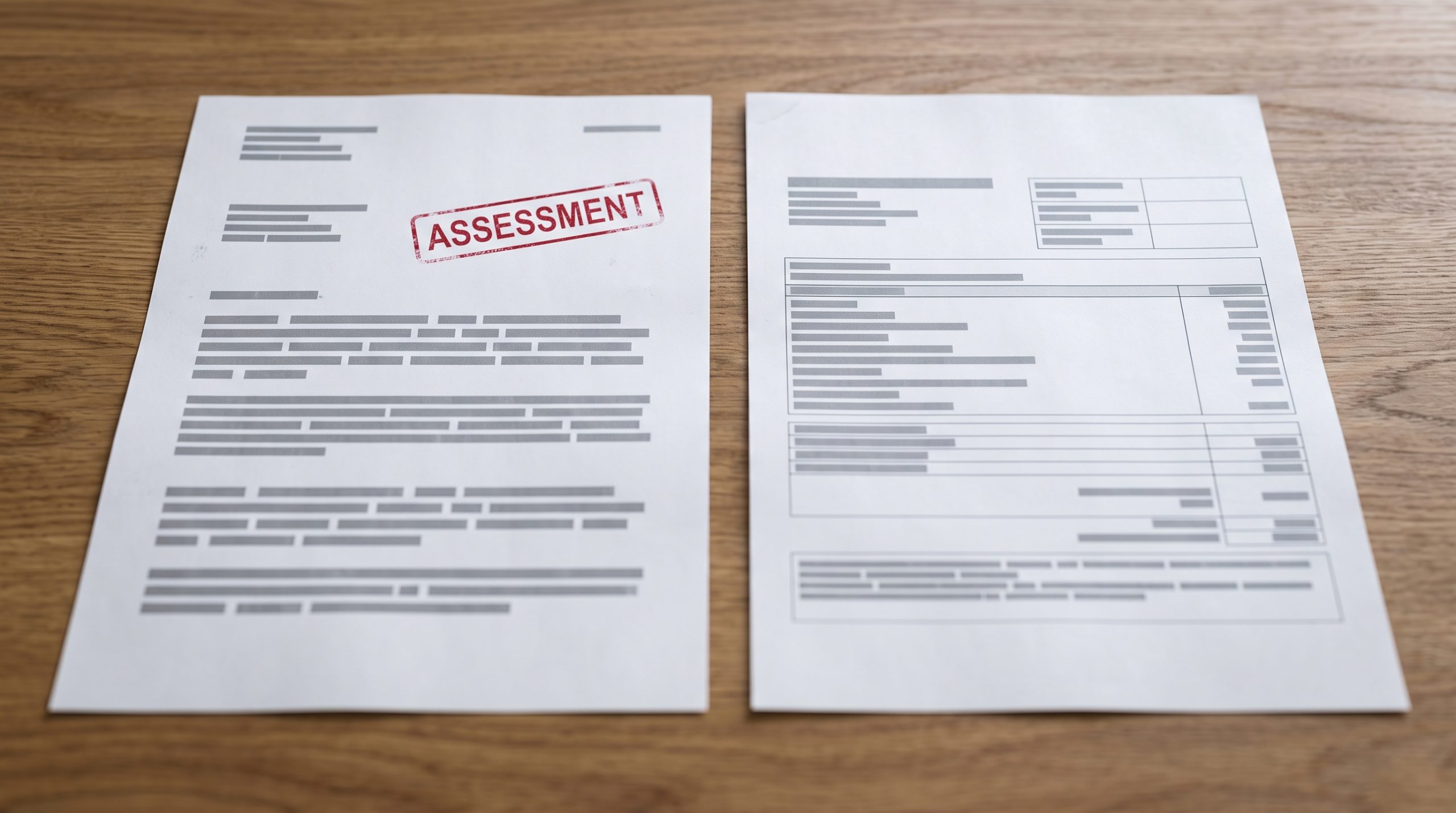
This isn’t a hypothetical worst case built for a headline. A widely reported 2026 special assessment at a Brickell-area Miami condominium totaled $21 million across the association, and some individual unit owners faced bills exceeding $40,000 apiece for facade, roof, and pool-deck repairs. The mechanic is identical to Priya’s: a shortfall in what insurance and reserves cover gets divided among owners under the declaration’s formula, and a personal policy is the only thing standing between that bill and their savings.
Raising the limit with the HO 04 35 endorsement
The fix is a single endorsement, not a policy switch. ISO’s Supplemental Loss Assessment Coverage form, HO 04 35, attaches to a standard HO-6 policy and raises the built-in limit to whatever amount the unit owner selects, commonly in increments up to $25,000, $50,000, or $100,000. Carriers price the increase modestly relative to the exposure it removes; IRMI’s own recommendation to agents calls the coverage inexpensive enough that adding $50,000 to $100,000 in additional limits to every HO-6 policy is a standard best practice, not an upsell. Progressive’s own consumer guidance echoes the same point from the carrier side, describing loss assessment coverage as an endorsement that “typically has a low annual cost” relative to the size of assessment it can absorb, and notes that association deductibles themselves “can range up to $25,000 or higher.”
One detail is worth confirming with your agent directly rather than assuming: not every endorsement schedule extends its full purchased limit to a deductible-driven assessment specifically, since some older policy editions handled an association’s-deductible assessment differently from a general special assessment. Ask your agent to confirm, in writing, that your specific endorsement’s full purchased limit applies to a deductible-driven assessment like Priya’s before you assume a $25,000 limit will actually pay $25,000 on one.
Had Priya carried a $25,000 supplemental limit through the current-edition endorsement instead of the bare $1,000 default, her entire $15,000 bill would have been paid in full, with room left for a second, smaller assessment in the same policy year.
What to check in your declaration before you need it
Two documents answer the question before a letter ever arrives. Ask the association’s management company for the current master policy’s declarations page, which lists the named-storm and all-other-perils deductibles as specific dollar figures, not percentages you have to calculate yourself. Then pull your own unit’s percentage of common ownership from the recorded condominium declaration, since that percentage, not an equal per-unit split, usually determines your share unless the declaration explicitly states otherwise. Multiplying those two numbers gives a realistic worst-case assessment, the same calculation behind the table above, and that number is what should set your loss assessment coverage limit, not the $1,000 the policy showed up with.
Wind and hail damage to a building’s exterior is one of the most common triggers for this kind of deductible-driven assessment, and the mechanics of how a percentage deductible on the underlying property claim differs from a flat one are covered in more detail in DailyInsurance.news’s guide to wind and hail percentage deductibles. A unit owner’s own personal property inside the walls carries its own separate sublimits worth checking at the same time, explained in this breakdown of personal property sublimits on a homeowners policy. And when a covered loss triggers a rebuild that has to meet a newer building code, the gap between what a policy pays and what code compliance actually costs works the same way loss assessment does, detailed in this article on ordinance or law coverage.
Frequently asked questions
What is loss assessment coverage on a condo insurance policy? Loss assessment coverage is a benefit built into a condominium unit-owners policy (HO-6) that pays your share when the association bills unit owners for a shortfall in the master policy, such as an unmet deductible or an underinsured loss. The standard built-in limit is commonly $1,000, far below what many real assessments cost.
How much loss assessment coverage should I carry on my HO-6 policy? Multiply your master policy’s stated per-occurrence deductible by your unit’s percentage of common ownership from the recorded declaration. That figure is a realistic worst-case assessment. Industry guidance from IRMI recommends carrying $50,000 to $100,000 in supplemental limits on most HO-6 policies.
Does loss assessment coverage pay for my condo association’s insurance deductible? Yes, when the assessment results from the association applying its own master policy deductible to a covered loss. Some older policy editions capped this type of assessment at a lower amount regardless of the overall limit purchased, so confirm with your agent, in writing, that your specific endorsement’s full purchased limit applies to a deductible-driven assessment before you rely on it.
Can my condo association legally bill me for its insurance deductible? Yes. Most state condo statutes, and nearly every recorded declaration, authorize the board to levy a special assessment for costs the master policy doesn’t fully cover, including its own deductible, without a full membership vote. The assessment is typically divided by each unit’s stated percentage of ownership.
Is loss assessment coverage expensive to increase? No. Carriers generally price increases in modest per-thousand-dollar increments relative to the exposure removed. Industry commentary describes the coverage as inexpensive enough that raising the limit to $50,000 or more is considered standard practice for most condominium unit owners, not a significant premium increase.
Don’t let a $1,000 limit cover a $15,000 bill
Compare homeowners and condo insurance quotes and see what raising your loss assessment coverage actually costs.
Compare Homeowners Insurance Quotes