7 min read · Last updated June 29, 2026
In this article
- What Coverage B actually insures
- Why 10% runs out faster than owners expect
- The structures people forget are even on the policy
- How to set a Coverage B limit that matches your property
- Frequently asked questions
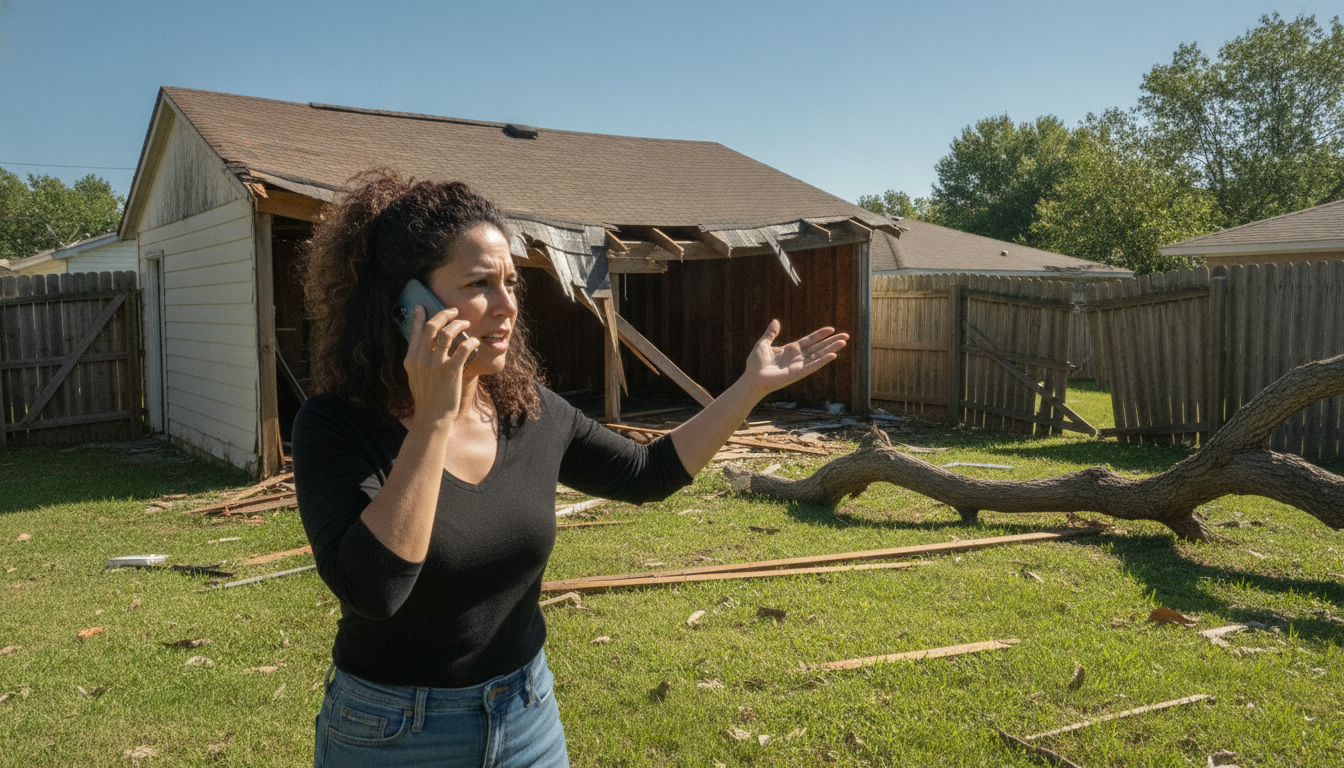
Rosa Medina watched a summer storm drop a 60-foot oak across her backyard, flattening her detached garage and taking out 40 feet of fence with it. The garage held her late husband’s woodworking shop. The rebuild estimate came back at $52,000 for the garage and fence together. Rosa carried a homeowners policy with a $300,000 dwelling limit and assumed a six-figure policy would handle a garage. When the adjuster called, he explained that detached structures fall under Coverage B, capped at 10% of the dwelling limit. Her maximum payout was $30,000, minus her deductible. The remaining $22,000 was hers to find.
Rosa’s policy was working exactly as written. The garage was covered, the cause of loss was covered, and the math was simply capped at a number she had never looked at. She learned the limit existed on the day she needed it to be higher.
What Coverage B actually insures
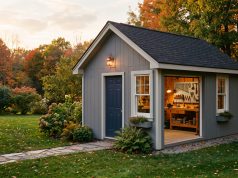
A standard homeowners policy is divided into coverage parts labeled by letter. Coverage A is the dwelling, the house itself and anything attached to it, like an attached garage or a deck bolted to the structure. Coverage B, “other structures,” covers buildings and structures on your property that are not attached to the house. That includes a detached garage, a backyard shed, a fence, a gazebo, a guest cottage, a detached workshop, and often the driveway gate and in-ground items.
The dividing line is physical attachment. If a structure is connected to the house, it is part of Coverage A and the full dwelling limit stands behind it. If it stands on its own, it draws from the much smaller Coverage B pool. Most homeowners never notice the split because nothing tests it until a detached structure is damaged. The same letter-by-letter structure governs how contents are limited, which is explained in personal property sublimits on homeowners insurance.
Why 10% runs out faster than owners expect
Coverage B is set as a percentage of Coverage A, almost always 10%, sometimes less on older policies. A $300,000 dwelling limit produces $30,000 of other structures coverage. A $500,000 home produces $50,000. The figure is automatic, and it is the same whether your lot has a single small shed or a detached three-car garage with an apartment above it.
That is the heart of the problem. The 10% was set by a formula, not by an appraisal of what your detached structures would actually cost to replace. Construction costs have climbed, and a detached garage can easily cost $40,000 to $70,000 to rebuild on its own. If your real exposure is higher than 10% of your dwelling limit, you are underinsured on those structures by default, the same kind of gap that appears when a dwelling limit itself lags rebuild cost, as covered in extended versus guaranteed replacement cost coverage.
It gets tighter because the limit is shared. Coverage B is not $30,000 per structure. It is $30,000 for every detached structure combined. When Rosa’s garage and fence were both destroyed in one storm, they competed for the same pool, and the pool was gone before the fence was paid in full.
The structures people forget are even on the policy
Homeowners think of Coverage B as “the garage,” but the list is longer and quieter than that. A fence is a structure, and a long perimeter fence can be a five-figure replacement by itself. So are a detached deck or pergola, a storage shed, a backyard studio, a carport, a retaining wall, a flagpole, a mailbox post, an arbor, and a detached pool house. Even the driveway and walkways can fall here on some policies.
Any of these can be damaged in the same event that hits the garage. After a major loss, the depreciation applied to older detached structures shrinks the check further before the cap even comes into play, which is why understanding recoverable depreciation on a homeowners claim matters as much as the limit itself. The combination of a low percentage cap, a shared pool, and depreciation is how owners end up tens of thousands short on structures they did not realize were grouped together.
How to set a Coverage B limit that matches your property
The fix is inexpensive and takes one phone call. Ask your insurer or agent to increase your Coverage B limit by endorsement. You can usually raise it to 20%, 30%, or a specific dollar figure that reflects what your detached structures would actually cost to rebuild. The added premium is typically modest, because detached-structure losses are less frequent than losses to the main home.
Start by estimating replacement cost for each detached structure, not its market or tax-assessed value. A contractor’s rough rebuild number per structure is enough to total your real exposure. Then compare that total to your current Coverage B limit. If there is a gap, close it before storm season, not after. Rosa had owned her home for 19 years and never adjusted the limit that came with the original policy. The garage that held her husband’s shop is being rebuilt, but $22,000 of it is coming out of her retirement savings, for the sake of an endorsement that would have cost a few dollars a month.
Frequently asked questions
What is other structures coverage on homeowners insurance? Other structures coverage, or Coverage B, pays to repair or rebuild structures on your property that are not attached to your house. That includes a detached garage, shed, fence, gazebo, or guest cottage. It is separate from Coverage A, which covers the house itself, and it carries its own, much smaller limit.
Is a detached garage covered by homeowners insurance? Yes, but under Coverage B, not the main dwelling limit. Coverage B is usually capped at 10% of your dwelling coverage, so a $300,000 home provides about $30,000 for all detached structures combined. If your detached garage costs more than that to rebuild, you are underinsured unless you raise the limit.
Does homeowners insurance cover a fence damaged by a storm? A fence is a detached structure, so storm damage to it is generally paid under Coverage B, subject to your deductible and depreciation. The catch is that the fence shares the Coverage B limit with your garage, shed, and every other detached structure, so a single large storm can exhaust the pool quickly.
How much other structures coverage do I need? Estimate the replacement cost of every detached structure on your lot, then add them together. If that total is higher than 10% of your dwelling limit, raise your Coverage B limit by endorsement to match. Use rebuild cost, not market or assessed value, since insurance pays to rebuild, not to buy.
Can I increase my Coverage B limit? Yes. Most insurers let you raise other structures coverage to 20%, 30%, or a set dollar amount by endorsement, usually for a small added premium. Call before a loss occurs, because you cannot raise the limit after the damage is done. It is one of the cheapest gaps in a homeowners policy to close.
Check your other structures limit before the next storm
Compare homeowners policies and see how carriers set and raise Coverage B for detached garages, sheds, and fences.
Compare Homeowners Insurance →