8 min read · Last updated June 15, 2026
In this article
- How a replacement cost claim actually pays out
- What recoverable depreciation is and why it is held back
- The deadline that makes depreciation non-recoverable
- ACV versus RCV: the policy choice that drives all of this
- What to do when your claim check looks short
- FAQ
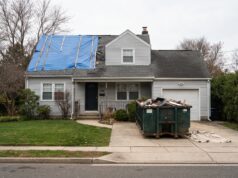
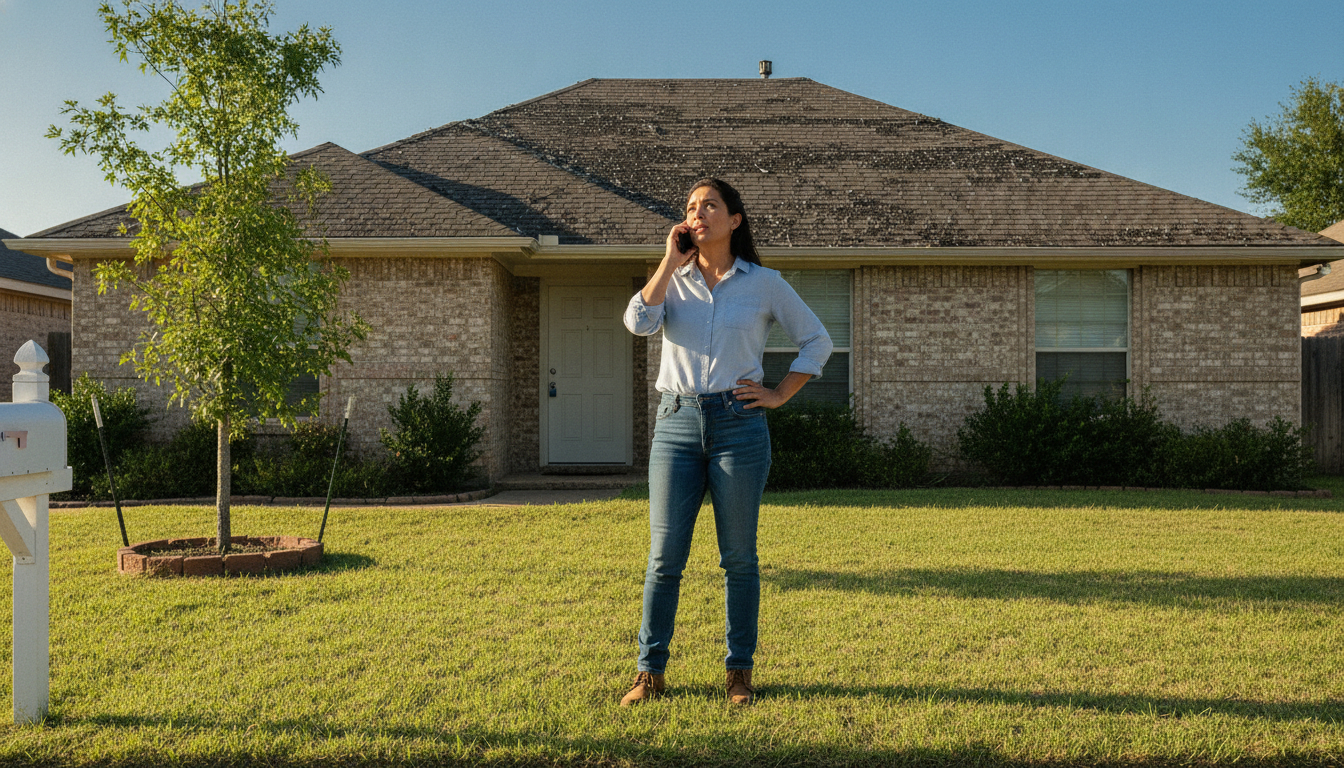
Elena Vargas filed a hail claim on her home outside San Antonio after a spring storm shredded the shingles. Her adjuster approved a roof replacement at $21,400. The first check arrived for $13,200. Elena assumed the insurer had lowballed her and that the $8,200 difference was simply denied. It was not. That $8,200 was recoverable depreciation, money the policy owed her but held back until the new roof was installed and she submitted the contractor’s final invoice. She had almost let the claim sit, accepted the short check, and patched the roof herself. Doing that would have cost her the $8,200 permanently. In a state where home insurance premiums have climbed 56% since 2020, leaving that much on the table is the kind of mistake homeowners cannot afford.
How a replacement cost claim actually pays out
A replacement cost value (RCV) policy promises to pay what it costs to replace damaged property with new property of like kind and quality. But it almost never pays that full amount up front. Instead the insurer splits the payment into two stages.
The first payment is the actual cash value, or ACV. That equals the replacement cost minus depreciation, which is the value the item lost from age and wear before the damage. A 12-year-old roof has used up a large share of its useful life, so the depreciation on it is significant.
The second payment is the recoverable depreciation, released after you actually complete the repair or replacement and prove it with a paid invoice. Add the two checks together and you get the full replacement cost the policy promised, minus your deductible.
In plain terms: the insurer pays you the depreciated value first, watches you do the work, then reimburses the difference. They withhold the depreciation so that homeowners cannot pocket the full new-roof amount and never fix the roof.
What recoverable depreciation is and why it is held back
Recoverable depreciation is the portion of a claim the insurer subtracts from the first check but agrees to pay later once the repair is finished. The word “recoverable” is the key. It is recoverable because the policy will give it back to you, unlike non-recoverable depreciation, which is gone for good.
Insurers hold it back for two reasons. First, it prevents fraud and moral hazard. If they paid full replacement cost up front, some homeowners would take the money and skip the repair. Second, it confirms the actual cost. If your roof ends up costing less than the estimate, the insurer only owes the real number.
The mechanics matter because the dollar figures are large. On a roof, an HVAC system, or a kitchen, depreciation can be a third to half of the total claim. The amount of coverage you carry on the dwelling itself sets the ceiling, but the ACV-versus-RCV split decides how much of an approved claim you actually receive and when.
The deadline that makes depreciation non-recoverable
Here is where most of the lost money happens. Every replacement cost policy gives you a window to complete the repair and submit the final documentation. Miss that window and the recoverable depreciation converts to non-recoverable. It is no longer owed to you.
The deadline is usually 180 days from the date of loss or the date of claim approval, though it ranges from 6 months to 2 years depending on the carrier and state. Some insurers grant extensions if you ask before the deadline, especially after a widespread storm when contractors are backed up for months.
In plain language, this is a “use it or lose it” payment. Before you decide a short claim check is final, read your settlement letter for the depreciation recovery deadline, then make sure your contractor’s schedule fits inside it. If a storm has every roofer in your area booked past the deadline, call your insurer and request an extension in writing before the date passes, not after.
ACV versus RCV: the policy choice that drives all of this
Whether you face a two-check process at all depends on a coverage choice you made when you bought the policy. Actual cash value coverage pays only the depreciated value of the damage, period. There is no second check and no recoverable depreciation, because the policy never promised replacement cost in the first place.
Replacement cost coverage costs more in premium, but it is the only way to receive the full cost of a new roof or new system rather than the depreciated value of the old one. On an older roof the gap between the two is enormous. ACV coverage on a 15-year-old roof might pay 40% of replacement, while RCV coverage pays 100% once the work is done.
This is the same RCV-versus-ACV distinction that drives how older roofs are valued on a property claim. Some carriers in storm-prone states have quietly moved older roofs to ACV-only settlement through an endorsement, so a homeowner who thinks they have replacement cost coverage may discover the roof specifically is settled on a depreciated basis. Reading the fine print on how a homeowners policy pays out before a loss is the only way to know which version you actually own.
What to do when your claim check looks short
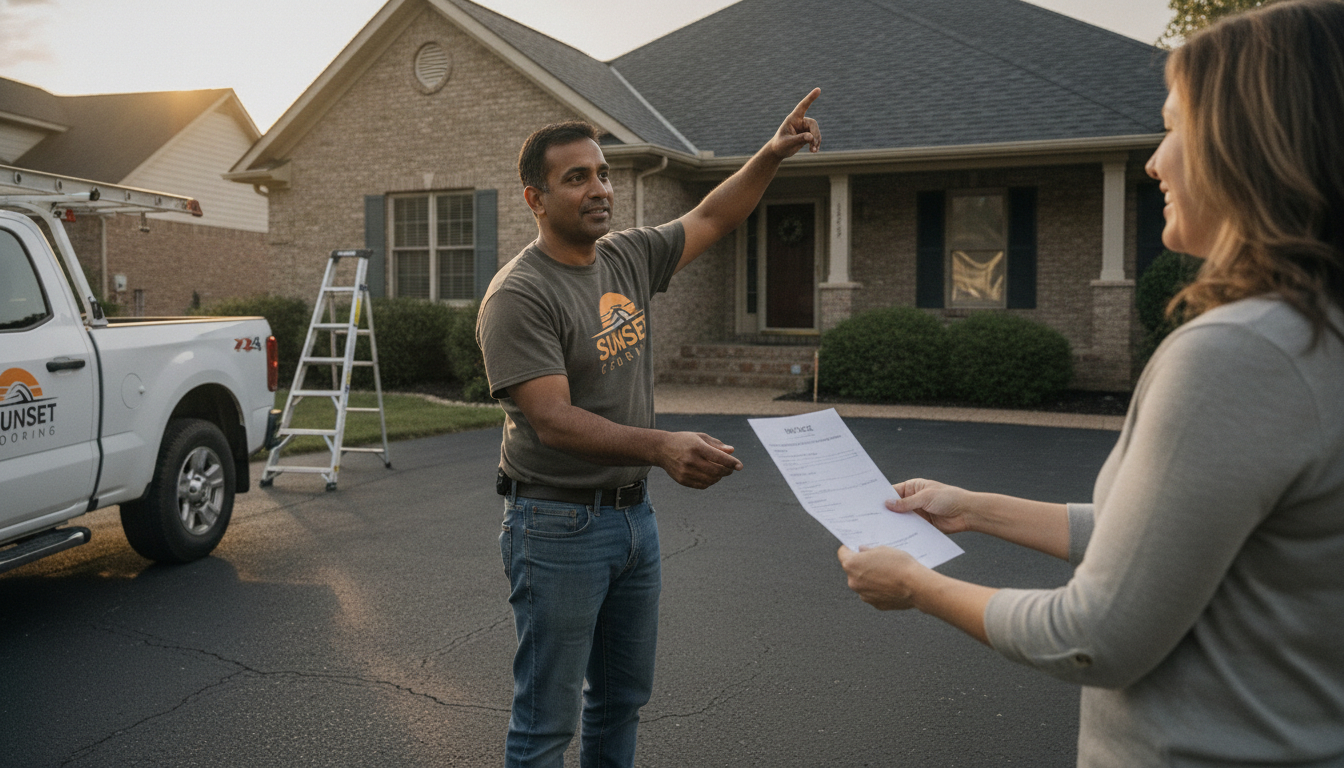
Four steps when the first check comes in lower than the approved estimate:
1. Read the loss settlement worksheet. The adjuster’s statement lists the replacement cost, the depreciation, and the ACV separately. If the difference is labeled recoverable depreciation, it is money you will get back, not a denial. 2. Complete the repair with a documented contractor. The recoverable depreciation is released only against a real, paid invoice. Keep every receipt and the signed contract. 3. Submit the final invoice before the deadline. Send the paid invoice to your adjuster and request the depreciation release. Confirm the deadline in your settlement letter and beat it. 4. Ask for an extension if contractors are backed up. After a major storm, request a written extension before the deadline passes. Most carriers grant them when asked in advance.
Skipping the documentation, or deciding the short check is all you are getting, is how homeowners forfeit thousands of dollars that the policy already approved. The money is yours. You just have to finish the job and prove it.
FAQ
What does recoverable depreciation mean on an insurance claim?
Recoverable depreciation is the part of a claim the insurer holds back from the first check but agrees to pay you after the repair is complete. On a replacement cost policy, the first payment is the depreciated value, and the recoverable depreciation is the rest, released once you submit a paid final invoice.
Why was my insurance check less than the repair estimate?
On a replacement cost policy the insurer pays in two parts. The first check is actual cash value, which is the repair cost minus depreciation. The withheld depreciation is not a denial. It is recoverable and gets paid after you finish the repair and send the final invoice before the policy deadline.
How do I recover depreciation from my insurance company?
Complete the repair with a licensed contractor, keep the signed contract and paid invoice, then submit that paid invoice to your adjuster and request the recoverable depreciation release. You must do this before the deadline in your settlement letter, usually within 6 months to 2 years of the loss.
What happens if I do not repair the damage?
If you do not complete and document the repair before the deadline, the recoverable depreciation becomes non-recoverable. The insurer keeps it and owes you nothing beyond the first actual cash value check. You forfeit the held-back amount permanently.
Is recoverable depreciation taxable?
Generally no. Insurance proceeds that reimburse you for repairing or replacing damaged property are usually not taxable income, because they restore you rather than create a gain. Tax situations vary, so confirm with a tax professional for your specific circumstances.
See how replacement cost coverage compares before your next claim
An actual cash value policy never pays a second check. Compare homeowners policies that settle claims on a full replacement cost basis so a short first check does not become your final payment.
Compare Homeowners Insurance Quotes →