5 min read · Last updated May 28, 2026
In this article
- How insurance classifies an e-bike
- The motorized vehicle exclusion in the auto policy
- The companion gap in homeowners and renters policies
- When uninsured motorist still pays you
- FAQ
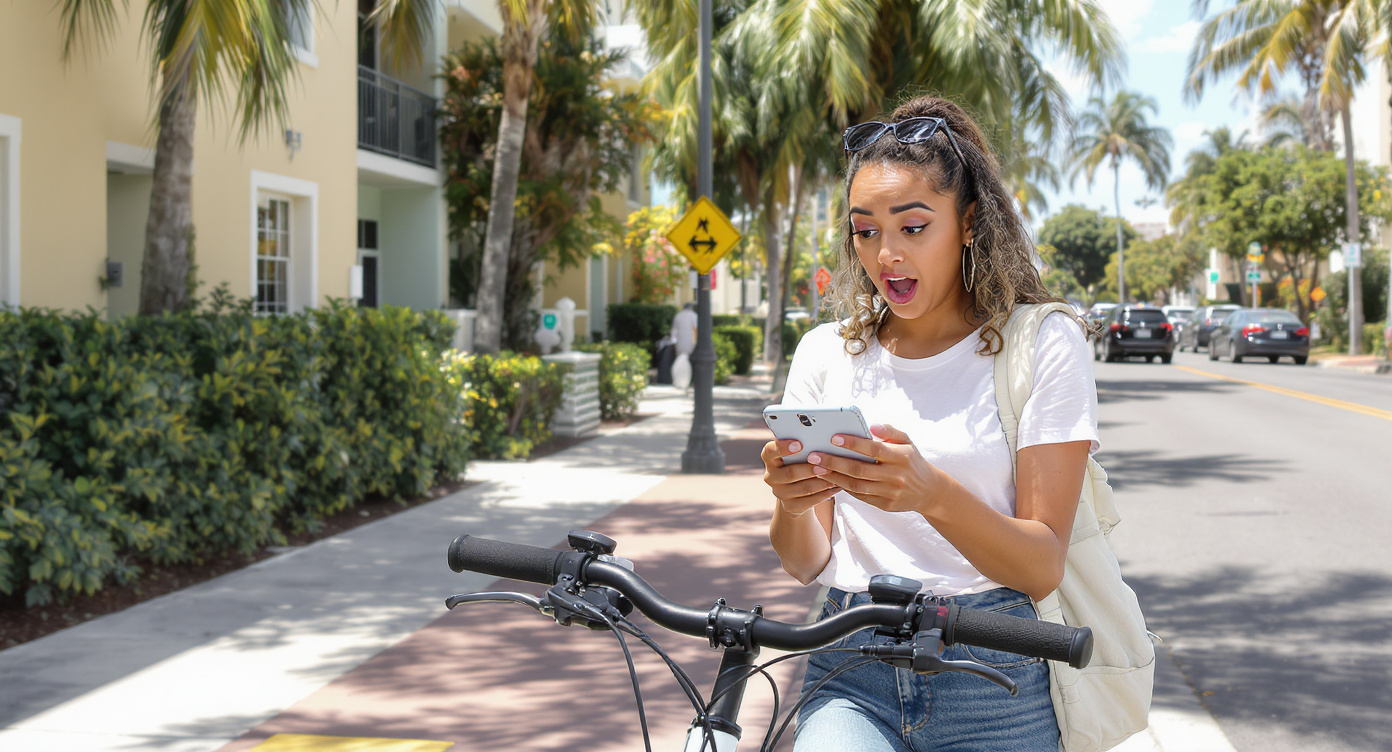
Maya Okonkwo, a 29-year-old graphic designer in Miami, was rear-ended on her $2,400 Class 3 e-bike on Brickell Avenue in March. The driver’s insurance was set to cover her medical bills, but a 90-day claim dispute over the driver’s coverage limits sent her looking at her own carriers. Her auto carrier told her the e-bike was a motorized vehicle excluded from her personal auto policy. Her renters carrier told her the e-bike fell under the same motorized vehicle exclusion in her contents coverage. She paid $2,100 to repair the bike and $4,800 in medical co-pays before the at-fault driver’s settlement arrived ten months later.
How insurance classifies an e-bike
Federal law, 15 U.S.C. 2085, defines a low-speed electric bicycle as a two- or three-wheeled vehicle with fully operable pedals, an electric motor under 750 watts, and a top motor-assisted speed under 20 mph. State law layers on top with three classes:
- Class 1: pedal-assist only, motor cuts at 20 mph
- Class 2: throttle-assist allowed, motor cuts at 20 mph
- Class 3: pedal-assist only, motor cuts at 28 mph
Insurance carriers look at the motor wattage and the top speed. Anything over 750 watts or 28 mph generally trips the carrier’s threshold for “moped” or “motorcycle,” which sits in a different policy form entirely — one that prices and structures coverage more like the gap between motorcycle insurance and car insurance than anything in a standard auto policy. Class 1 and Class 2 e-bikes are sometimes treated like bicycles by homeowners policies, but only if the policy form explicitly says so. The default is exclusion.
The motorized vehicle exclusion in the auto policy
The ISO personal auto policy, the base form most national carriers build from, defines “your covered auto” as a four-wheeled motor vehicle listed on the dec page, a newly acquired vehicle, a temporary substitute, or a non-owned auto used with permission. E-bikes do not satisfy any of those definitions. They are two-wheeled and not on the dec page.
There is one important distinction. The auto policy does not cover the bike itself or liability arising from riding it. The auto policy does still cover you, the policyholder, as a person under your medical payments and uninsured motorist provisions if a car hits you while you ride. The policy attaches to you, not the bike. We cover that mechanic in detail in what makes up an auto insurance policy.
The companion gap in homeowners and renters policies
The ISO HO-3 homeowners form and the HO-4 renters form both exclude “motor vehicles” from personal property coverage, with carve-outs for golf carts, riding lawnmowers, and certain low-speed electric vehicles operated on the insured premises. The personal liability section (Coverage E) excludes bodily injury and property damage arising from the ownership or operation of a motor vehicle, with similar carve-outs for unregistered, on-premises-only equipment.
Class 1 and Class 2 e-bikes sometimes squeak through the homeowners exclusion because they top out at 20 mph and operate similarly to bicycles. Most carriers will quietly cover them if pressed. Class 3 e-bikes, with their 28 mph cap, almost always fall on the exclusion side. Some carriers (State Farm, Liberty Mutual, USAA in some states) offer a bicycle endorsement that names e-bikes specifically and provides theft, collision, and personal liability coverage with sub-limits typically running $1,500 to $5,000. The endorsement adds $20 to $80 per year. Worth it if your bike cost more than $2,000.
When uninsured motorist still pays you
If a car driver causes the crash and lacks adequate coverage, your own auto policy’s uninsured and underinsured motorist coverage can pay for your medical bills, lost wages, and pain and suffering, even though you were on an e-bike at the time. UM bodily injury follows the person, not the vehicle. The same mechanic is why your auto policy’s medical payments coverage can apply to you as a pedestrian.
What it does not cover: the bike itself, theft, or liability if you cause an accident. For those exposures, you need either a homeowners bicycle endorsement (Class 1 and 2 sometimes) or a standalone e-bike policy from Markel, Velosurance, or Sundays Insurance. Standalone e-bike coverage commonly includes agreed-value bike replacement (not depreciated like a car), $25,000 to $100,000 personal liability, $5,000 to $25,000 medical payments, theft coverage that travels with the bike, and even spare parts and accessories. Annual premiums run $100 to $250 depending on bike value, class, and coverage limits. Gaps work the same way for ride-share workers using bikes – check our breakdown of rideshare insurance coverage gaps and the different types of auto insurance coverage for the full picture.

Compare auto insurance quotes that disclose e-bike coverage and UM limits up front.
See which carriers offer bicycle endorsements with e-bike coverage and what your UM bodily injury limit will pay if a car hits you on the bike.
FAQ
Does my car insurance cover me if I crash my e-bike? The standard personal auto policy excludes e-bikes from its definition of a covered auto, so the policy will not pay for damage to the bike or for liability arising from the e-bike ride. However, your auto policy’s medical payments and uninsured/underinsured motorist coverages follow you as a person, so they can still pay for your injuries if a car causes the crash.
Does homeowners or renters insurance cover an e-bike that gets stolen? Class 1 and Class 2 e-bikes sometimes qualify under a homeowners or renters bicycle endorsement, but most policies exclude motorized vehicles by default. Class 3 e-bikes (top speed 28 mph) almost always fall on the exclusion side. Read the personal property and liability exclusions carefully, and ask your agent for the specific endorsement form that adds coverage.
What is the difference between a Class 1, 2, and 3 e-bike for insurance purposes? Class 1 is pedal-assist only with a 20 mph motor cut-off, Class 2 adds throttle-assist with the same 20 mph cap, and Class 3 is pedal-assist only with a 28 mph cap. Class 3 triggers the broadest insurance exclusions because the higher speed crosses regulatory thresholds and pushes the bike closer to moped territory in carrier underwriting.
Do I need a separate insurance policy for an e-bike? If your bike cost more than $2,000, a Class 3 model, or you ride frequently in traffic, a standalone e-bike policy from Markel, Velosurance, or Sundays Insurance closes the gap that the auto and homeowners policies leave open. Coverage typically includes agreed-value bike replacement, $25,000 to $100,000 personal liability, theft coverage, and medical payments for $100 to $250 per year.
Does my uninsured motorist coverage pay if a car hits me while I am riding my e-bike? Yes. Uninsured and underinsured motorist bodily injury coverage follows the person, not the vehicle, so it applies if a car driver causes the crash and lacks adequate coverage. The auto policy will still not cover the bike or your liability, but your UM coverage can pay for your medical bills, lost wages, and pain and suffering up to your limit.