7 min read · Last updated November 4, 2026
- Six federal circuit courts (3rd, 4th, 5th, 6th, 7th, and 9th) have now rejected class certification in lawsuits over how insurers value a totaled car, most recently the Sixth Circuit’s en banc ruling in Clippinger v. State Farm on April 24, 2026.
- Every court gave the same reason: valuing one specific car, by its year, make, model, mileage, options, and condition, is too individualized a question to answer for an entire class at once.
- An Ohio state case, Davenport v. Progressive, went the other way at the appeals court level and is now awaiting a decision from the Ohio Supreme Court, so the question is not fully closed everywhere.
- The policy’s own appraisal clause, a binding one-on-one dispute process, is what actually got the named driver in the Sixth Circuit case an extra payment of more than $4,000, even after her class action failed.
A total loss valuation class action against an auto insurer now fails in six federal circuits, all holding that one driver’s claim cannot stand in for a whole class. The driver whose case set that rule in April 2026 still got paid more anyway, just not through the class action.
In this article
- The adjustment drivers are fighting over
- Six circuits, one answer
- The Ohio case that isn’t settled yet
- What actually paid: the appraisal clause
- What this means if your total-loss payout looks low
- Frequently asked questions
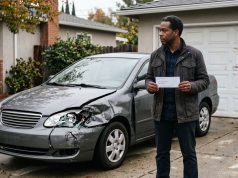
Soledad Granger’s sedan was totaled in a parking-lot collision. Her insurer’s valuation software landed on a number that felt low against what similar cars were actually selling for nearby.
She wasn’t alone in that reaction. For years, thousands of drivers with the same complaint joined class actions covering tens of thousands of claims at once. That path has mostly closed in the last eighteen months.
The adjustment drivers are fighting over
The core dispute is narrow and technical, which is exactly why it keeps going to court. When an insurer totals a vehicle, it pays actual cash value, the amount a comparable car would sell for locally.
To find that number, insurers and vendors like CCC and Mitchell pull a set of “comparable” vehicle listings. Then they apply a downward adjustment before averaging them, on the theory that a listed asking price is higher than what a buyer actually negotiates down to.
Progressive’s version of this is called a Projected Sold Adjustment, or PSA. Drivers in multiple states argue the adjustment is applied mechanically, shaving payouts below true market value regardless of whether a specific car’s listing would really have sold for less.
Six circuits reject the total loss valuation class action
Starting in 2023 and accelerating through 2025, six federal circuit courts of appeals have each considered whether a class of drivers can sue together over this adjustment.
Every one has said no. The Third Circuit’s Drummond v. Progressive Specialty Insurance Co. reversed certification in July 2025. The Fourth Circuit’s Freeman v. Progressive Direct Insurance Co. did the same that August.
Bourque v. State Farm Mutual Automobile Insurance Co. vacated a Louisiana class in the Fifth Circuit back in 2023.
The Seventh Circuit’s Schroeder v. Progressive Paloverde Insurance Co. reversed an Indiana class in July 2025, and the Ninth Circuit’s Lara v. First National Insurance Co. of America affirmed a denial back in 2022.
The Sixth Circuit, sitting en banc, joined them on April 24, 2026. That case, Clippinger v. State Farm Mutual Automobile Insurance Co., reversed an earlier three-judge panel that had let a 90,000-driver Tennessee class go forward.
Reporting on the decision quoted the court’s own reasoning: “the question whether a breach occurred will instead depend on a different inquiry: comparing what State Farm paid a class member to the fair market value of the class member’s car.” Fair market value, the court wrote, turns on vehicle-specific facts like “the year, make and model, mileage, options, and the overall condition of the vehicle,” which is exactly why State Farm’s own adjustment, a “typical negotiation adjustment” (TNA), couldn’t be resolved for the whole class at once.
The court pointed to Clippinger’s own vehicle as the example.
Her insurer’s own appraiser valued it at $14,432, while the other two appraisers in the binding three-person process agreed instead on $18,476.
The Ohio case that isn’t settled yet
One state court has not followed the federal circuits, at least not yet. Davenport v. Progressive Direct Insurance Co., an Ohio state lawsuit over the same Projected Sold Adjustment theory, was certified as a class action by a Cuyahoga County trial court.

Ohio’s Eighth District Court of Appeals affirmed that certification in July 2025. Progressive appealed, and the Ohio Supreme Court agreed to hear the case, hearing oral argument on June 10, 2026. As of this writing, no decision has been issued.
The same appeals court ruled the other way in a related case months later. In Stewart v. Farmers Insurance of Columbus, decided April 23, 2026, the Eighth District held that once an insurer resolved a driver’s individual dispute through the policy’s binding appraisal process, no live dispute remained for a class action to ride on, and it threw out the entire case.
Two cases, the same appeals court, pointing in different directions depending on how far each dispute had gone before the class claim was filed.
What actually paid: the appraisal clause
Every policy caught up in these lawsuits already has the one tool that matters most if your own total-loss payout looks low: a binding appraisal clause. Either side can invoke it when they disagree on a covered loss’s dollar value.
Each side picks its own appraiser, the two appraisers pick a neutral umpire, and the umpire’s decision on the amount is binding on both sides.
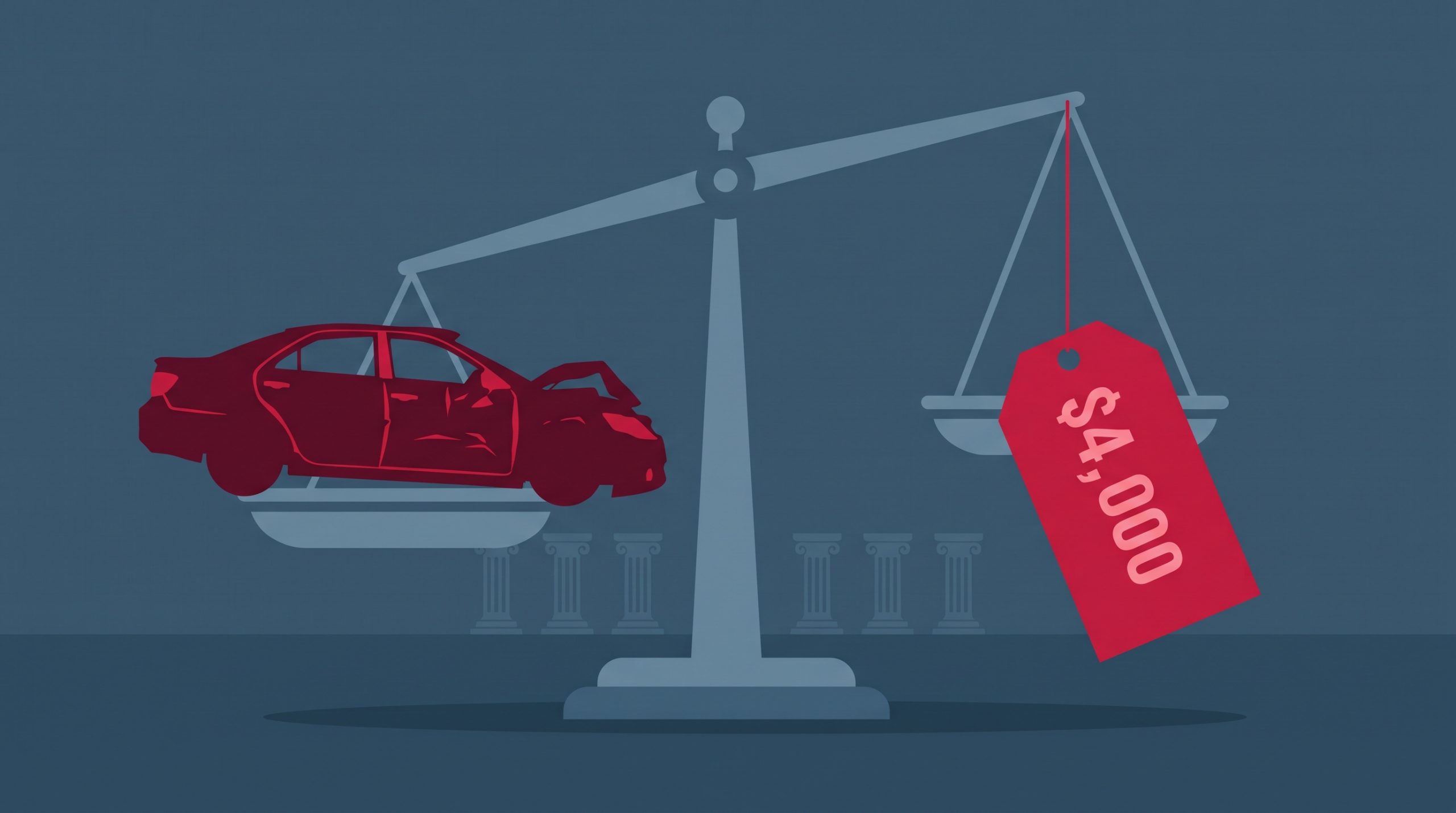
It is worth noting what happened to Clippinger herself once her class action failed. The same reporting on the Sixth Circuit’s ruling notes that her own individual appraisal produced an additional payment of more than $4,000 on top of State Farm’s original offer.
Her class action lost. Her individual appraisal still paid.
What this means if your total-loss payout looks low
Joining or starting a class action is no longer a realistic first move in most of the country. Pull your own policy and look for the appraisal clause before anything else, usually a short paragraph under “loss payment” or “conditions.” If it’s there, invoking it is a direct, binding path to a second opinion on the dollar amount.
It does not require a lawsuit, a lawyer, or waiting on a class to form.
Compare your insurer’s number against real listings for the same year, make, model, mileage, and options before deciding whether the gap is worth pursuing at all. Our guide to how the total-loss threshold works and our breakdown of owner-retained salvage deductions cover the two decisions that usually come right before this one.
Frequently asked questions
Can I still sue my car insurance company over a low total-loss payout? You can still file an individual lawsuit in most places, but joining or starting a class action has become much harder. Six federal circuit courts have now ruled that valuing a specific totaled car is too individualized a question to decide for a whole class at once, so most of these cases now proceed individually, if at all.
What is a Projected Sold Adjustment? It’s a downward adjustment some insurers and their valuation software apply to comparable vehicle listings before calculating your car’s actual cash value, on the theory that a listed asking price is higher than what a buyer would actually pay. Drivers in multiple lawsuits have argued this adjustment is applied mechanically and shaves payouts below true market value.
What is an appraisal clause in an auto insurance policy? It’s a built-in dispute process for when you and your insurer disagree on the dollar value of a covered loss, not on whether the loss is covered at all. Each side picks an appraiser, the two appraisers pick a neutral umpire, and the umpire’s decision on the amount is binding on both sides.
Is the total-loss valuation lawsuit issue settled everywhere? No. Six federal circuits have ruled against class certification on this theory, but an Ohio state case, Davenport v. Progressive, went the other way at the appeals court level and is still awaiting a decision from the Ohio Supreme Court as of this writing.
How do I challenge my insurer’s total-loss valuation on my own? Check your policy for a binding appraisal clause, which lets you get a neutral, binding second opinion on the dollar value without filing a lawsuit. Compare the insurer’s figure against real local listings for the same year, make, model, mileage, and condition before deciding whether to invoke it.
Not happy with how your last claim was valued?
Compare auto insurance quotes and see what a different carrier would have paid before your next renewal.
Compare Auto Insurance Quotes