5 min read · Last updated July 24, 2026
- Medical Payments coverage (MedPay) pays crash-related medical bills regardless of who caused the accident, with no deductible.
- It covers you, your passengers, and you as a pedestrian or a passenger in someone else’s car, up to the limit you buy (usually $1,000 to $10,000).
- MedPay is not the same as Personal Injury Protection (PIP), which also replaces lost wages and is mandatory in no-fault states.
- Its main value is filling the deductible and copays your health insurance leaves behind, often for less than $10 a month.
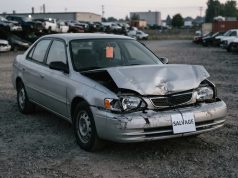
Dana Reyes was a passenger in a friend’s car when it was rear-ended at a red light in Phoenix. Her injuries were minor, but the ER visit, X-rays, and a follow-up left her with $2,300 in bills her health insurance did not cover, all deductible and copays. Her friend’s auto policy carried Medical Payments coverage, and it paid the entire $2,300 without anyone first proving who was at fault.
What Medical Payments coverage actually is
Medical Payments coverage, almost always shortened to MedPay, is an optional add-on to an auto policy. It pays reasonable medical and funeral expenses that result from a car accident, no matter who caused it. There is no deductible and no fault investigation. If the injury came from the crash, MedPay pays up to the limit you chose.
The Insurance Information Institute lists MedPay among the standard auto insurance coverage types, and it is available in most states as a low-cost option. State regulators, through the National Association of Insurance Commissioners, also classify medical payments as an optional coverage that is separate from the liability you are legally required to carry. Limits are small, typically $1,000, $5,000, or $10,000, which is why the premium is usually only a few dollars a month.
MedPay vs PIP vs your health insurance
The confusion around MedPay comes from two lookalike coverages. It helps to see all three side by side.
| Feature | MedPay | PIP | Health insurance |
|---|---|---|---|
| Pays regardless of fault | Yes | Yes | Yes |
| Covers your passengers | Yes | Yes | No |
| Replaces lost wages | No | Yes | No |
| Deductible | None | Usually none | Yes |
| Typical limits | $1,000 to $10,000 | $10,000 to $50,000+ | Plan out-of-pocket max |
| Where offered | Optional, most states | Mainly no-fault states | Everywhere |
| Best for | Covering health-plan deductibles and copays | Broader injury and wage coverage in no-fault states | Ongoing and non-crash care |
The short version: Personal Injury Protection is broader and includes lost wages, but it is mainly sold in no-fault states and is often required there. MedPay is narrower, medical bills only, and is an optional add-on almost anywhere. Your health insurance covers medical care too, but it comes with a deductible and copays, and it does not cover your passengers.
Who MedPay actually covers
MedPay follows the people, not just the car. It covers you and any passengers in your vehicle when the crash happens. It also covers you and your family members if you are hit as pedestrians, or if you are injured riding in someone else’s car. That same “follows the person” mechanic is why MedPay on your auto policy can still pay out if you’re hit by a car while riding an e-bike, even though the e-bike itself is excluded as a covered vehicle.
That passenger coverage is the piece most drivers overlook. Your health plan will never pay a friend’s medical bills, but your MedPay will. Understanding what makes up an auto insurance policy shows how MedPay sits alongside your liability and collision coverage as a separate promise focused on injuries.
Why the limits are small, and how to choose one
MedPay is not designed to cover a catastrophic injury. That is the job of the at-fault driver’s liability coverage, your own uninsured and underinsured motorist coverage, and your health plan. MedPay is designed to close the immediate gap: the deductible, the copays, the first bills that arrive before any of those larger sources pay out.
For most drivers with solid health insurance, a $5,000 limit is enough to absorb a typical deductible and out-of-pocket maximum for a moderate crash. If you regularly carry passengers, or your health plan has a high deductible, step up to $10,000. The cost difference between limits is small.

When MedPay is essential and when it is not
Skip the guessing and match it to your situation. MedPay earns its keep when you have a high-deductible health plan, when you frequently drive passengers, or when you live in an at-fault state where there is no PIP option. In those cases the few dollars a month buys real protection against out-of-pocket crash bills.
It matters less if you already carry generous PIP in a no-fault state, since PIP covers the same medical bills and more. Even then, some drivers add a small MedPay layer to cover the PIP deductible. When you do use it, MedPay generally does not raise your rates the way an at-fault liability claim can, though you should still follow the steps in our guide to filing a car insurance claim.
Frequently asked questions
What does medical payments coverage pay for? It pays reasonable medical expenses from a car accident, such as ambulance rides, ER visits, X-rays, surgery, dental work, and funeral costs. It pays regardless of who caused the crash and has no deductible, up to the limit you purchased.
Is MedPay the same as PIP? No. Both pay medical bills regardless of fault, but Personal Injury Protection also covers lost wages and some essential services, and it is mandatory in no-fault states. MedPay is medical-only and is an optional add-on in most at-fault states.
Does MedPay cover passengers? Yes. MedPay covers you and everyone riding in your car at the time of the crash, and it covers you and your household family members if you are hit as a pedestrian or injured in another person’s vehicle. Your health insurance will not pay a passenger’s bills, but MedPay will.
Do I need MedPay if I have good health insurance? It still helps. Health insurance leaves you with a deductible and copays, and it never covers your passengers. MedPay fills those gaps with no deductible, which is why drivers with high-deductible plans and drivers who carry passengers benefit most.
Does using MedPay raise my rates? Usually not. MedPay is a no-fault coverage, so filing a MedPay claim generally does not carry the same rate impact as an at-fault liability or collision claim. Rate rules vary by insurer and state, so confirm with your carrier.
See what MedPay and full auto coverage cost side by side
Compare quotes and find out how little it costs to cover the deductibles and copays your health plan leaves behind.
Compare Auto Insurance Quotes