8 min read · Last updated September 14, 2026
- Texas defines a “salvage motor vehicle” as one where repair costs exceed the vehicle’s pre-damage actual cash value (ACV), no fixed percentage required, under Transportation Code Section 501.091.
- Keeping a totaled car under Texas’s owner-retained process means the insurer subtracts the car’s salvage (auction) value from the payout, not just the deductible.
- A repaired Texas salvage vehicle gets a “Rebuilt Salvage” brand that is carried forward on every future title for the life of the car, plus a $65 state fee.
- The Texas Department of Insurance’s own consumer guidance warns that a salvage-branded vehicle “could be harder to sell or insure in the future.”
Owner-retained salvage lets a Texas policyholder keep a totaled vehicle by having the insurer deduct its salvage value from the settlement instead of surrendering the car for a full payout. The vehicle then carries a Rebuilt Salvage title for life, and most carriers restrict it to liability-only coverage going forward because a branded title is harder to value and carries a higher fraud and structural-repair risk than a clean one.
In this article
- What Actually Triggers a Salvage Title in Texas
- The Math Behind Owner-Retained Salvage
- From Salvage Title to Rebuilt Salvage Title
- Why Comprehensive and Collision Coverage Disappears
- Frequently asked questions
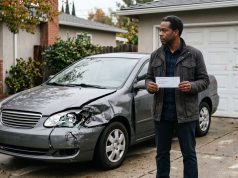
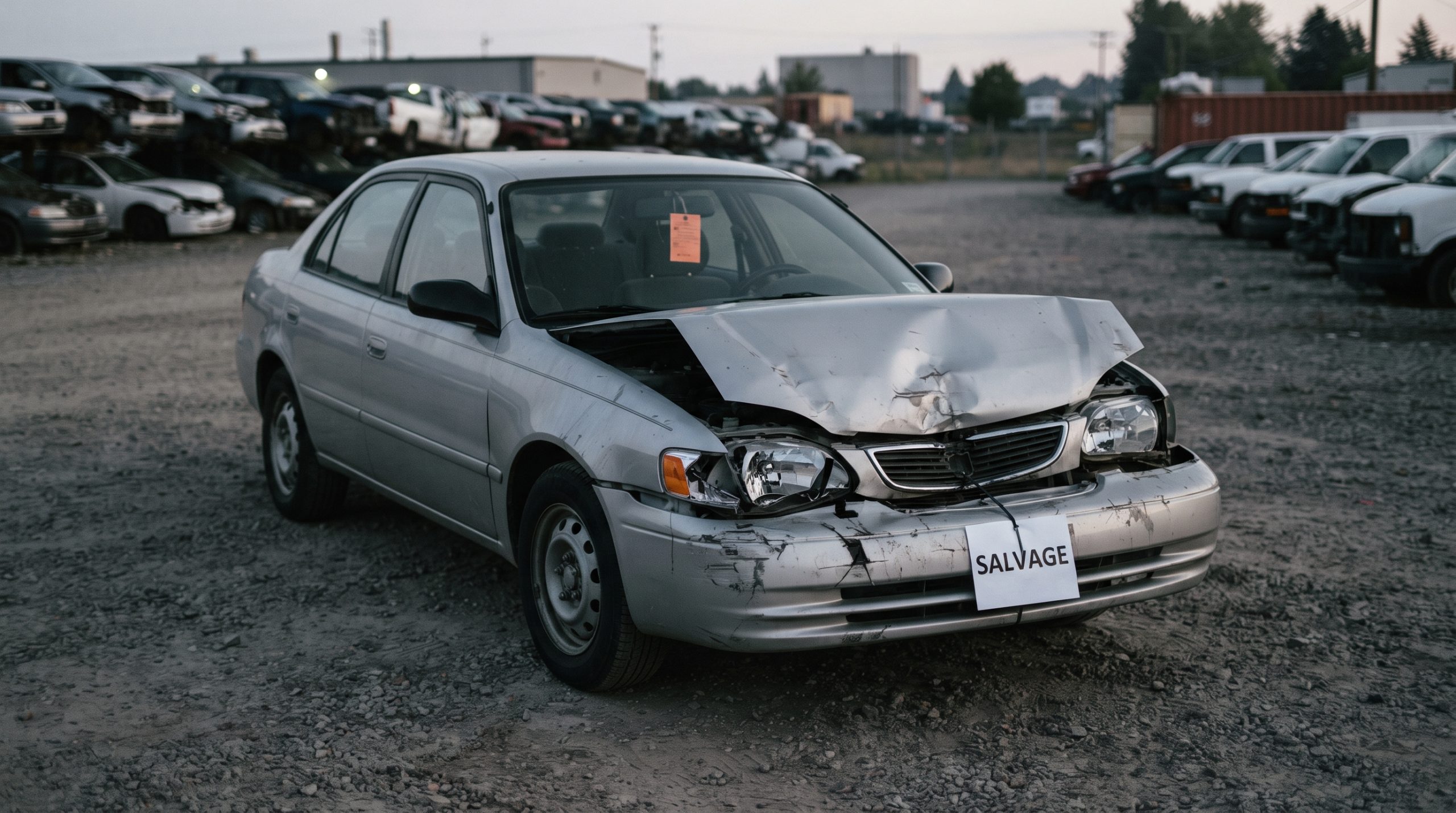
A wrecked car that still had a working engine and an intact frame cost its owner $10,850 more than simply handing over the keys would have. Jamal Pruitt found that out starting in June 2026, five weeks after another driver rear-ended him on Houston’s Gulf Freeway and put $19,850 of damage into his 2019 Honda Accord LX. His insurer’s actual cash value, or ACV, on the Accord came out to $18,400 based on its mileage and condition the day before the crash. Because the repair estimate topped that number, the car met Texas’s legal definition of a salvage motor vehicle before Jamal ever decided what to do next.
What Actually Triggers a Salvage Title in Texas
Every state sets its own rule for when a damaged car legally becomes a total loss, and DIN’s guide to how insurers set that threshold breaks down how it varies from state to state. Texas Transportation Code Section 501.091 defines a “salvage motor vehicle” as one where the cost of repairs “exceeds the actual cash value of the motor vehicle immediately before the damage.” There is no percentage cushion. If the repair estimate is one dollar over the pre-crash ACV, the vehicle qualifies as salvage under state law.
For Jamal, that meant his insurer offered two paths. Surrender the wrecked Accord and receive the ACV minus his $500 deductible, a $17,900 check with no car. Or keep it under Texas’s owner-retained salvage process and receive less cash but end up owning the vehicle again once it was repaired and retitled.
The ACV itself came from a mix of comparable sales in the Houston market, the car’s mileage, and its condition before the crash, the same method insurers use to set any total-loss payout regardless of whether the owner plans to keep the vehicle. Jamal’s adjuster shared the comparables used to reach $18,400 when he asked, which matched what similar 2019 Accord LX trade-ins were listing for that month. Nothing about the salvage decision changed how that number was calculated. It only changed what happened once the number was final.
The Math Behind Owner-Retained Salvage
Texas requires the insurer to file an Owner Retained Report, Form VTR-436, with the Texas Department of Motor Vehicles (TxDMV) within 31 days of paying the claim, according to the agency’s own Salvage/Nonrepairable Motor Vehicle Manual. Until that filing clears and a Salvage Vehicle Title is issued, the vehicle record is marked “LEGAL RESTRAINT-CONTACT TXDMV,” and the owner cannot legally drive or sell the car. The insurer does not simply hand the owner the full ACV settlement. It subtracts what the wrecked vehicle would have fetched at a salvage auction, called the salvage or bid value, before cutting the check.
| Item | Amount |
|---|---|
| Actual cash value (ACV) of the Accord before the crash | $18,400 |
| Standard collision deductible | $500 |
| Settlement if Jamal had surrendered the car | $17,900 |
| Salvage (auction bid) value deducted so Jamal could keep the car | $3,650 |
| Net settlement Jamal actually received | $14,250 |
| Jamal’s own money spent on repairs to pass the state inspection | $7,200 |
| Net cash difference versus surrendering the car | $10,850 less |
Jamal owned the Accord outright with no loan on it, so the shortfall came straight out of his own pocket rather than a lender’s. A driver still financing a totaled car faces a different squeeze between what the insurer pays and what’s owed, which is why DIN’s breakdown of gap insurance on a totaled loan balance is worth reading before deciding whether to keep a financed vehicle at all.
From Salvage Title to Rebuilt Salvage Title
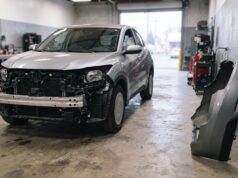
Once the salvage title issued, Jamal could not legally drive or register the Accord again until it was repaired and retitled. He hired a body shop, replaced the front frame rail and both airbags, and submitted a Rebuilt Vehicle Statement, Form VTR-61, listing every major component part used in the repair along with its vehicle identification number (VIN). The car also had to pass a state VIN inspection before TxDMV would issue a new title.
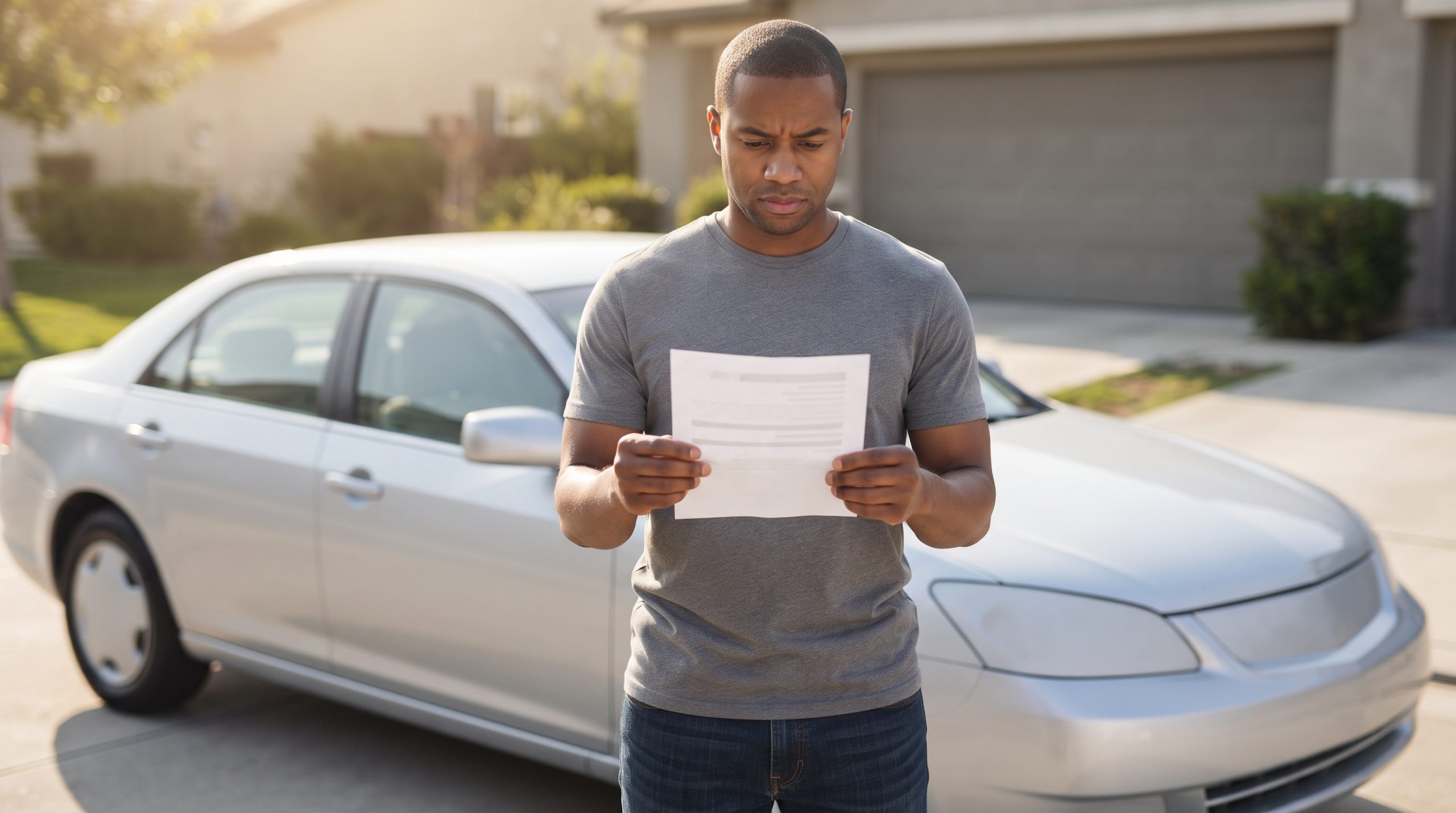
That new title is not a clean title. Per the TxDMV manual, it is branded “Rebuilt Salvage,” and those brands “are carried forward to subsequent certificates of title” for as long as anyone owns the car, alongside a one-time $65 Rebuilt Salvage Fee. This is a different, larger, and permanent hit than a diminished value claim. DIN’s explainer on diminished value after an accident covers the resale gap a clean-titled car takes after a covered repair, but a Rebuilt Salvage brand follows the vehicle identification number for its entire remaining life, no matter how well the repair was done.
Why Comprehensive and Collision Coverage Disappears
Once Jamal had his Rebuilt Salvage title in hand, he called his existing carrier and two others to add physical damage coverage back onto the Accord. All three would sell him liability-only. This matches the Texas Department of Insurance’s own consumer guidance on totaled vehicles, which tells owners directly that “the insurance company will subtract the car’s salvage value from the amount it was planning to pay you” if they keep the car, and warns plainly that a vehicle that had a salvage title “could be harder to sell or insure in the future.”
A branded title makes a car harder for an insurer to value at claim time, since there’s no reliable pre-loss comparison once the frame or a major structural part has been replaced. It also raises fraud exposure. A repaired vehicle can hide problems a standard inspection misses, from a frame that was straightened rather than replaced to airbags reinstalled without proper sensors, and a policy that pays out comprehensive or collision on an already-discounted vehicle is an easier target than one on a clean-title car. Texas’s guidance doesn’t name which specific carriers will or won’t underwrite physical damage coverage on a branded title, since that’s a company-by-company underwriting decision the state doesn’t set. Some non-standard carriers do write it, usually after their own inspection and often at a higher premium than a comparable clean-title policy would cost. What Texas does regulate is whether an owner can keep the car in the first place, and that rule is not the same everywhere.
| State | Can you keep a totaled vehicle? |
|---|---|
| Texas | Yes, for any vehicle meeting the salvage definition, through the insurer’s Owner Retained Report (Form VTR-436) filing with TxDMV |
| Illinois | Generally no. The Illinois Department of Insurance states its Vehicle Code “does not permit you the right to retain the salvage once the insurance company has deemed your auto a total loss,” with two exceptions: hail-only damage that doesn’t affect operational safety, or a vehicle nine model years or older |
Jamal’s option to keep his Accord at all was a function of driving in Texas. A driver in Illinois with the identical accident and an identical five-year-old sedan would, in most circumstances, have no choice but to surrender the car.
Frequently asked questions
What does owner-retained salvage mean in Texas? It means the insurer pays you for a totaled car but lets you keep it instead of taking possession. The insurer subtracts the vehicle’s salvage, or auction, value from your settlement, then files an Owner Retained Report with the Texas Department of Motor Vehicles so a salvage title can be issued in your name.
How much less do you get for keeping a totaled car in Texas? It varies by vehicle and damage, but the deduction is the salvage value, what the wrecked car would sell for at auction, not just your deductible. On a car worth roughly 20 percent of its pre-crash value as scrap, expect a settlement thousands of dollars lower than surrendering it.
What’s the difference between a salvage title and a Rebuilt Salvage title? A salvage title means the car cannot legally be driven or sold until repaired. Once it passes a state inspection and the paperwork is filed, Texas issues a Rebuilt Salvage title instead, which permits driving and registration but permanently discloses the vehicle’s history on every future title.
Can I get comprehensive and collision coverage on a Rebuilt Salvage title car? Often not from standard carriers. Many restrict a branded-title vehicle to liability-only coverage because the car is harder to value and carries more fraud and hidden-damage risk. Some non-standard or specialty insurers write physical damage coverage on rebuilt vehicles, but availability and terms vary by carrier.
Does every state let you keep a totaled car the way Texas does? No. Rules vary widely. Illinois, for example, generally does not let owners retain a totaled vehicle at all, with narrow exceptions for hail-only damage or older vehicles. Check your own state’s title-branding rules before assuming you’ll have the option.
Jamal came up $10,850 short just to keep a car he could barely insure
See what a policy that actually covers your situation looks like before your next renewal.
Compare Auto Insurance Rates