8 min read · Last updated September 7, 2026
- The standard ISO (Insurance Services Office) Personal Auto Policy, form PP 00 01, defines “policy territory” as the United States, its territories or possessions, Puerto Rico, or Canada, plus transport of the vehicle between those places. Mexico is not on that list.
- Mexico requires liability coverage from a Mexican-admitted insurance company to satisfy its own financial responsibility law. A US insurer’s policy does not count, no matter how much coverage it carries at home.
- Some US carriers sell a “Limited Mexico Coverage” endorsement, but it typically reaches only 25 to 75 miles past the border, some carriers also cap it at 10 days or less, and even then it only activates if the driver already holds a separate Mexican-admitted liability policy.
- A Mexican tourist liability policy costs roughly $9 to $16.50 a day depending on trip length, with liability limits available from $100,000 up to $1 million.
In this article
- Where Your Policy Actually Applies
- Why Canada Is Fine and Mexico Is Not
- Know What a Mexico Endorsement Actually Covers, and What It Does Not
- What It Costs to Do This Right
- Frequently asked questions
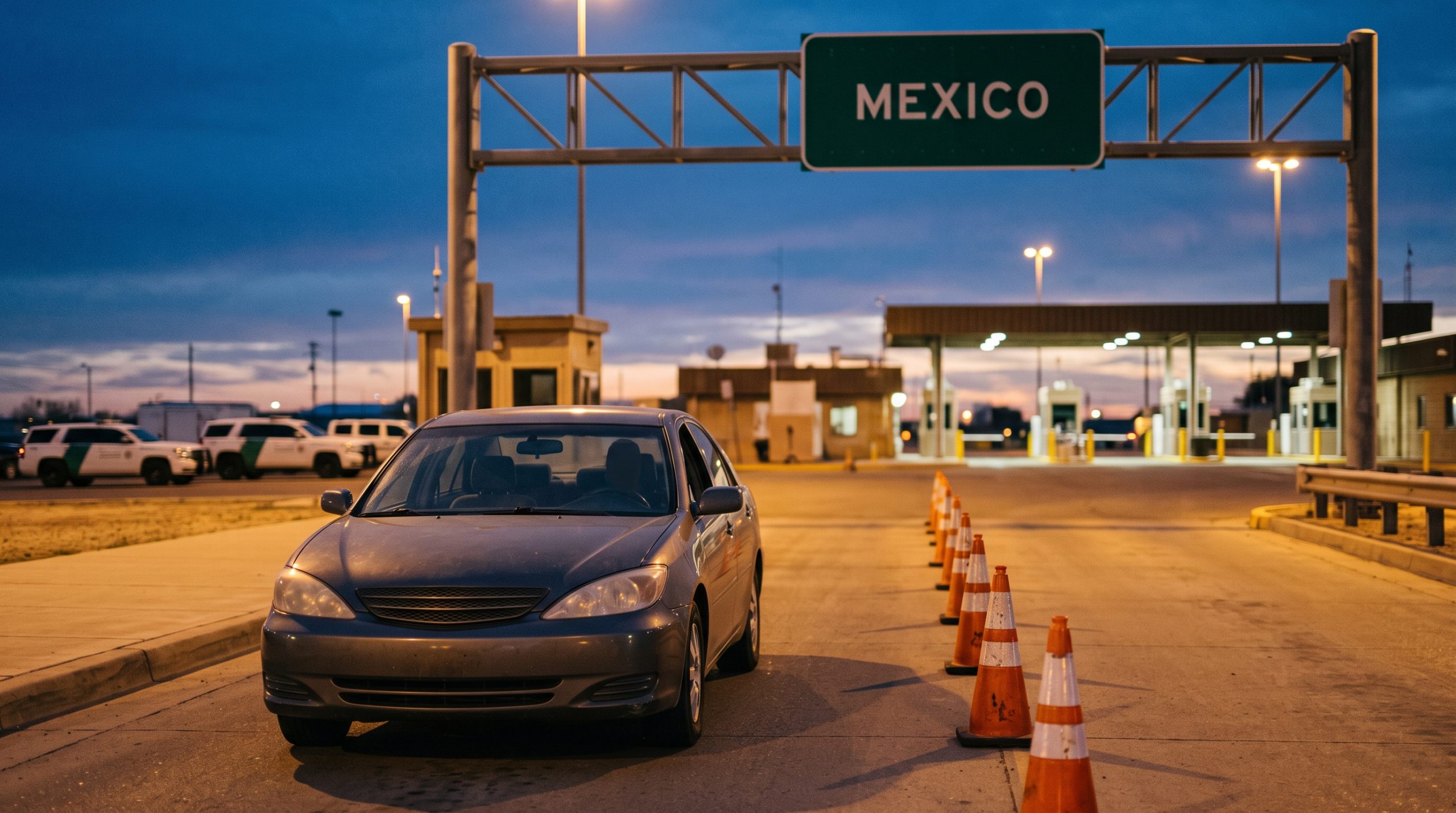
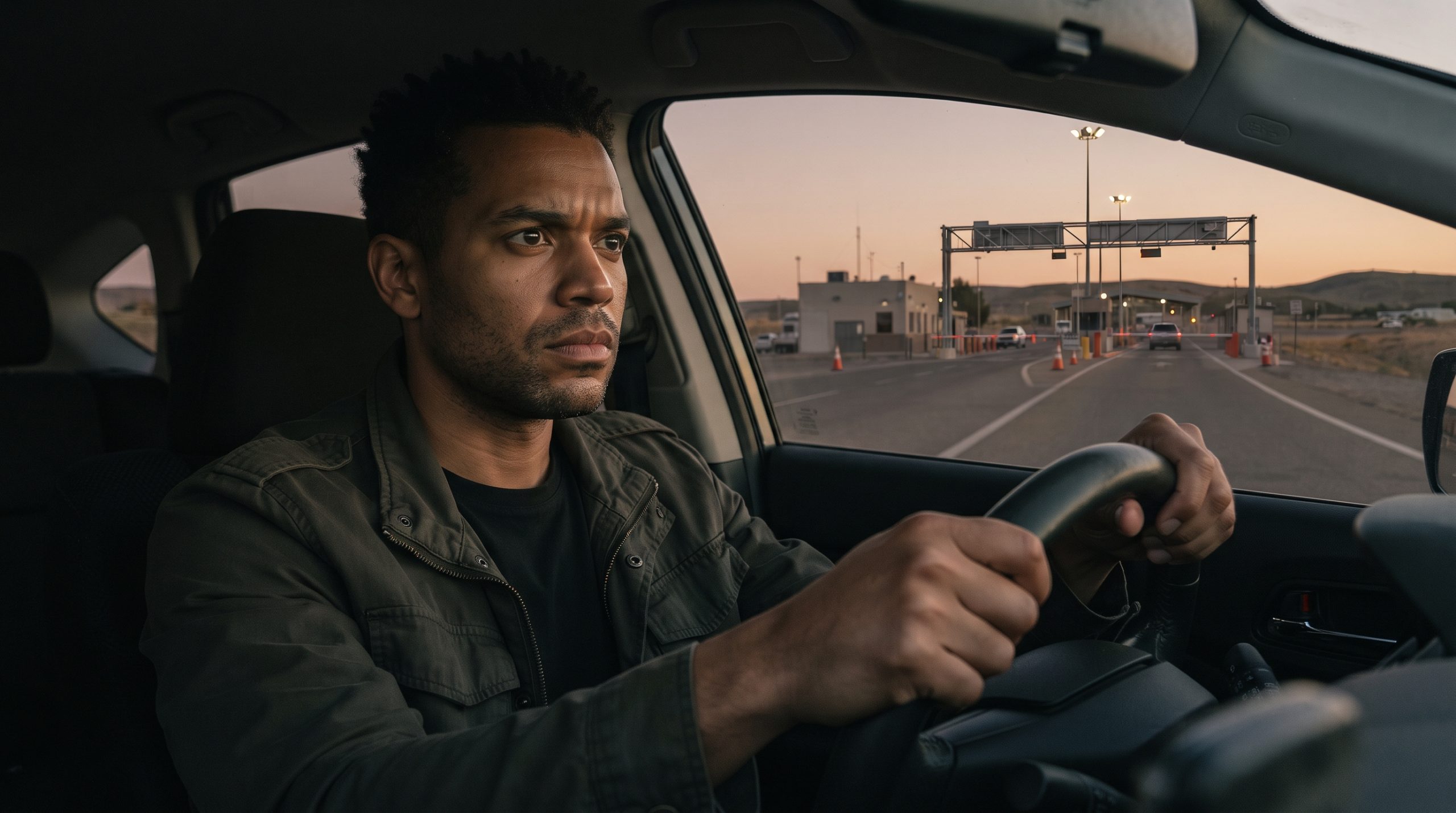
Trevor Whitlock’s auto policy rode along without a hitch through four states and across the border into Ontario, Canada, exactly as his declarations page promised it would. Three weeks later, approaching the border crossing into Tijuana, Mexico, that same policy stopped applying the instant his tires crossed the international line, and nothing in his paperwork had ever flagged the difference.
Where Your Policy Actually Applies
Every standard personal auto policy, built on the Insurance Services Office’s (ISO) PP 00 01 form, defines exactly where it works before it ever gets to what it covers. The form itself states the relevant clause plainly: “The policy territory is: 1. The United States of America, its territories or possessions; 2. Puerto Rico; or 3. Canada. This policy also applies to loss to, or accidents involving, ‘your covered auto’ while being transported between their ports.”
That is a definition, not a list of exclusions, and the difference matters. An exclusion typically reads like a warning: a bolded heading, a clear statement of what will not be paid. A territory definition reads like paperwork, a routine clause near the front of the policy that most drivers skim past on the way to the coverage limits they actually care about. Nothing about it announces that the protection a driver has relied on for thousands of miles simply stops working at a specific line on a map.
From an insurer’s own standpoint, the territory clause isn’t restrictive language at all. It’s simply a description of what the company agreed to insure when it wrote the policy in the first place, no different in spirit from stating the vehicle’s make and year. That framing makes sense on the page. It leaves a driver with nothing to actually notice, no red flag, no dollar figure, no bolded warning, until the exact moment coverage stops.
Why Canada Is Fine and Mexico Is Not
Canada genuinely is covered, without any endorsement, day limit, or asterisk. It is written directly into the same territory clause quoted above. A driver heading north across the border into Ontario, British Columbia, or anywhere else in Canada carries the exact same liability, collision, and comprehensive coverage they had at home.
Mexico works entirely differently, and the reason is not about what the US policy says. It is about what Mexican law requires. A real ISO endorsement form, “Limited Mexico Coverage,” makes the limitation explicit in its own warning language: “AUTO ACCIDENTS IN MEXICO ARE SUBJECT TO THE LAWS OF MEXICO, NOT THE LAWS OF THE UNITED STATES. UNDER MEXICAN LAW, AUTO ACCIDENTS ARE CONSIDERED A CRIMINAL OFFENSE AS WELL AS A CIVIL MATTER. THE COVERAGE WE PROVIDE YOU BY THIS ENDORSEMENT DOES NOT MEET MEXICAN AUTO INSURANCE REQUIREMENTS. YOU ARE REQUIRED TO PURCHASE LIABILITY INSURANCE THROUGH A LICENSED MEXICAN INSURANCE COMPANY FOR THIS ENDORSEMENT TO APPLY.” The U.S. Embassy in Mexico tells travelers the same thing in plain language: “Get Mexican auto insurance. Your U.S. insurance is not sufficient and you must have a separate policy.”
The consequences of skipping that step are not just financial. A real, documented case from the Tijuana area illustrates the risk directly: in February 2020, NBC 7 San Diego reported that a San Diego man spent four days in a Mexican jail after a crash in the Tijuana-Ensenada area, where Mexican police said he made an illegal turn and was broadsided by a taxi passenger van, injuring several passengers. Baylor University’s own risk management office warns travelers even more bluntly, noting that without Mexican liability insurance, a driver “may be prevented from departing the country even if you require life-saving medical care,” and is “almost certain to spend some time in jail until all parties are satisfied that responsibility has been assigned and adequate financial satisfaction received.”
Know What a Mexico Endorsement Actually Covers, and What It Does Not
Some US carriers sell an endorsement meant to soften this gap, but it is far narrower than most drivers assume. According to a comparison compiled by Baja Bound, a licensed Mexican-insurance retailer, coverage typically extends only a short distance past the border, some carriers cap it at a limited number of days while others don’t, and it activates only if the driver already carries a separate Mexican-admitted policy.
| US carrier | Mexico endorsement extent (per carrier’s own terms) |
|---|---|
| Geico | No extension; recommends purchasing separate Mexican insurance |
| The Hartford | 25 miles past the border |
| Nationwide | 25 miles past the border, no stated day limit |
| Kemper | 25 miles past the border, trips of 10 days or less, California policies only |
| Progressive | 25 miles past the border, Texas policies only |
| Liberty Mutual | 25 miles (Texas and Washington) or 75 miles (other states), trips of 10 days or less; not available in Massachusetts |
| USAA | Extends some coverage, but still does not satisfy Mexican legal requirements on its own |
Even the most generous of these endorsements requires the driver to already hold a Mexican-admitted liability policy for the endorsement to activate at all. A driver heading toward Tijuana without that separate policy in hand has no valid coverage the moment they cross, endorsement or not, whether that’s liability limits split across bodily injury and property damage or medical payments coverage for the driver’s own injuries.
What It Costs to Do This Right
The gap is not expensive to close. MexPro’s own published rate table shows a driver insuring a mid-value sedan for a two-week trip pays roughly $9 a day for liability-only coverage, about $128 total. A shorter, three-day trip runs closer to $16.50 a day for the same liability-only coverage. Liability limits from Mexican-admitted insurers are available from $100,000 up to $1 million, far more than the minimum most drivers assume they need for a short trip south.
Against that $128 two-week cost sits everything on the other side of the ledger: a vehicle impounded, a driver detained pending proof of financial responsibility, and potential criminal exposure under Mexican law, all because a US policy that worked flawlessly through four states and into Canada was never designed to reach past the border it stopped at. The same territory gap applies to a rental car driven south of the border, where a renter’s personal auto policy or the rental company’s own coverage is just as unlikely to satisfy Mexican law.
Frequently asked questions
Does my US car insurance cover me in Mexico?
No, not under a standard policy. The ISO Personal Auto Policy defines “policy territory” as the United States, its territories or possessions, Puerto Rico, or Canada. Mexico is not included, and Mexican law requires liability coverage from a Mexican-admitted insurance company regardless of what a US policy provides.
Does my auto insurance cover driving in Canada?
Yes. Canada is explicitly listed in the standard policy territory definition alongside the United States and Puerto Rico, with no separate endorsement, mileage limit, or day limit required. A US policy applies in Canada the same way it applies at home.
What happens if I get in an accident in Mexico without Mexican insurance?
Mexican authorities can detain a driver and impound a vehicle pending proof of financial responsibility, and auto accidents in Mexico can carry criminal as well as civil exposure. A US insurance policy, even a comprehensive one, does not satisfy Mexican law and offers no protection against these consequences.
How much does Mexican tourist auto insurance cost?
Pricing varies by trip length and vehicle value, but liability-only coverage from a Mexican-admitted insurer typically runs roughly $9 to $16.50 a day, cheaper per day on longer trips. Liability limits are commonly available from $100,000 up to $1 million.
Does a Mexico coverage endorsement from my US insurer satisfy Mexican law?
Not on its own. Most US carrier endorsements only extend limited coverage a short distance past the border for a short trip, and typically only activate if the driver already holds a separate Mexican-admitted liability policy. The endorsement supplements a Mexican policy; it does not replace one.
Compare auto insurance options before your next cross-border trip
See auto insurance options and ask about coverage territory before a border crossing tests what your policy actually includes.
Compare Auto Insurance Options