9 min read · Last updated September 16, 2026
- A named non-owner policy’s core coverage is liability only. Medical Payments, Uninsured/Underinsured Motorist (UM/UIM) coverage, and physical damage coverage for the vehicle you’re driving are all separately scheduled and separately priced elections, not automatic inclusions.
- Named non-owner coverage is nearly always excess over the vehicle owner’s own policy or a rental company’s coverage, and becomes primary only when no other insurance applies to that vehicle.
- Texas’ Department of Public Safety directs drivers who don’t own a vehicle to a Non-Owner SR-22 Insurance policy, because an SR-22 (the certificate of financial responsibility a state can require after a serious violation) has to attach to a policy in the driver’s own name.
- Under the rating rule for the standard named non-owner endorsement, liability coverage for one individual prices at 20% of what a full owned-car policy would cost, or 25% with resident relatives added, with Medical Payments and physical damage rated separately on top of that.
A named non-owner policy is a liability-only auto policy written for a person who does not own a car but regularly drives borrowed, rented, or car-share vehicles. It fills two specific gaps: it gives that person their own liability coverage independent of any one vehicle, and it’s the standard way an insurer can file an SR-22 for someone with no owned car to attach the filing to.
In this article
- What a named non-owner policy actually covers
- Why it usually pays second, not first
- The SR-22 problem it was actually built to solve
- When it beats just getting added to someone else’s policy
- Frequently asked questions
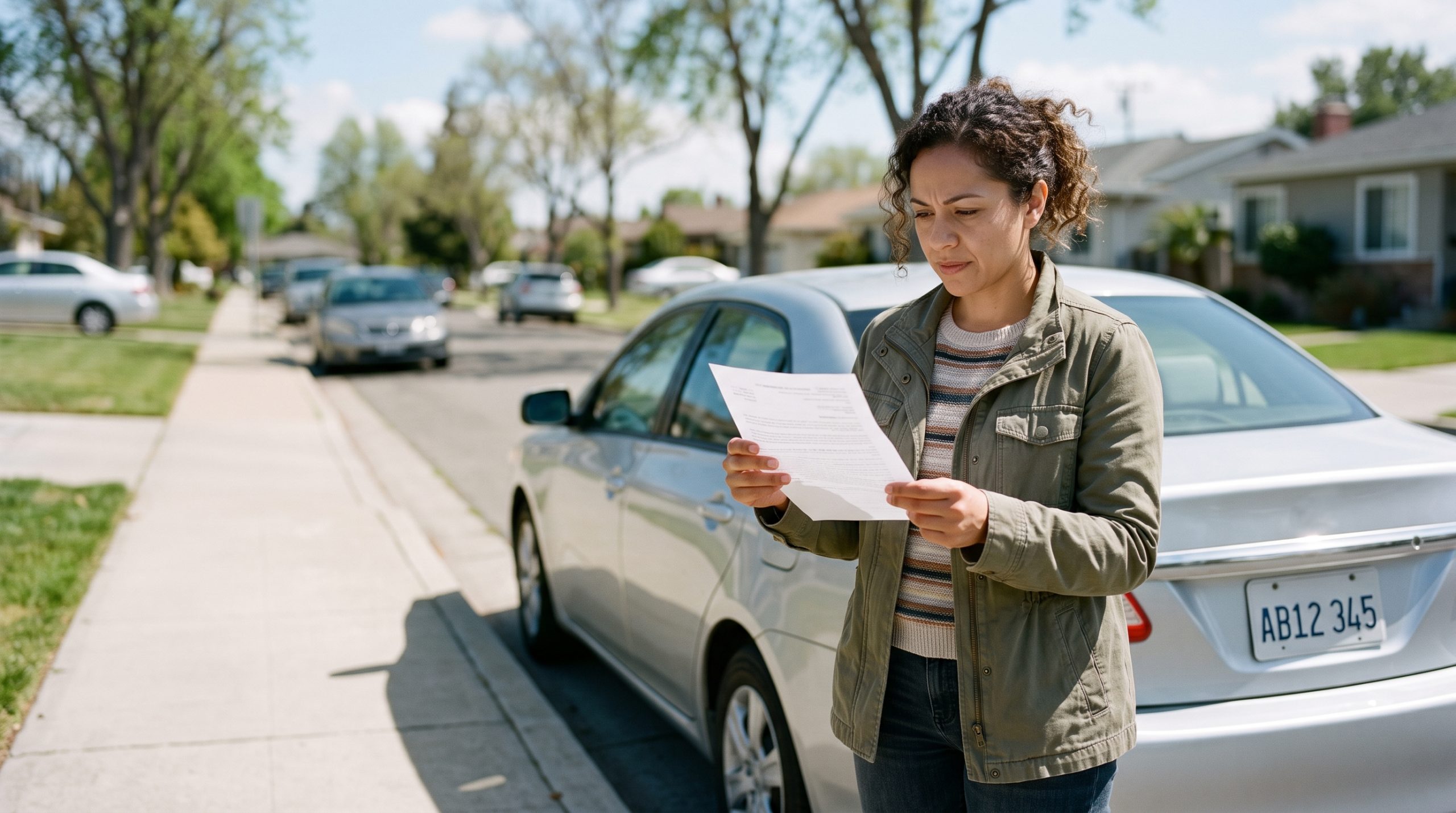
Denise Marchetti sold her 2015 Honda Civic for $6,400 in April 2026 to help cover the cost of a move across town, and told herself rideshares and her brother Wesley’s pickup truck would carry her until she saved up for another car. For the next five months, she borrowed Wesley’s truck three or four days a week to get to work. In September, a state trooper pulled her over for a broken taillight and asked for proof of insurance. Denise had nothing to hand over. Her own auto policy, and the SR-22 filing tied to it from a reckless-driving conviction two years earlier, had lapsed the day she sold the Civic, because there was no policy left in her name for the state to attach the filing to.
What a named non-owner policy actually covers
A named non-owner policy is usually written as its own personal auto policy or as an endorsement added to one, and it centers on liability: it pays for bodily injury or property damage you cause to someone else while driving a vehicle you don’t own, up to the limits you bought. It does not insure any specific car, because there isn’t one on the policy to insure.
That structure is why the coverage looks different from a normal auto policy. According to a Property Casualty 360 analysis of the named non-owner endorsement filed by the Insurance Services Office (ISO), form PP 03 22, the endorsement lets an insurer schedule several coverages, and each one is elected and priced on its own: Liability, Medical Payments, Uninsured/Underinsured Motorist (UM/UIM), and, since a 2018 revision to the form, Collision and Other Than Collision. Nothing beyond the base liability grant is bundled in automatically. Medical Payments is rated at 55% or 75% of what a full owned-car policy would charge for it, and Collision and Other Than Collision, the coverages that would pay to fix the car you were driving, cap out at $20,000, $40,000, $60,000, or $80,000 depending on what you select. If you skip physical damage coverage, and most named non-owner buyers do, a crash in a borrowed or rented car still leaves the repair bill on the vehicle’s own insurance or on you directly.
Why it usually pays second, not first
The other detail that surprises people is where a named non-owner policy sits in line. The same Property Casualty 360 analysis states plainly that named non-owner coverage is “excess over other like insurance,” meaning it sits behind whatever policy already applies to the car you’re driving, whether that’s the owner’s personal auto policy or a rental company’s coverage. Your named non-owner policy only starts paying once that primary coverage’s limits run out. The one exception: if the vehicle you’re driving genuinely has no other insurance behind it at all, your named non-owner coverage becomes the primary payer instead.
That excess placement matters for someone like Denise, too. If Wesley’s truck already carries adequate liability limits and Denise causes a crash while driving it, his policy pays first. Her own coverage, once she has it, would only come into play if the claim against her exceeded what Wesley’s policy pays out, or if his coverage didn’t apply to her use of the truck at all.
The SR-22 problem it was actually built to solve
An SR-22, the Financial Responsibility Insurance Certificate that a state can require after a license suspension, a second conviction for driving without insurance, or a civil judgment, is not itself an insurance policy. It’s a form an insurer files with the state confirming that a specific policy, in a specific person’s name, meets the state’s minimum liability requirements. Texas’ Department of Public Safety spells out what happens when the driver doesn’t own a car: “If you do not own a vehicle, you should ask an insurance provider about a Texas Non-Owner SR-22 Insurance policy.” A few states, including Florida and Virginia, require a similar filing under a different name, an FR-44, which works the same way as an SR-22 by certifying that a specific policy in the driver’s own name meets the state’s minimum requirements, and the same non-owner fix applies there too.

This is exactly where Denise’s coverage broke down. Being a permitted driver on Wesley’s policy never put anything in her own name, so there was no policy of hers for the SR-22 to attach to once she sold the Civic. A named non-owner policy solves that directly: it’s a real policy naming Denise as the insured, and her insurer can file the SR-22 against it the same way it would against a policy tied to an owned car.
When it beats just getting added to someone else’s policy
Getting added as a listed driver on someone else’s auto policy is often the simplest fix when there’s one car and a cooperative owner. It’s also the fix DIN has already covered for the furnished-for-regular-use exclusion, the clause that can strip liability, Medical Payments, and UM/UIM coverage entirely once someone has routine, unrestricted access to a car they don’t own. Being listed on the owner’s policy sidesteps that exclusion instead of hoping it never gets triggered.
A named non-owner policy earns its place when that option isn’t available. It fits someone who sold their car and doesn’t own another one at all, someone who drives several different people’s vehicles rather than one, someone who relies on rental cars or car-share trips without owning anything, or someone who needs proof of insurance in their own name regardless of whose car they’re behind the wheel of that week. It also matters for the driver who’s merely an occasional borrower. DIN’s coverage of the permissive-use step-down clause shows that even someone who borrows a car once can see the owner’s liability limits collapse to the state minimum, and a named non-owner policy is the one piece of coverage that travels with the driver instead of the car. The same logic covers frequent renters and car-share users, the exact gap DIN’s rental car coverage guide walks through for people who assume a credit card or the rental counter’s own policy has them fully covered.
| Factor | Named non-owner policy | Added as listed driver on owner’s policy | No coverage of your own |
|---|---|---|---|
| Who it protects | You, no matter whose car you’re driving | You, only while driving that one owner’s car | Nobody, unless the owner’s policy happens to apply |
| What it covers | Liability, plus Medical Payments and UM/UIM built into the endorsement; physical damage only if added | Whatever the owner’s policy already provides, at their chosen limits | Nothing you control |
| When it pays | Usually excess over other insurance; primary if none exists | Primary, since it’s the car’s own policy | Not applicable |
| SR-22/FR-44 eligible | Yes, filed against your own policy | No, the filing needs a policy in your name | No |
| Cost basis | Rated at roughly 20% of an owned-car premium for one person, 25% with relatives added | Owner’s existing premium, possibly adjusted for an added driver | None, but no protection either |
| Best for | No car of your own, multiple vehicles, rentals/car-share, or an SR-22 need | One car, one cooperative owner, regular use of that specific vehicle | Nobody. This column is the risk, not an option |
Insurers still price named non-owner coverage as a discount product, not a full policy. The rating rule behind the standard endorsement charges 20% of what liability coverage would cost if the named individual owned and insured a car themselves, or 25% if resident relatives are added to the policy, according to the same Property Casualty 360 analysis of the ISO form. Actual dollar premiums still vary by insurer, state, and driving record, so that percentage explains why the policy is cheaper, not what any specific person will pay.
Frequently asked questions
Does a named non-owner policy pay to fix the car I’m driving if I cause an accident? No. A named non-owner policy provides liability coverage only, meaning it pays for injuries or property damage you cause to others. It does not pay to repair or replace the vehicle you were driving, whether it’s borrowed, rented, or shared, unless you add optional collision and other-than-collision coverage to the policy’s schedule.
Can I get an SR-22 filed if I don’t own a car? Yes. If you need an SR-22, the certificate some states require after a serious violation, an insurer can file it against a named non-owner policy instead of a policy tied to a specific vehicle. Being a permissive driver on someone else’s policy will not satisfy this requirement, since the filing has to attach to a policy in your own name.
Does a named non-owner policy pay before or after the vehicle owner’s insurance? After, in most cases. Named non-owner coverage is typically excess over the vehicle owner’s own policy or a rental company’s coverage, meaning it only pays once the primary coverage’s limits are used up. If the vehicle you’re driving has no other insurance behind it at all, your named non-owner policy becomes the primary coverage instead.
Should I get a named non-owner policy or just ask to be added to the owner’s policy? If you regularly drive one specific person’s car and they’re willing to add you, being listed on their policy is often simpler and closes the furnished-for-regular-use gap directly. A named non-owner policy makes more sense when you don’t own a car at all, drive several different people’s vehicles, rely on rentals or car-share trips, or need coverage independent of any one owner.
Is a named non-owner policy cheaper than a regular car insurance policy? Usually, because no vehicle is being rated. Under the rating rule for the standard named non-owner endorsement, liability coverage for the named individual alone prices at a fraction of what a full policy on an owned car would cost, with a higher percentage if resident relatives are added. Actual rates still vary by insurer and state.
Denise’s trooper let her go with a warning and 30 days to fix her insurance. She bought a named non-owner policy that week, her insurer filed a fresh SR-22 against it, and she kept borrowing Wesley’s truck the same way she had before, only now with liability coverage that belongs to her instead of to him.
Don’t Own a Car but Keep Driving Someone Else’s?
See what a named non-owner auto policy actually costs before your next SR-22 filing lapses or a borrowed-car claim lands on you personally.
Compare Auto Insurance Options