5 min read · Last updated July 8, 2026
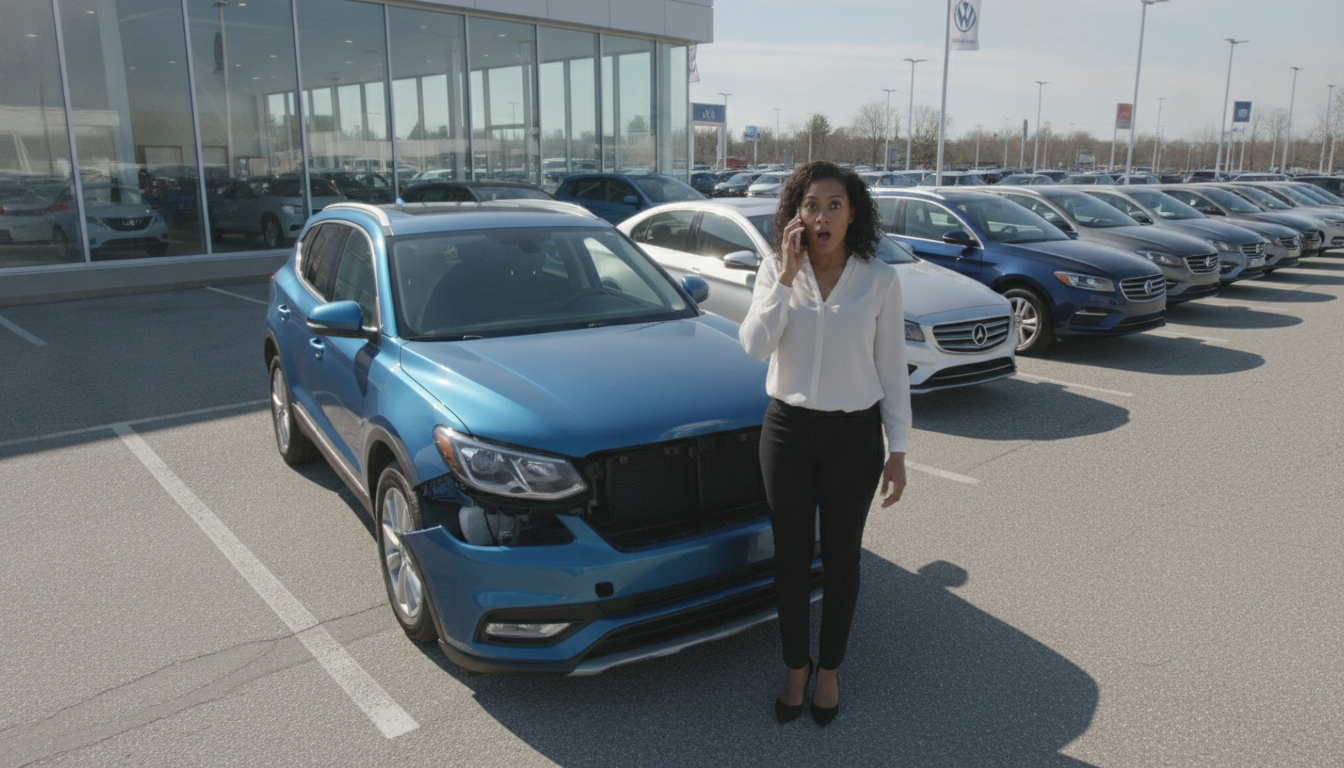
Priya Chen paid $34,000 cash for a new SUV in the fall. Eight months later she hydroplaned into a highway guardrail during a storm. No other car was involved, so her own collision coverage handled it. The adjuster declared the SUV a total loss and cut a check for $27,600. A comparable new model on the lot that week was still $34,000. She was $6,400 short on a vehicle she had owned for less than a year, and she had never missed a payment because there was no loan to miss.
Priya assumed “totaled” meant the insurer would buy her a replacement. It does not. It means they pay the car’s actual cash value, and that value had already dropped the moment she drove off the lot.
How total-loss payouts really work
When a car is declared a total loss, the standard payout is actual cash value, or ACV. That is the vehicle’s market value in its condition immediately before the crash, with depreciation already subtracted. A new car can lose a meaningful share of its value in the first year alone, and Priya’s had shed roughly 19% between purchase and the storm.
The total-loss threshold determines when the insurer writes the car off rather than repairing it, but once that line is crossed, ACV is what you get. The check reflects what your specific car was worth that day, not what it costs to walk back onto a lot and buy the same thing new. On a brand-new vehicle, that gap between depreciated value and replacement cost is at its widest, which is exactly when owners are least prepared for it.
What new car replacement coverage changes
New car replacement coverage rewrites that math. Instead of paying ACV, the insurer pays to replace your totaled car with a brand-new vehicle of the same make and model, or the closest current equivalent. Depreciation is taken out of the equation. Priya’s payout under this coverage would have been the cost of a new SUV, not the $27,600 her old one was worth.
The coverage comes with limits, and they are the reason it is affordable. It generally applies only during a vehicle’s first one to two model years, subject to a mileage cap that is often somewhere around 15,000 to 24,000 miles depending on the insurer. Many carriers also require you to be the original owner and to carry both collision and comprehensive. Once the car ages out of the window, the coverage drops off and you are back to ACV.
A related option some insurers sell is “better car replacement,” which pays for a vehicle one model year newer and with lower mileage than the one you lost, rather than an exact new equivalent. It is a middle tier between plain ACV and full new car replacement.
Why gap insurance would not have saved her
This is the trap that catches cash buyers. Gap insurance is built for a different problem, and the Insurance Information Institute describes it as covering the difference between what you still owe a lender and the ACV the insurer pays. If you owe $30,000 and the car is worth $27,600, gap covers the $2,400 shortfall so you are not paying a loan on a car you no longer have.
Priya had no loan. She owned the SUV outright. Gap insurance would have had nothing to cover, because there was no financing deficiency. Her loss was pure depreciation, and only new car replacement coverage addresses that. A financed buyer can face both gaps at once – the loan shortfall and the depreciation shortfall – which is why the two coverages are not interchangeable. Understanding what makes up an auto insurance policy is the difference between assuming you are covered and knowing which specific coverage does the job.
Who should carry it
New car replacement coverage earns its premium for anyone driving a vehicle in its first year or two, especially buyers who paid cash or made a large down payment and want to protect the full value of a recent purchase. If you drive an older car, it is not available and not worth asking about. If you just bought new, price it before you assume your standard collision coverage will make you whole. The same depreciation logic drives a diminished value claim after a repair, another place where a car’s market value, not its sticker price, controls what you recover.

Frequently asked questions
What is new car replacement coverage?
It is an optional auto coverage that pays to replace a totaled vehicle with a brand-new one of the same make and model, instead of paying the depreciated actual cash value. It removes depreciation from the payout during the car’s first years.
Is new car replacement the same as gap insurance?
No. Gap insurance covers the difference between your loan or lease balance and the car’s actual cash value. New car replacement covers the difference between actual cash value and the cost of a new vehicle. A cash buyer gets no benefit from gap but can benefit from new car replacement.
How long does new car replacement coverage last?
It typically applies only during the vehicle’s first one to two model years and under a mileage cap, often around 15,000 to 24,000 miles. Once the car passes those limits, the coverage no longer applies and payouts revert to actual cash value.
Do I need new car replacement if I paid cash for my car?
If the car is new, yes, this is often the only coverage that protects you from depreciation, since gap insurance only helps borrowers. A cash buyer with a recent purchase faces the full depreciation gap with nothing else to cover it.
Does new car replacement cover a used car I bought new to me?
Usually no. Most insurers require the vehicle to be new at purchase and often that you are the original owner. A used car, even one that is new to you, generally does not qualify.
Just bought a new car? Make sure a total loss won’t cost you thousands in depreciation.
Compare auto insurance quotes that offer new car replacement coverage before you settle for a standard collision policy.
Compare Auto Insurance Quotes