6 min read · Last updated July 02, 2026
In this article
- Why a new windshield is only half the repair
- What recalibration costs, and what happens if you skip it
- When your insurance covers recalibration
- FAQ
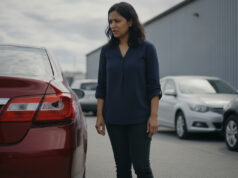
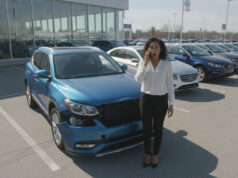
A driver with a two-year-old SUV took a rock chip on the highway and did the responsible thing. She got the windshield replaced fast, paid $320 out of pocket to avoid filing a claim, and drove off. What the quick cash job left out was a recalibration of the camera mounted behind the glass. Weeks later her lane-keeping assist began tugging the wheel toward the shoulder on a curve. The camera was aimed a few degrees off, and it had been guessing wrong the entire time. The recalibration she skipped would have cost about $400. The crash it could have caused would have cost far more.
Modern windshields are no longer just glass. On most cars built in the last several years, the windshield is a mounting surface for the sensors that keep you in your lane and stop the car before you hit something. Replace the glass and you move the camera. Move the camera and it has to be re-aimed. Skip that step and the safety systems are working from bad information.
Why a new windshield is only half the repair
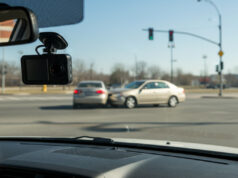
Advanced driver assistance systems, or ADAS, are the features that watch the road for you: lane departure warning, lane-keeping assist, automatic emergency braking, and adaptive cruise control. On most vehicles, the camera that feeds these systems sits at the top center of the windshield, behind the mirror.
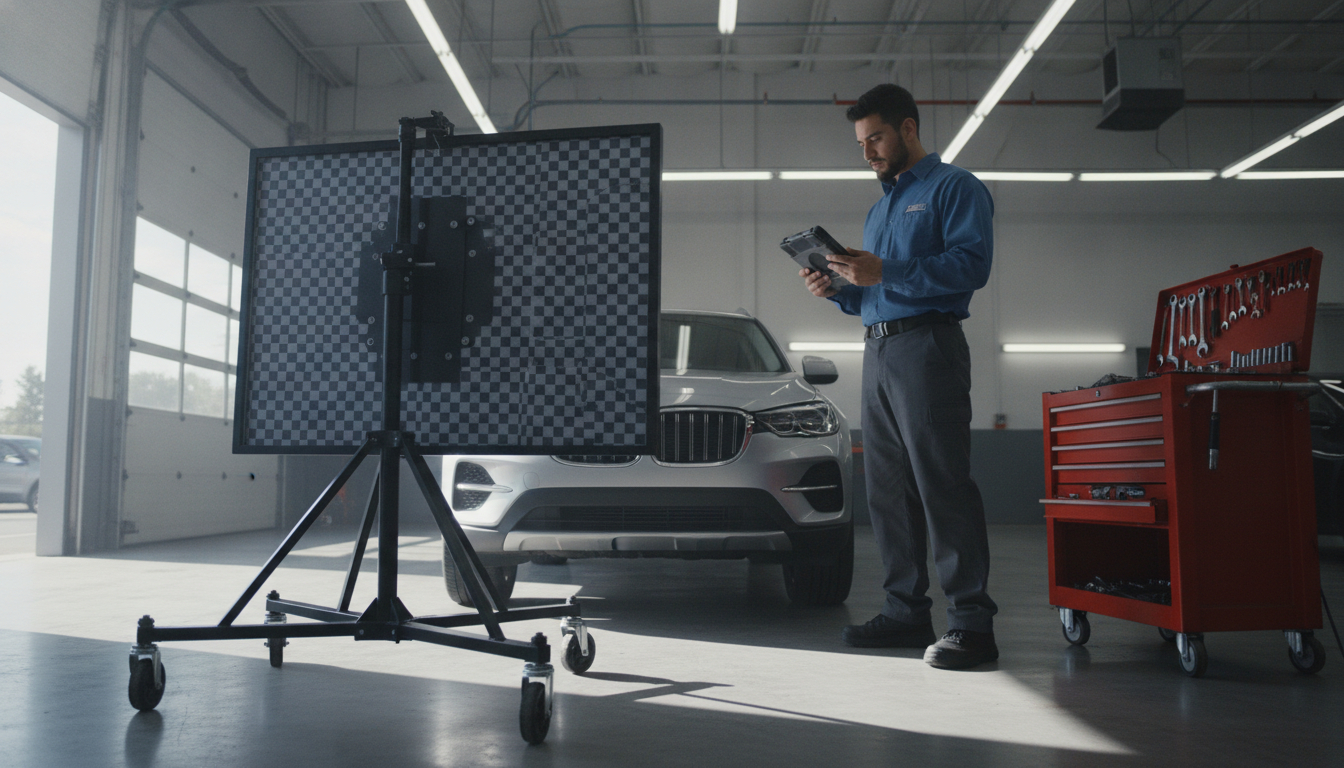
When a shop removes the old windshield and installs a new one, the camera’s position and angle shift, even by a fraction. That is enough to throw off its aim. The fix is recalibration, a process that resets the camera so it reads the road correctly. There are two kinds. Static calibration uses a printed target board set up in front of the car in a controlled space. Dynamic calibration requires driving the car at set speeds while the system relearns. Some vehicles need both.
What recalibration costs, and what happens if you skip it
Recalibration is not free and it is not trivial. Depending on the make, model, and whether static, dynamic, or both are required, it commonly runs $150 to $600, and it can go higher on some luxury and newer models. That is on top of the glass itself.
Skipping it does not throw a warning light you can rely on. The camera still works. It just works wrong. It may place your car a foot off from where it actually sits in the lane, or misread how close the vehicle ahead is. The systems designed to catch your mistakes now make their own. That is why the industry treats recalibration as part of the repair, not an upsell. If a shop offers to “save you money” by leaving it out, they are handing you a hidden defect.
When your insurance covers recalibration
Windshield replacement falls under comprehensive coverage, the part of your auto policy that pays for damage not caused by a collision, such as rock chips, hail, theft, and glass. It is separate from collision coverage. If you carry comprehensive and file a glass claim, a proper repair includes recalibration, and a legitimate claim should cover it, subject to your deductible.
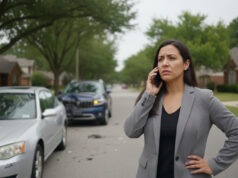
A “deductible” is the amount you pay before insurance pays the rest. This is where drivers trip. Comprehensive deductibles are often $250 to $500. When the whole job, glass plus recalibration, is close to the deductible, people pay cash to avoid the claim, then cut the recalibration to save money. That is the exact corner the SUV driver cut.
A few states change this math. Florida, Kentucky, and South Carolina require insurers to waive the deductible on windshield repair or replacement, and some policies elsewhere offer add-on full glass coverage with no deductible. If you live in a zero-deductible state or carry full glass coverage, there is no reason to skip a claim, and no reason to skip the recalibration. Confirm with your insurer that the recalibration is billed as part of the glass claim, in writing.
For how comprehensive fits the rest of your policy, see our guides on what makes up an auto insurance policy, the different types of auto insurance coverage, and how insurers handle aftermarket parts on a collision payout.
Make sure your comprehensive coverage pays for glass and recalibration
Compare auto insurance options and check your glass deductible before your next rock chip.
Compare auto insurance coverageFrequently asked questions
Does my car insurance cover windshield recalibration? If you carry comprehensive coverage and file a glass claim, a proper repair includes recalibration, and the claim should cover it subject to your deductible. Confirm with your insurer that the recalibration is billed as part of the same glass claim.
How much does ADAS recalibration cost after a windshield replacement? It commonly runs $150 to $600 and can be higher on some models, depending on whether the car needs static calibration, dynamic calibration, or both. That is on top of the cost of the glass.
Do I need recalibration if my windshield was just replaced? If your vehicle has lane-keeping assist, automatic emergency braking, or adaptive cruise control, yes. The camera that runs those systems sits behind the windshield and must be re-aimed after the glass is changed.
Can I skip recalibration to save money? You should not. The camera will still operate, but it can misjudge your lane position and following distance. That turns your safety systems into a hazard, which is a far bigger risk than the recalibration fee.
Is windshield glass covered under comprehensive or collision? Glass damage from rock chips, hail, or road debris falls under comprehensive coverage, not collision. Florida, Kentucky, and South Carolina require insurers to waive the deductible on windshield claims.
A windshield replacement on a modern car is a safety repair, not a cosmetic one. If your glass was changed and no one mentioned recalibration, call the shop and ask whether the camera was re-aimed. The systems built to protect you only work when they are pointed at the right part of the road.