6 min read · Last updated July 7, 2026
In this article
- The morning the car was gone
- Which coverage actually pays for theft
- What comprehensive pays, and what it does not
- The belongings gap most drivers miss
- If the car is recovered later
- FAQ
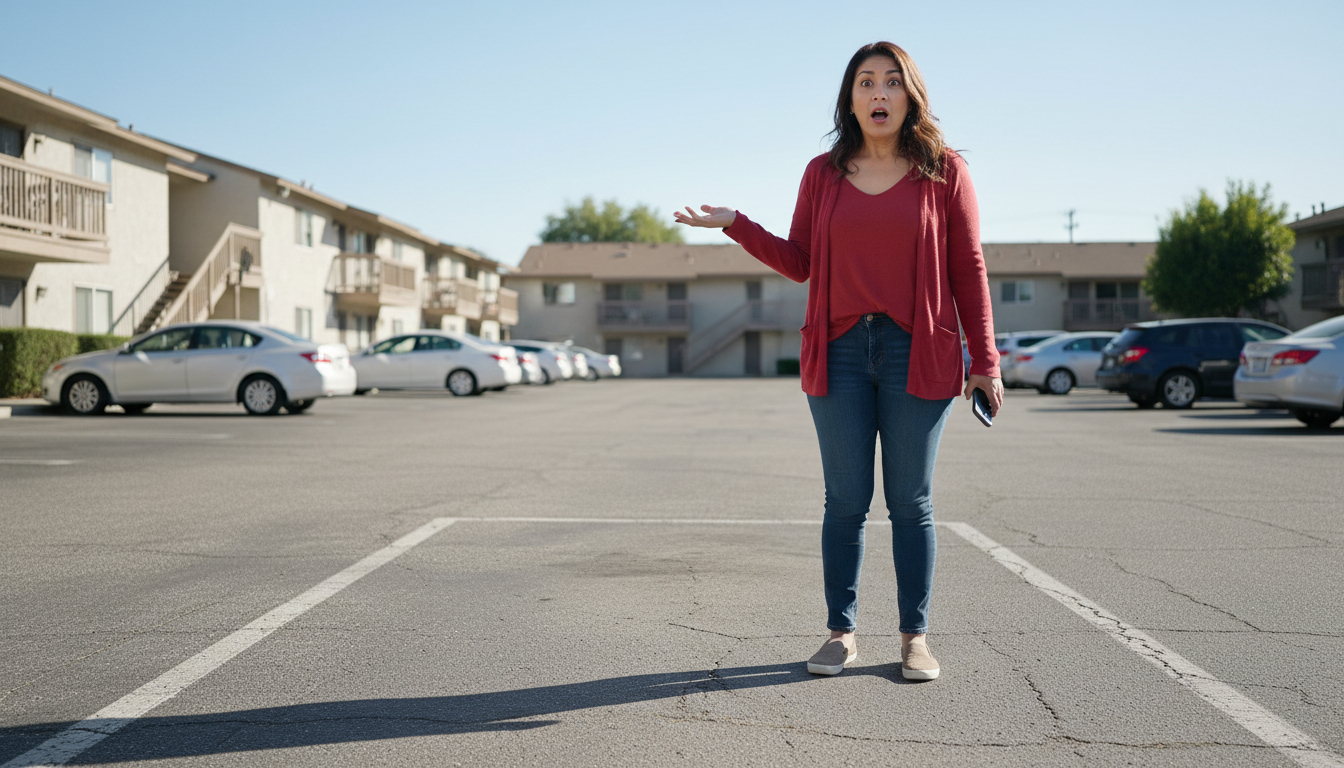
Adalyn Kwan parked her 2022 SUV in her Phoenix apartment lot on a Tuesday night. By morning it was gone. She filed a police report, then called her insurer expecting a simple replacement. Two surprises followed. First, her insurer valued the SUV at $24,000, the actual cash value, even though she still owed $27,500 on the loan. Second, none of the items inside were covered by her car insurance: a work laptop, a set of tools, and her daughter’s car seat and stroller, worth about $4,500 together. The car was covered. Everything that made the loss hurt was not.
Her timing was ordinary. About 660,000 vehicles were reported stolen across the country in 2025, and July is Vehicle Theft Prevention Month for a reason: warm months see some of the highest theft rates of the year.
The morning the car was gone
The first thing Adalyn got right was the police report. A theft claim on an auto policy almost always requires one, and the insurer will ask for the report number before it does anything else. File it the same day, and keep the number.
The second thing she assumed, and got wrong, was that any full-coverage policy would simply cover a stolen car. That word, “full coverage,” is where drivers get tripped up. It has no legal definition. It usually means liability plus collision plus comprehensive, but plenty of people carry liability and collision only and believe they are fully protected. If that is you, a stolen car is not covered. Before you assume you are covered, pull up your declarations page and look for the word comprehensive.
Which coverage actually pays for theft
Auto insurance is built from separate parts, and only one of them responds to theft. Here is the plain-English breakdown.
Liability coverage pays for damage you cause to other people and their property. It does nothing for your own stolen car. Collision coverage pays when you hit something or roll the vehicle. It also does nothing for theft. Comprehensive coverage, sometimes labeled “other than collision,” is the part that pays when your car is stolen, vandalized, burned, flooded, or hit by a falling tree.
If you financed or leased the vehicle, the lender almost certainly requires comprehensive, so most people with a car loan have it. Owners of paid-off cars are the ones most likely to have dropped it to save money. Our full breakdown of the different types of auto insurance coverage shows how each part fits together.
What comprehensive pays, and what it does not
Comprehensive coverage pays the actual cash value of your vehicle, minus your deductible. Actual cash value means what the car was worth the moment before it was stolen, not what you paid for it and not what you still owe. Adalyn’s deductible was $500, so her payout was $24,000 minus $500, or $23,500.
That left a $4,000 gap between her payout and her $27,500 loan balance. This is exactly the hole that gap insurance is built to fill. Gap coverage pays the difference between what you owe and what the car was worth, so a theft or total loss does not leave you paying on a car you no longer have. If you owe more than your car is worth, our guide to gap insurance and a totaled car loan balance explains when it is worth carrying.
The deductible is the other detail people forget. It applies to a theft claim just as it applies to a crash. Whatever your comprehensive deductible is, that amount comes out of your payout before you see a dollar.
The belongings gap most drivers miss
Here is the part that stings the most, because it feels like it should be covered and it is not. Personal property stolen from inside your car is not covered by your auto insurance. The laptop, the tools, the car seat, the sunglasses, the gym bag: none of it falls under the auto policy.

That property is covered by a different policy entirely, your renters or homeowners insurance. Most renters and homeowners policies cover your belongings even when they are away from home, including items stolen from your car, subject to your deductible and any category limits. For Adalyn, the $4,500 of stolen items was a renters insurance claim, not an auto claim.
This is where a hand on the shoulder helps. If you keep expensive items in your vehicle and you do not carry renters or homeowners insurance, that property has no coverage anywhere. Before you decide renters coverage is not worth it, add up what rides around in your car on a normal week. Our explainer on what renters insurance covers and what it does not shows how the off-premises rule works.
If the car is recovered later
Sometimes a stolen car turns up. What happens next depends on timing and condition. If police recover the vehicle before your insurer has paid the claim, the loss is handled as a repair claim under comprehensive, and you pay your deductible on the damage. If it is recovered after the insurer has already paid you for a total loss, the car now belongs to the insurer, because you were made whole for its value.
If the car is never recovered, the claim is settled as a total theft loss at actual cash value, minus the deductible, the way Adalyn’s was. Knowing how a total loss is valued and disputed matters here. Our piece on the total loss threshold in auto insurance covers how carriers reach the number.
Adalyn replaced the SUV, filed a separate renters claim for the belongings, and added gap coverage to the new loan. The car was the easy part. The gaps around it were the expensive lesson.
FAQ
Does car insurance cover a stolen car? Yes, but only if you carry comprehensive coverage. Liability and collision do not pay for theft. Comprehensive pays the vehicle’s actual cash value minus your deductible if the car is stolen and not recovered.
Are my belongings inside the car covered when it is stolen? No. Auto insurance covers the vehicle, not personal property inside it. Items like a laptop, tools, or a car seat are covered by your renters or homeowners insurance, subject to that policy’s deductible and limits.
Will insurance pay off my car loan if the car is stolen? Comprehensive pays only the car’s actual cash value, which can be less than you owe. If your loan balance is higher, gap insurance covers the difference. Without gap coverage, you keep paying the remaining balance.
Do I have to file a police report for a stolen car claim? Almost always, yes. Insurers require a police report number to process a theft claim. File the report the same day you notice the car is gone and keep the number for your claim.
What happens if my stolen car is found after I am paid? If the insurer already paid you for a total loss, the recovered car belongs to the insurer. If it is found before payment, the claim is handled as a repair under comprehensive and you pay your deductible on the damage.
Do you actually carry comprehensive coverage?
Compare auto insurance quotes and confirm your policy covers theft before you find out the hard way.
Compare auto insurance quotes →A stolen car is two losses stacked on top of each other: the vehicle and everything you kept in it. Auto insurance handles the first only if you carry comprehensive. The second is on a policy most drivers forget they need.